Airplane Travel With Your Dog

This handout discusses preparing to travel by airplane with your dog. This includes planning your flight, ensuring you are following import regulations for your country of destination, and what to do when your arrive.
Agility for Dogs

An agility trial is a competitive canine sporting event where dogs of various breeds navigate obstacles and are judged on speed and accuracy. Agility training can be a fun activity with many benefits for you and your dog.
Anal Sac Disease in Dogs
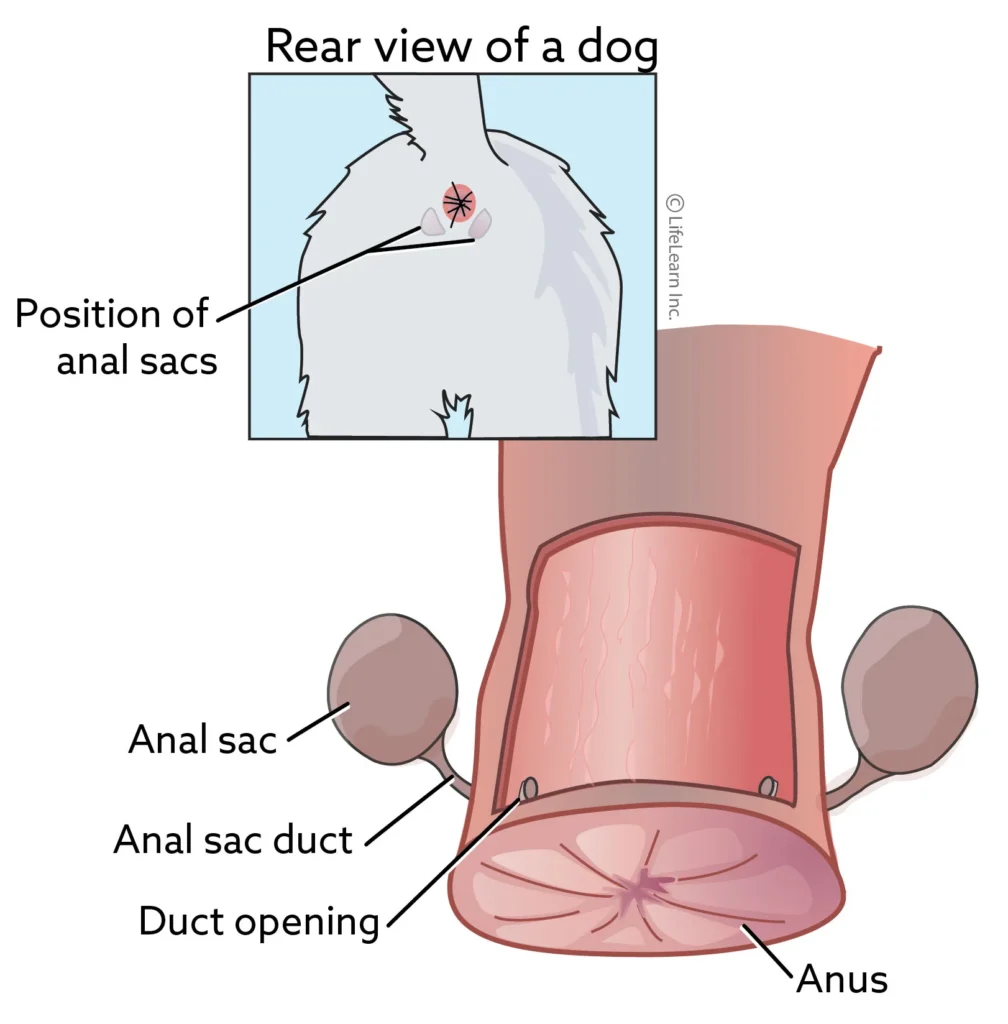
Anal sac disease is a common problem in dogs that can be very uncomfortable or painful. Signs to watch for, diagnosis, and treatments, including identifying and managing underlying causes are outlined in this handout.
Addison’s Disease in Dogs

Addison’s disease is caused by the decreased release of the hormones cortisol and aldosterone from the adrenal cortex. Most commonly caused by immune-mediated destruction, Addison’s disease can also be caused by trauma, infection, neoplasia or hyperadrenocorticism treatment. Clinical signs are non-specific and often come and go. The most definitive diagnostic test for Addison’s disease is the ACTH stimulation test.
Acute Respiratory Distress Syndrome (Shock Lung) in Dogs

Acute respiratory distress syndrome, also known as shock lung, is a life-threatening complication of critical illness in dogs, such as systemic infection or disease, severe trauma, or near-drowning. Treatment involves targeting the underlying cause while also supporting the dog’s compromised lung function with the use of an oxygen cage, an oxygen line direct to the dog’s nasal passages, or in severe cases, a mechanical ventilator. Unfortunately, the prognosis for this condition is poor.
Acute Hemorrhagic Diarrhea Syndrome in Dogs (Hemorrhagic Gastroenteritis)
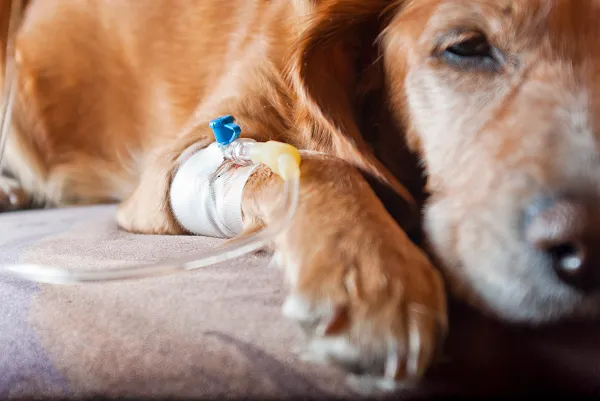
Acute hemorrhagic diarrhea syndrome, also known as hemorrhagic gastroenteritis, is an acute disorder of dogs characterized by vomiting and bloody diarrhea. There are several possible causes and contributing factors involved and diagnosis is often a process of eliminating other causes of bloody stools and gastrointestinal distress. Affected dogs will appear severely ill and, if left untreated, may die. In most cases, the disorder appears to run its course in a few days if the dog is given appropriate supportive care.
Acne in Dogs
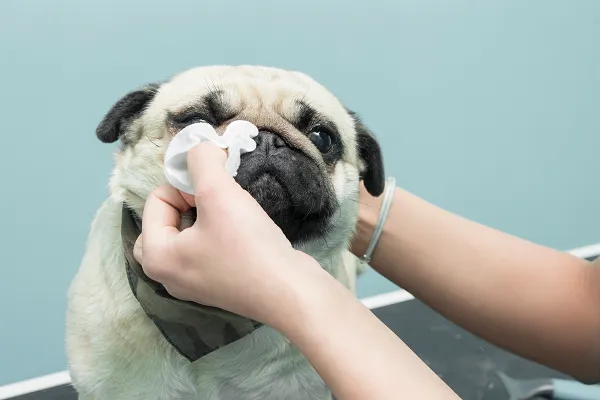
Canine acne is an inflammatory disorder of the lips and the skin of the muzzle. Dogs with mild cases of acne often have red bumps or pustules on their skin. This can, in more severe cases, lead to generalized swelling of the lips and muzzle, bleeding wounds, or scabs on the face. Commonly affected breeds include Boxers, English Bulldogs, Great Danes, German Shorthaired Pointers, and others. A variety of treatments are available and depend on the underlying cause of the acne.
Abscesses in Dogs

Abscesses are firm or compressible, often painful swellings that contain pus. They can develop in many areas of the body including around tooth roots, anal glands, under the skin, or in the liver. Abscesses are caused by the introduction of bacteria through wounds, injuries, or bloodborne in the case of an internal organ abscess. Any area of the body that becomes infected can eventually cause an abscess to form such as anal gland abscess, bite wound abscess, prostatic abscess, or brain abscess from inner ear or sinus infection. Treatment depends on severity and location and usually involves removal of the pus either through drainage or surgical removal, the use of antibiotics based on the type of bacteria and location of the abscess, and pain control medications. Monitoring after initiating treatment includes watching the site for additional drainage if the abscess was superficial or monitoring the pet for improvement of clinical signs. Delayed treatment of abscesses can lead to chronic draining tracts or worse.
Abnormal Weight Loss in Dogs

An unplanned weight loss of more than 10% of a dog’s body weight is considered abnormal. Weight loss occurs because calories absorbed from the diet are less than the calories being used by the body. This can occur due to many factors, including decreased appetite (anorexia), excessive cold or physical activity, disease states that heighten the metabolic rate, insufficient calories or poor diet, inability to ingest the diet, inability to digest and/or absorb the nutrients from the diet, and loss of nutrients from vomiting, diarrhea, or increased urination. As well as a thorough history and physical exam, your veterinarian may perform testing such as bloodwork, urinalysis, and imaging to determine the underlying cause and institute targeted treatment.
Allopurinol
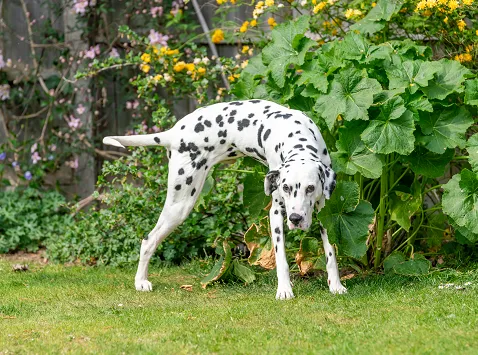
Allopurinol is an oral medication typically used to prevent uric acid and calcium oxalate stones in dogs. It is also used off-label to treat leishmaniasis and gout in dogs and other species. Side effects are uncommon but may involve stomach upset. Caution must be taken when allopurinol is used in conjunction with certain other medications. It should not be used in pets with liver or kidney dysfunction or in red-tailed hawks.