
Anisocoria in Cats
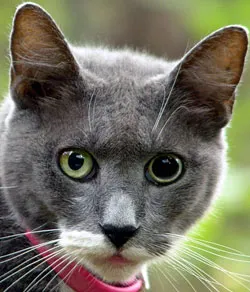
Anisocoria is a condition in which the pupils of the cat’s eyes are different sizes. Anisocoria is a symptom of an underlying condition or disease that needs to be identified and treated. Prognosis is guarded pending the diagnosis and treatment. Blindness may occur as a result of the underlying condition.
Acute Respiratory Distress Syndrome (Shock Lung) in Cats
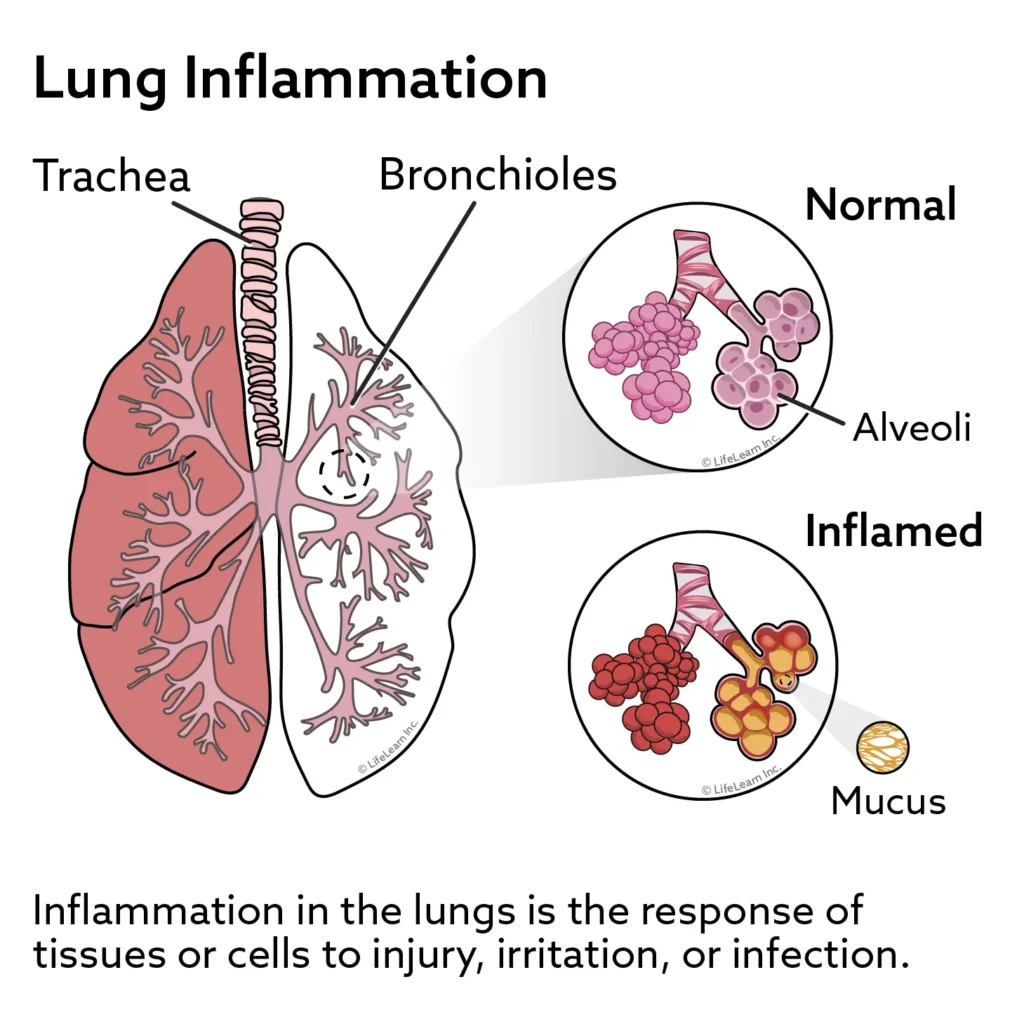
Acute respiratory distress syndrome, also known as shock lung, is a life-threatening complication of critical illness in cats, such as systemic infection or disease, severe trauma, or near-drowning. Treatment involves targeting the underlying cause while also supporting the cat’s compromised lung function with the use of an oxygen cage, an oxygen line direct to the cat’s nasal passages, or in severe cases, a mechanical ventilator. Unfortunately, the prognosis for this condition is poor.
Acute Kidney Injury in Cats
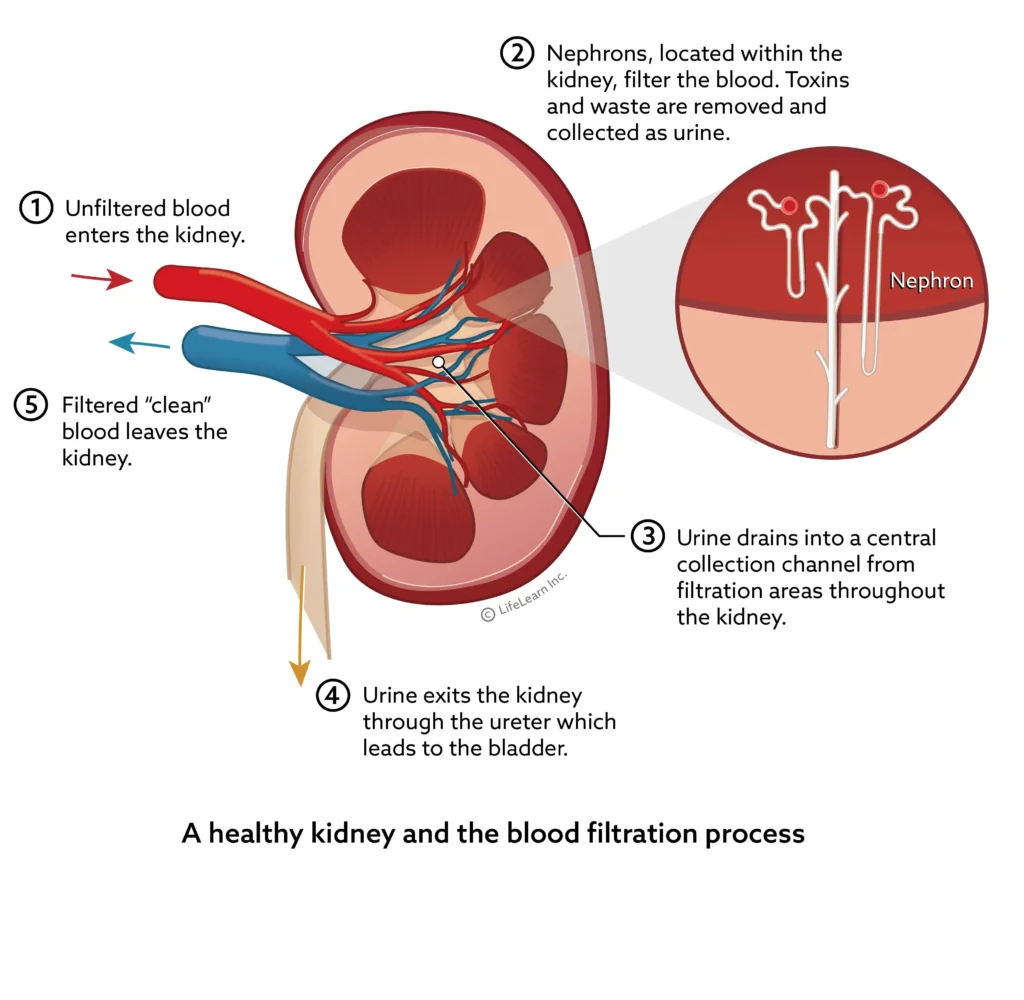
Acute kidney injury (AKI) refers to the sudden failure of the kidneys to perform normal filtration duties (previously referred to as acute renal failure). The clinical signs, potential causes, diagnosis, treatment, and prognosis of this condition are outlined in this handout.
Arthritis and Nutrition for Cats
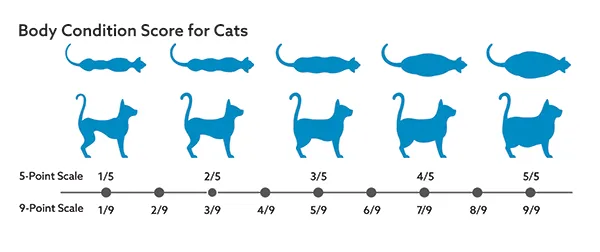
Approximately 20% of cats across all ages suffer from painful osteoarthritis in one or more joints, and 90% of cats over 12 years of age show evidence of arthritis on radiographs. Because cats are living longer, every cat owner will face the issue of osteoarthritis at some point. This handout discusses the use of nutrition and nutritional supplements to aid in the management of your cat’s osteoarthritis. Weight loss, omega fatty acids, and various chondroprotective supplements are discussed.
A Cleaner, Greener Home for Your Pets

There are many environmentally friendly ways that owners can care for their pets. Waste disposal can involve biodegradable or compostable bags or careful composting. Cat litter can be transitioned to recycled newspaper or sawdust pellets. Any toys, beds, houses and other accessories can be biodegradable and/or recycled such as cotton or rubber. Cats should be kept indoors to reduce their impact on the ecology of their surrounding environment. A nutritionally adequate diet composed of organic food can be provided.
Anal Sac Tumors
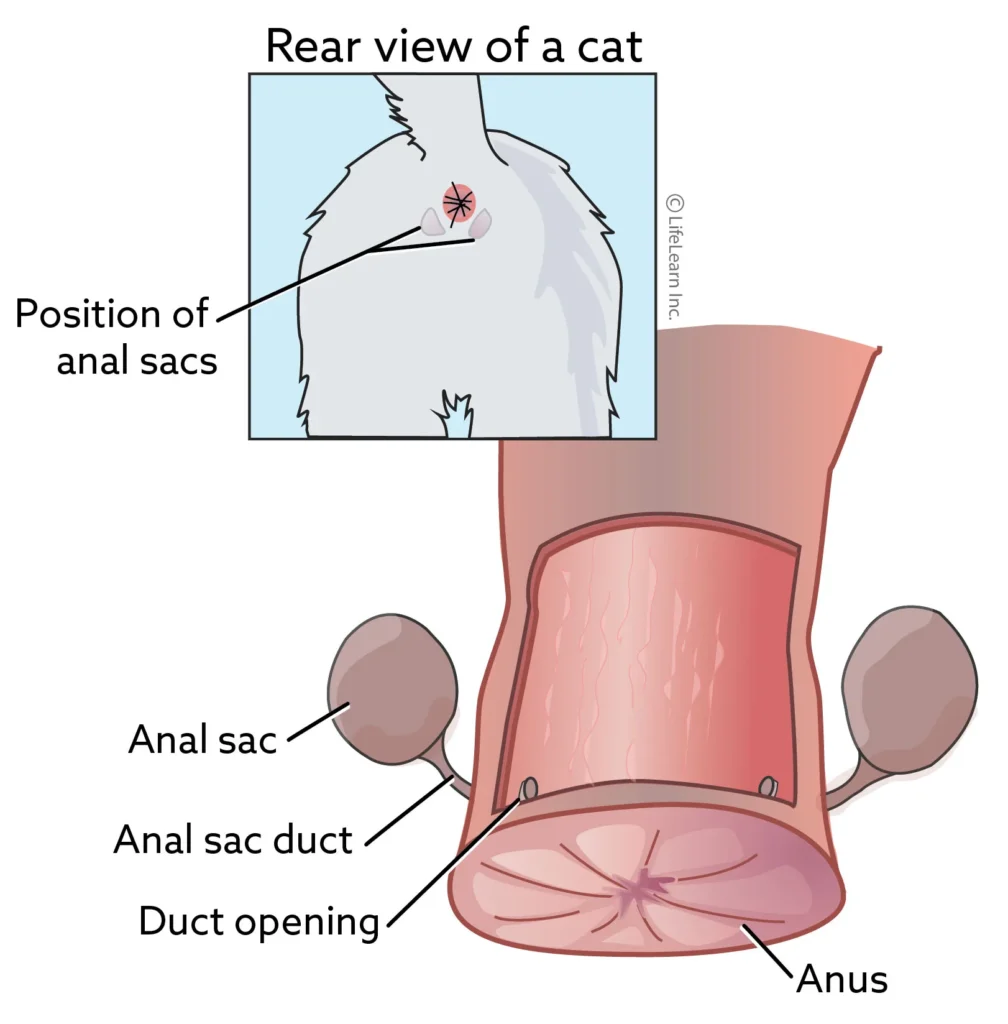
Anal sac tumors grow quickly and have a moderate risk of spreading to other parts of the body. Depending on the tumor’s size, your pet could develop signs of straining to defecate or produce thin ribbon-like stool. An increased calcium level in the blood is consistent with anal sac tumors, which can cause other signs and result in kidney failure. The best and most well-described local treatment for the primary tumor is surgery. Radiation and chemotherapy may be considered if there is evidence of spread.
Adrenal Medulla Tumors
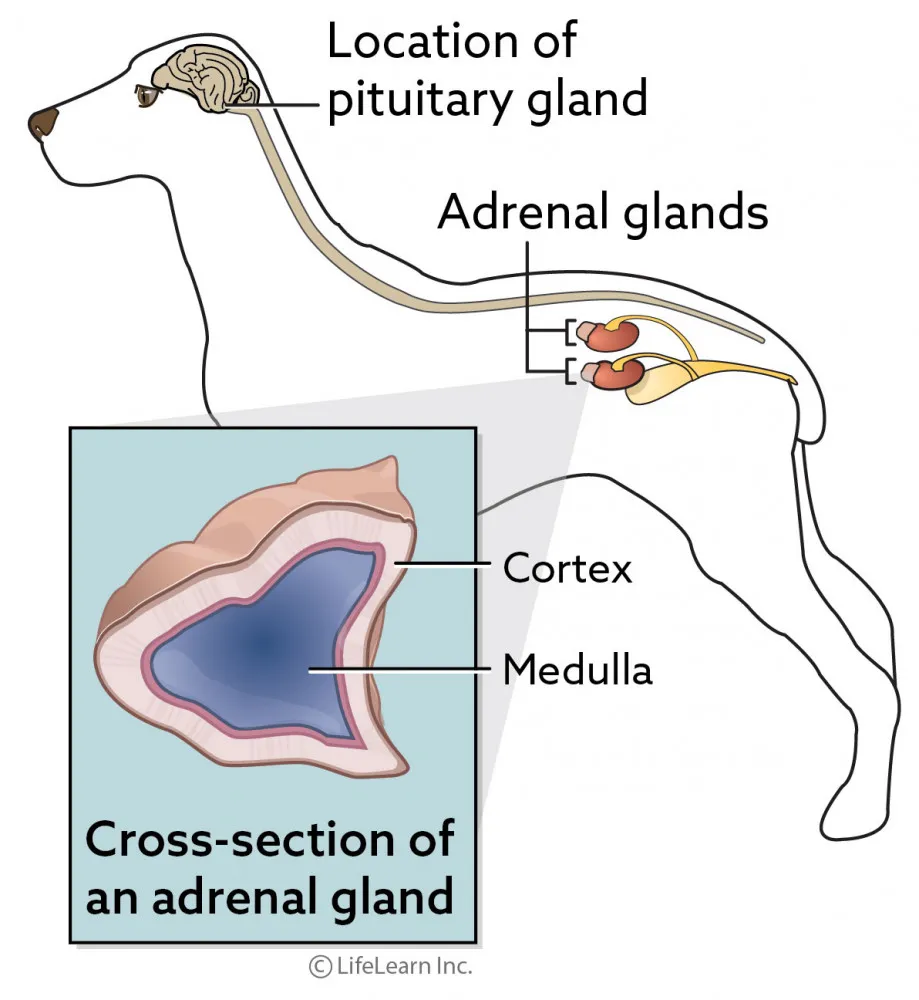
The adrenal medulla is responsible for producing hormones such as epinephrine, norepinephrine, and dopamine. An adrenal medulla tumor is the result of abnormal, uncontrolled growth of the cells that produce these hormones. These tumors may go undetected for a long time and clinical signs may be subtle. These signs could include weakness, excessive panting and restlessness, newly noted anxiety, and an increase in drinking and urination. The biggest concern with these tumors is their ability to continue to grow and invade local tissues, which can make surgical removal difficult or impossible.
Adrenal Cortex Tumors
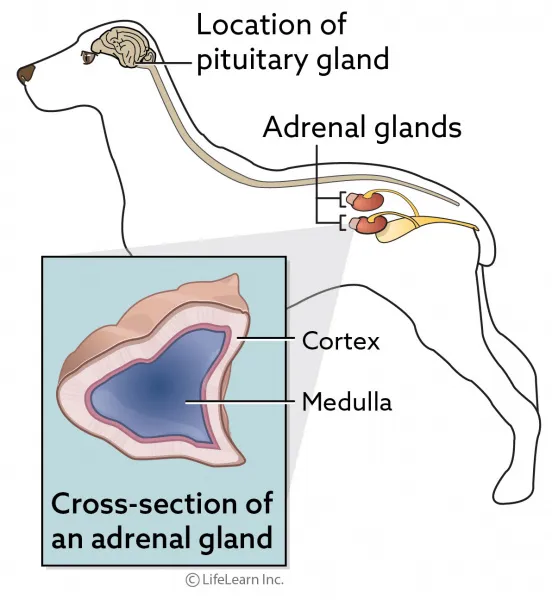
An adrenal cortex tumor is an abnormal growth of cells in the adrenal cortex. These tumors result in overproduction of cortisol and can be malignant (cancerous) or benign. In both cases, an adrenal cortex tumor can cause Cushing’s disease in dogs. Malignant tumors can metastasize to other organs, including the kidneys, lymph nodes, and thyroid gland. The sooner a diagnosis and treatment plan can be determined, the better the outcome for your pet.
Adipose (Lipoma) Tumors
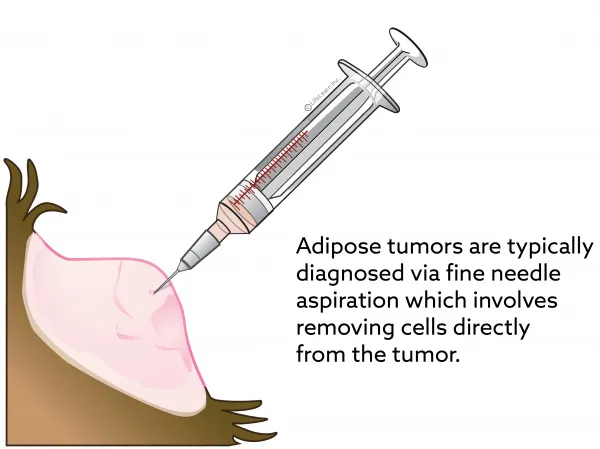
Lipomas are common, usually harmless, tumors of fat that usually show up as a lump under the skin in middle-aged to older animals. Some pets will develop these tumors in their armpit region, between their legs, or around the neck, which can cause discomfort and/or lameness. You may see your pet exhibit an irregular gait, and/or reluctance to stand, walk upstairs, or go for their normal walks. This handout reviews the diagnosis, treatment, and prognosis of lipomas.
The Importance of Sharing Medical Records
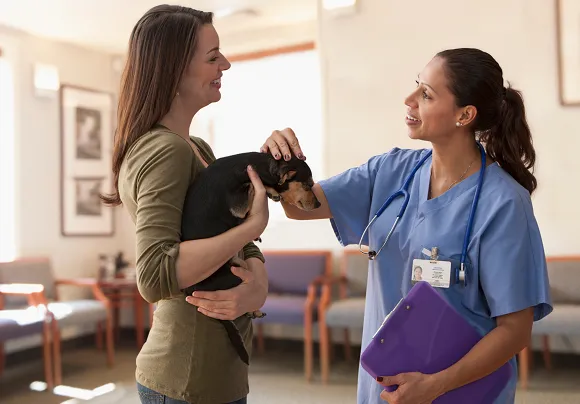
Complete and accurate medical records are like a medical diary for your pet. The ability to review your pet’s medical history before the first appointment will allow your new veterinarian to provide exceptional care that is tailored and timely. You can request that your previous veterinary clinic send your pet’s records to your new veterinarian.