
Applying Ointments, Creams, and Lotions on Cats
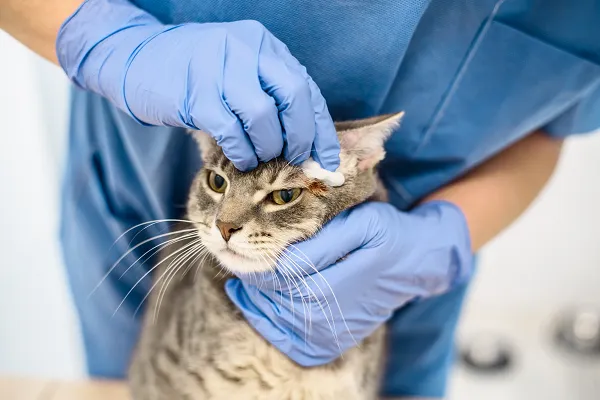
Applying topical medications to your pet can sometimes be a challenge. Creams, ointments, and lotions are for external use only. It is important to prevent your cat from licking and swallowing any of these external preparations as they may contain ingredients that could be harmful if swallowed. Most topical preparations work better if they are gently massaged in for a few moments after application. It is always a good idea to get someone to help hold your cat, especially when applying medications on a sensitive or painful area. If you still have trouble keeping your pet from licking the medication, please contact your veterinarian to get your cat fitted for an Elizabethan collar.
Applying Eye Ointments to Cats
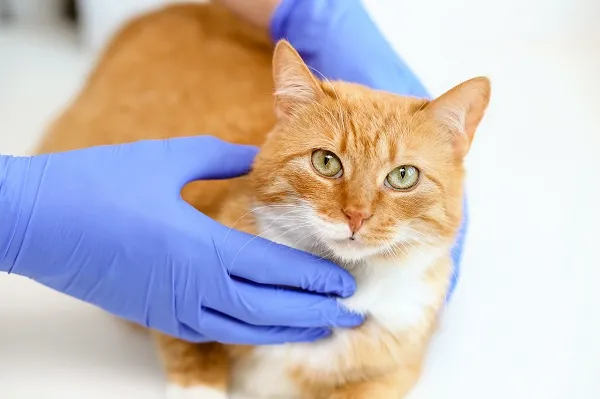
Applying eye ointments to your cat’s eye(s) can be a challenging or easy task. The proper administration of eye medications is essential for your cat’s prompt recovery. It is important to use the medication as directed for the full duration and contact your veterinarian if you have problems. The tips and instructions in this handout may make administering your cat’s eye ointment easier.
Applying Ear Drops to Cats
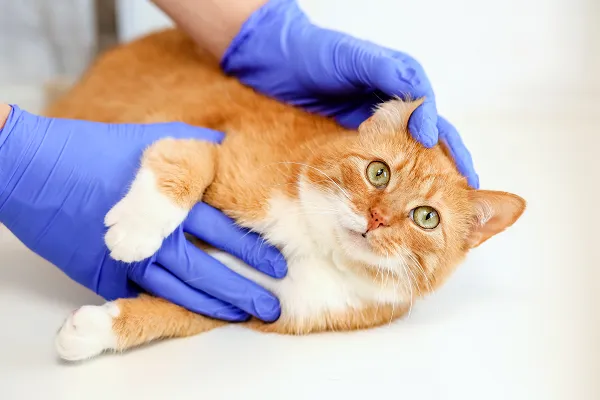
Topical ear medications are necessary for the treatment of most ear conditions in cats. This article provides step-by-step instructions on how to apply ear medications along with precautions. Tips are also given to reduce your cat’s anxiety with ear treatment.
Aortic Stenosis in Cats
Aortic stenosis is a heart disease that is present at birth. Cats affected with aortic stenosis have a narrowing at the aortic valve of the heart. The clinical signs of aortic stenosis vary depending on how severe the stenosis is; some cats remain asymptomatic throughout their life, while other cats begin showing clinical signs at an early age and can experience sudden death. The treatment of aortic stenosis depends upon the severity of the condition.
Anal Sac Disease in Cats
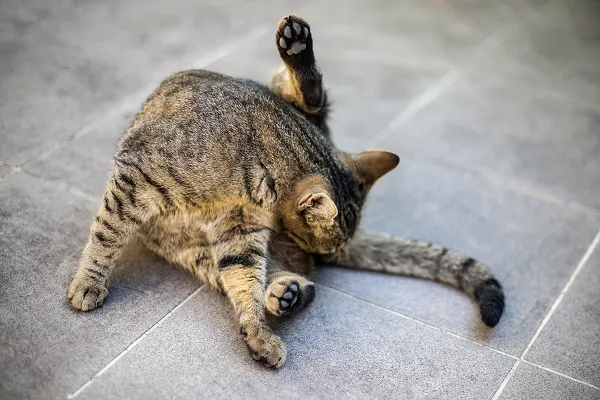
The anal sacs are two small pouches located on either side of the anus. The walls of the sac produce a foul-smelling fluid that is released when a cat passes a bowel movement. The anal sacs or their ducts can become inflamed or infected due to a variety of causes. Most cats will respond well to pain relief medications and antibiotics. If a cat has several episodes of anal sac disease, and dietary changes and supplements or medication do not relieve the problem, the anal sacs can be removed surgically.
Allergies in Cats

An allergy occurs when the cat’s immune system overreacts or is hypersensitive to foreign substances called allergens. There are four main types of allergies in cats, namely flea allergy, atopic dermatitis (atopy), food allergy, and contact allergy. They share common physical expressions and signs in cats, and each has unique features.
Addison’s Disease in Cats
Addison’s disease, also known as hypoadrenocorticism, is a condition in which the adrenal glands do not produce enough glucocorticoids (steroids) and is considered rare in cats. When normal adrenal gland tissue is destroyed, cats often have a history of waxing and waning periods of lethargy, decreased appetite, and weight loss.
Allopurinol

Allopurinol is an oral medication typically used to prevent uric acid and calcium oxalate stones in dogs. It is also used off-label to treat leishmaniasis and gout in dogs and other species. Side effects are uncommon but may involve stomach upset. Caution must be taken when allopurinol is used in conjunction with certain other medications. It should not be used in pets with liver or kidney dysfunction or in red-tailed hawks.
Are Booster Vaccines Necessary for Cats?
Primary vaccination is essential to prevent the return of once common deadly infectious diseases in kittens and cats. Recent research indicates that not all vaccines require yearly boosters. However, there is no evidence that annual booster vaccination is anything but beneficial to most cats. Published research has conclusively shown that abstaining from some boosters can put your cat at risk.
Antibiotic-Resistant Bacterial Infections in Cats
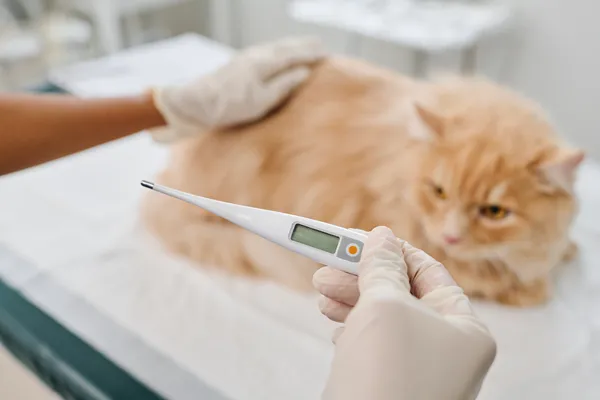
Antibiotic-resistant bacterial infections are bacterial infections that are minimally or no longer responsive to commonly used antibiotics. Although these bacterial infections occur naturally, the frequent and/or inappropriate use of antibiotics accelerates the process. Cats with certain medical conditions may also be predisposed.