
Allopurinol
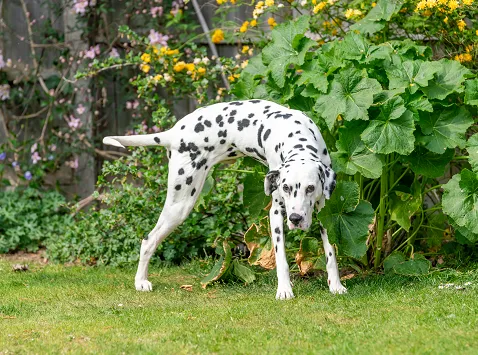
Allopurinol is an oral medication typically used to prevent uric acid and calcium oxalate stones in dogs. It is also used off-label to treat leishmaniasis and gout in dogs and other species. Side effects are uncommon but may involve stomach upset. Caution must be taken when allopurinol is used in conjunction with certain other medications. It should not be used in pets with liver or kidney dysfunction or in red-tailed hawks.
Chronic Egg-Laying in Birds
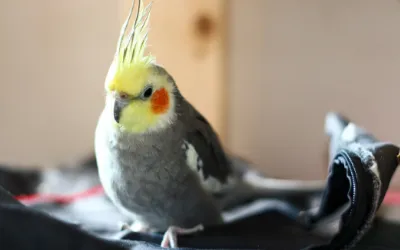
Chronic egg-laying occurs when a female bird lays one egg after another or lays repeated clutches of eggs. Chronic egg-laying may lead to malnutrition and egg binding. There are both behavioral and medical interventions to stop chronic egg-laying.
Cage Hygiene in Birds
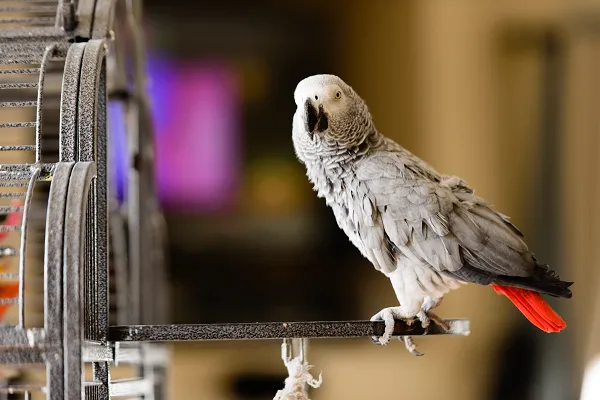
Cleaning a bird cage should be a weekly routine. Since food particles and fecal material can harbor and entice bacterial and fungal growth, cage cleaning is extremely important to maintain a healthy environment for your bird. Soap and water make excellent cleaning solutions. Some materials, such as wood, wicker, and rope are impossible to disinfect and, therefore, should be replaced regularly.
Budgies – General
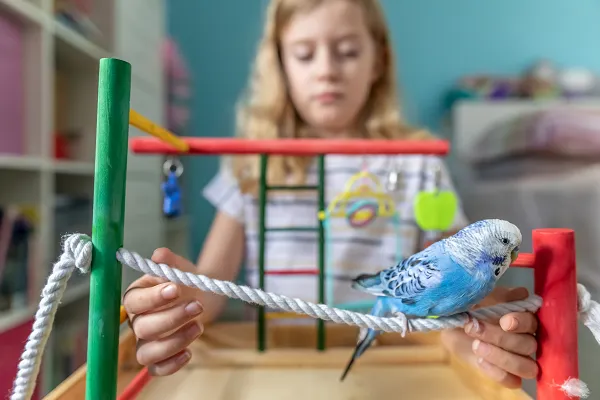
Budgerigars (parakeets) make wonderful pets. They are small birds that, with proper training, can become very tame and provide years of enjoyment. Their chatter and ability to amuse themselves make them a joy to watch.
Bathing Birds
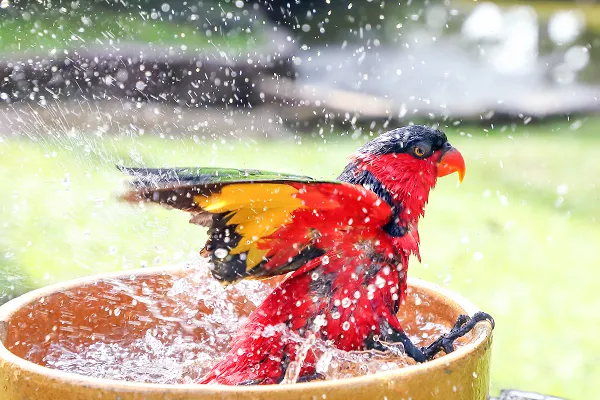
Bathing is very important for the proper maintenance of feathers. The dry air in our homes created by central heating and air conditioning is not conducive to the maintenance of healthy feathers and skin, so pet birds should be encouraged to bathe at least three to four times a week. This handout provides helpful tips and safety precautions for bathing your bird.
Azithromycin
Azithromycin is given by mouth or injection and is used on and off-label to treat a variety of infections. Give as directed. Common side effects include stomach upset. Do not use in pets that are sensitive to macrolide antibiotics. If a negative reaction occurs, please call your veterinary office.
Cataracts in Birds
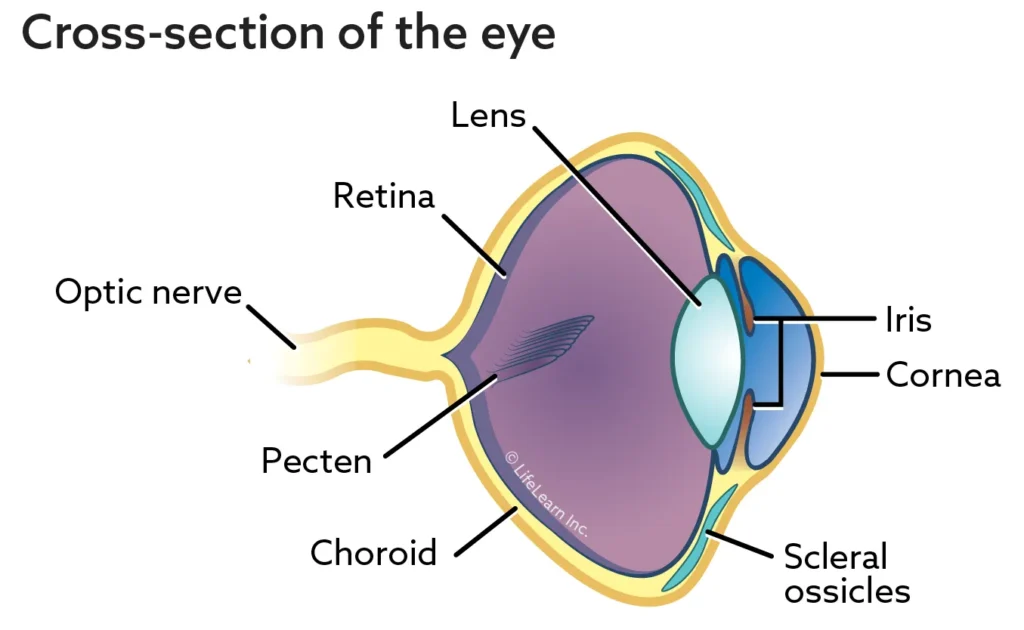
Cataract formation is a reasonably well-known occurrence in pet birds. Canaries are more prone to cataract formation than other species of birds. Cataracts may be inherited or be secondary to a traumatic injury or infection involving one or both eyes.
Aspergillosis in Birds
Aspergillosis is a severe and sometimes life-threatening fungal infection that commonly causes respiratory disease in pet birds. Infected birds may show respiratory signs, including tail bobbing, difficulty breathing, and coughing.Several diagnostic tests are available, but surgical laparoscopy is the most accurate. Aspergillosis is a very challenging disease to treat and even more difficult to cure. In many cases, referral to an avian specialist is advised.
Abnormal Droppings in Birds

Abnormal droppings are a non-specific sign of illness in birds. Causes may range from a dietary intake of excess fruits to bacterial or viral intestinal infections and heavy metal toxicity. Any changes in the color or consistency of your bird’s droppings should be addressed by your avian veterinarian.
Housing and Environment for Your Mini-Pig
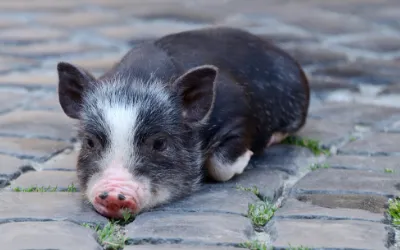
Mini-pigs may be housed successfully inside if they are given enough space, an area in which to root, and proper environmental enrichment. Ideally pet pigs should have access to a safe area of untreated lawn outside in which to root and chew on grass. Pet pigs generally like to urinate and defecate in a single area that is far from where they eat and sleep and can be trained to eliminate either inside and outside. Pigs in urban environments may be taught to walk on a leash/harness and go outside like dogs. If this is not feasible, they can be trained to use a litter pan indoors.