
Afoxolaner

Afoxolaner is a chewable tablet used to treat and prevent flea and tick infestations in dogs. It has also been used off-label to treat certain types of mange and mites. Give as directed by your veterinarian. Side effects are uncommon but may include stomach upset or neurologic symptoms. Do not use in pets with a history of seizures. If a negative reaction occurs, please call the veterinary office.
Anthrax in Cats

Anthrax is a bacterial infection that rarely affects cats. It is not a new infection but has been revisited due to concerns about bioterrorism. Infection in cats usually occurs through ingestion of infected carcasses, causing clinical signs such as vomiting, diarrhea, and swelling of the face and neck. Treatment is highly effective in the early stages of infection.
Anaplasmosis in Dogs
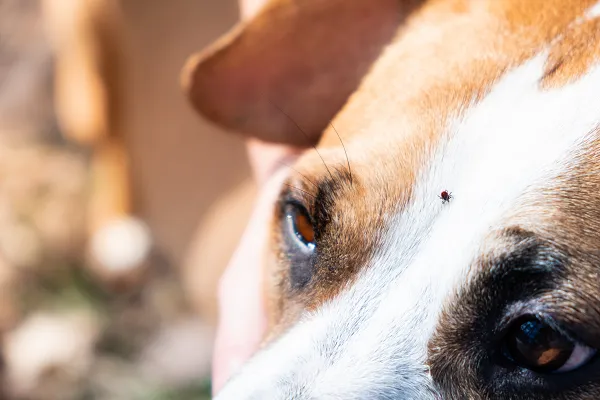
Anaplasmosis is a tick-borne disease caused by the infectious bacterial organism Anaplasma phagocytophilum. It is transmitted through bites of the deer tick (also known as the black-legged tick) and the Western black-legged tick. A lesser form of anaplasmosis is caused by Anaplasma platys and is transmitted by the brown dog tick. Dogs with anaplasmosis often have many of the same symptoms as those with Lyme disease, and infection with both agents (co-infection) is not uncommon.
A Cleaner, Greener Home for Your Pets

There are many environmentally friendly ways that owners can care for their pets. Waste disposal can involve biodegradable or compostable bags or careful composting. Cat litter can be transitioned to recycled newspaper or sawdust pellets. Any toys, beds, houses and other accessories can be biodegradable and/or recycled such as cotton or rubber. Cats should be kept indoors to reduce their impact on the ecology of their surrounding environment. A nutritionally adequate diet composed of organic food can be provided.
Dogs and Raw Food Diets

This handout discusses the pros and cons of feeding a raw food diet to your dog. Topics included are nutritional imbalances, potential bacterial contamination, the risk of foodborne illnesses involving both you and your pet, and other concerns that may arise from feeding a raw food diet.
Anal Sac Tumors
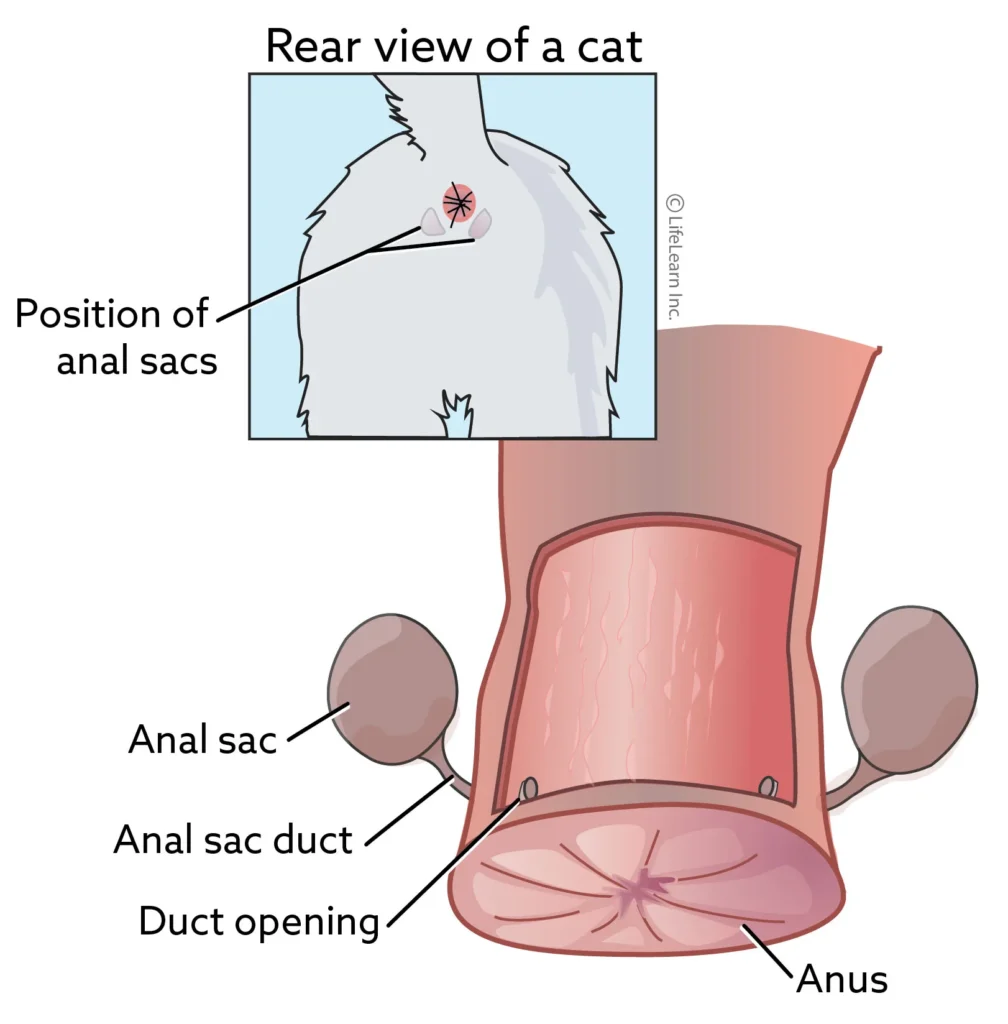
Anal sac tumors grow quickly and have a moderate risk of spreading to other parts of the body. Depending on the tumor’s size, your pet could develop signs of straining to defecate or produce thin ribbon-like stool. An increased calcium level in the blood is consistent with anal sac tumors, which can cause other signs and result in kidney failure. The best and most well-described local treatment for the primary tumor is surgery. Radiation and chemotherapy may be considered if there is evidence of spread.
Adrenal Medulla Tumors
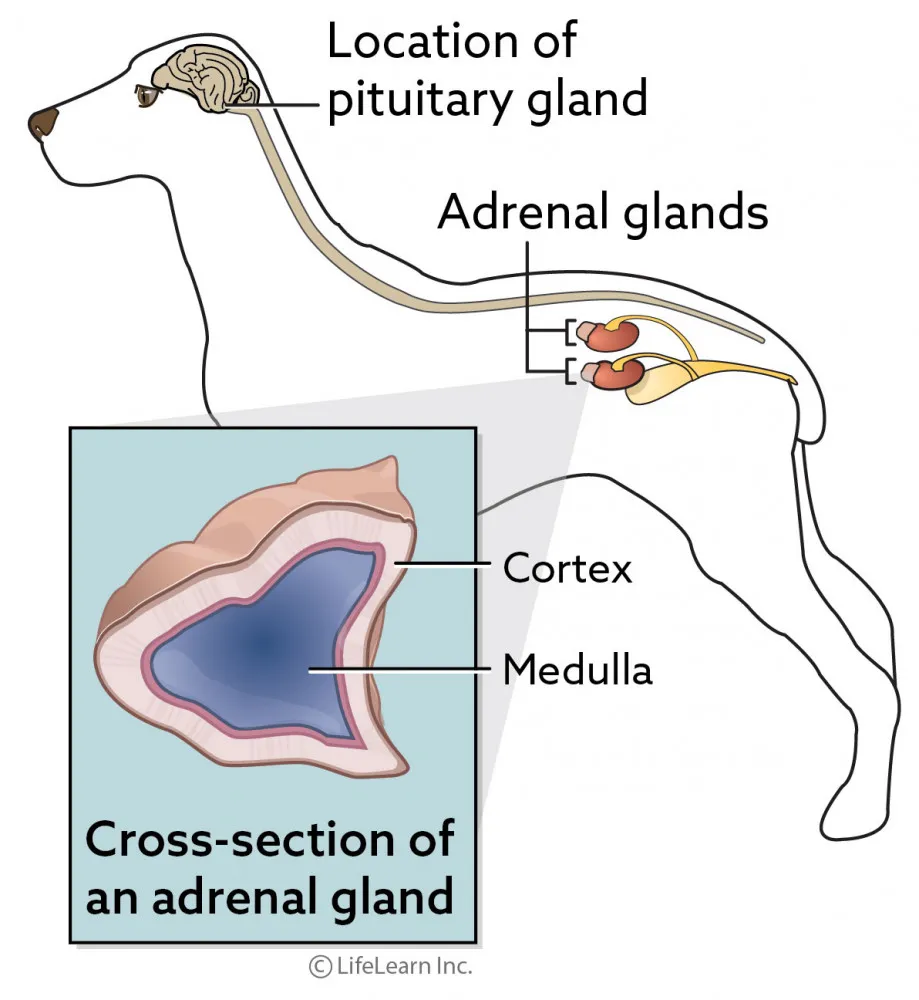
The adrenal medulla is responsible for producing hormones such as epinephrine, norepinephrine, and dopamine. An adrenal medulla tumor is the result of abnormal, uncontrolled growth of the cells that produce these hormones. These tumors may go undetected for a long time and clinical signs may be subtle. These signs could include weakness, excessive panting and restlessness, newly noted anxiety, and an increase in drinking and urination. The biggest concern with these tumors is their ability to continue to grow and invade local tissues, which can make surgical removal difficult or impossible.
Adrenal Cortex Tumors
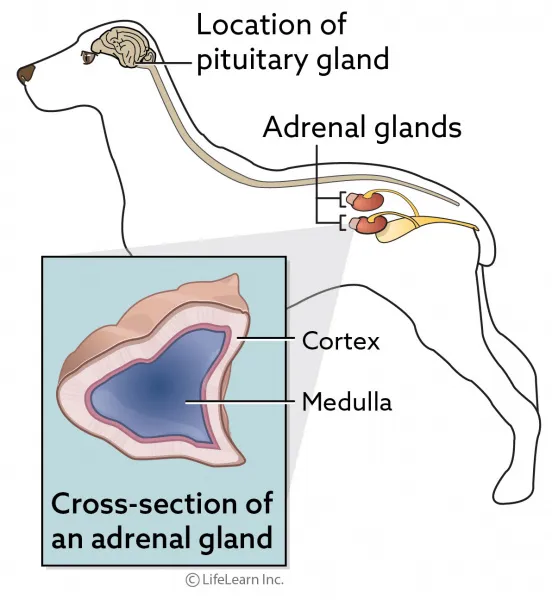
An adrenal cortex tumor is an abnormal growth of cells in the adrenal cortex. These tumors result in overproduction of cortisol and can be malignant (cancerous) or benign. In both cases, an adrenal cortex tumor can cause Cushing’s disease in dogs. Malignant tumors can metastasize to other organs, including the kidneys, lymph nodes, and thyroid gland. The sooner a diagnosis and treatment plan can be determined, the better the outcome for your pet.
Adipose (Lipoma) Tumors
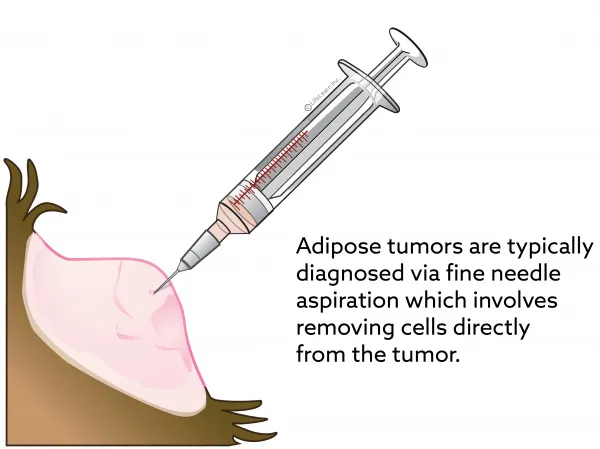
Lipomas are common, usually harmless, tumors of fat that usually show up as a lump under the skin in middle-aged to older animals. Some pets will develop these tumors in their armpit region, between their legs, or around the neck, which can cause discomfort and/or lameness. You may see your pet exhibit an irregular gait, and/or reluctance to stand, walk upstairs, or go for their normal walks. This handout reviews the diagnosis, treatment, and prognosis of lipomas.
Candida Infections in Birds
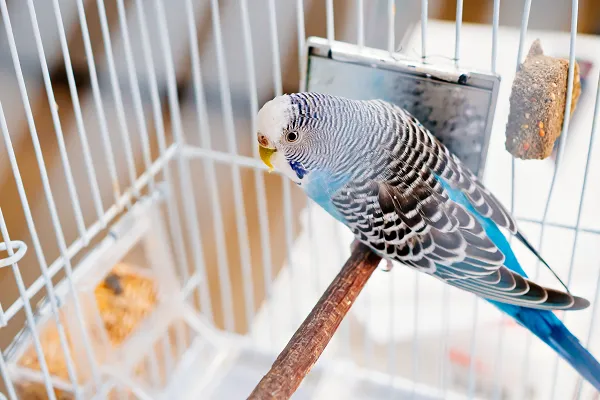
Candida is a type of yeast that may cause problems in the digestive tract of birds. In young birds, immunocompromised birds, or birds that have been on antibiotics for an extended period, candida may overgrow in the digestive tract and cause various problems, such as ‘sour crop’.