
Cryosurgery
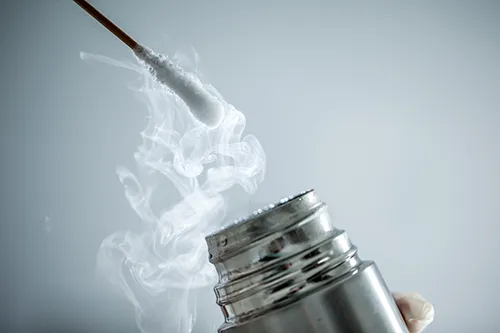
This handout discusses the use of cryosurgery in pets. This technique involves the use of extreme cold to destroy abnormal or diseased tissues. A short discussion in included as to how the technique is used, and in what circumstances it may be appropriate to use.
Preparing for Your Telemedicine Appointment

Telemedicine is the act of practicing medicine from a distance and your appointment will be conducted by a licensed veterinarian. Before your appointment, gather information on your pet’s history and your current concern. Look at a calendar and write down a timeline of your pet’s problems. Be prepared to answer questions that you would normally be asked at an in-person appointment. Write notes to help you remember everything. Most telemedicine appointments involve the use of some type of video chat. Conduct your visit in a quiet area with good lighting and have your pet with you before the call starts. Not all concerns can be addressed through telemedicine. If your veterinarian is unable to arrive at a diagnosis via telemedicine, he or she can help you determine the next step for your pet to ensure that he or she receives optimal care.
Preparing Your Pet for a Blood Test
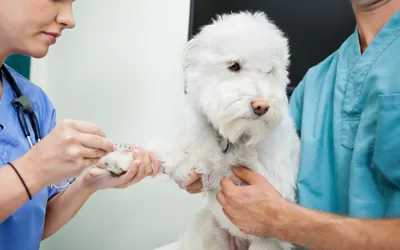
Having your pet properly prepared for a blood test helps to ensure that the results are as accurate and reliable as possible. Preparation for these two types of tests is slightly different. Your veterinarian will give you specific instructions before your appointment. It is important that you follow these instructions exactly to ensure accurate test results.
Complete Blood Count (CBC)
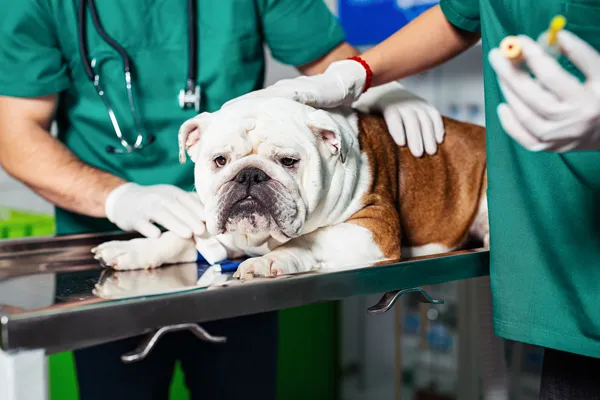
The complete blood count (CBC) assesses different parameters of the cells in the blood including total number, appearance, size, and shape. Red blood cells, white blood cells, and platelets comprise the cellular component of the blood.
Cytology, Biopsy, and Histopathology
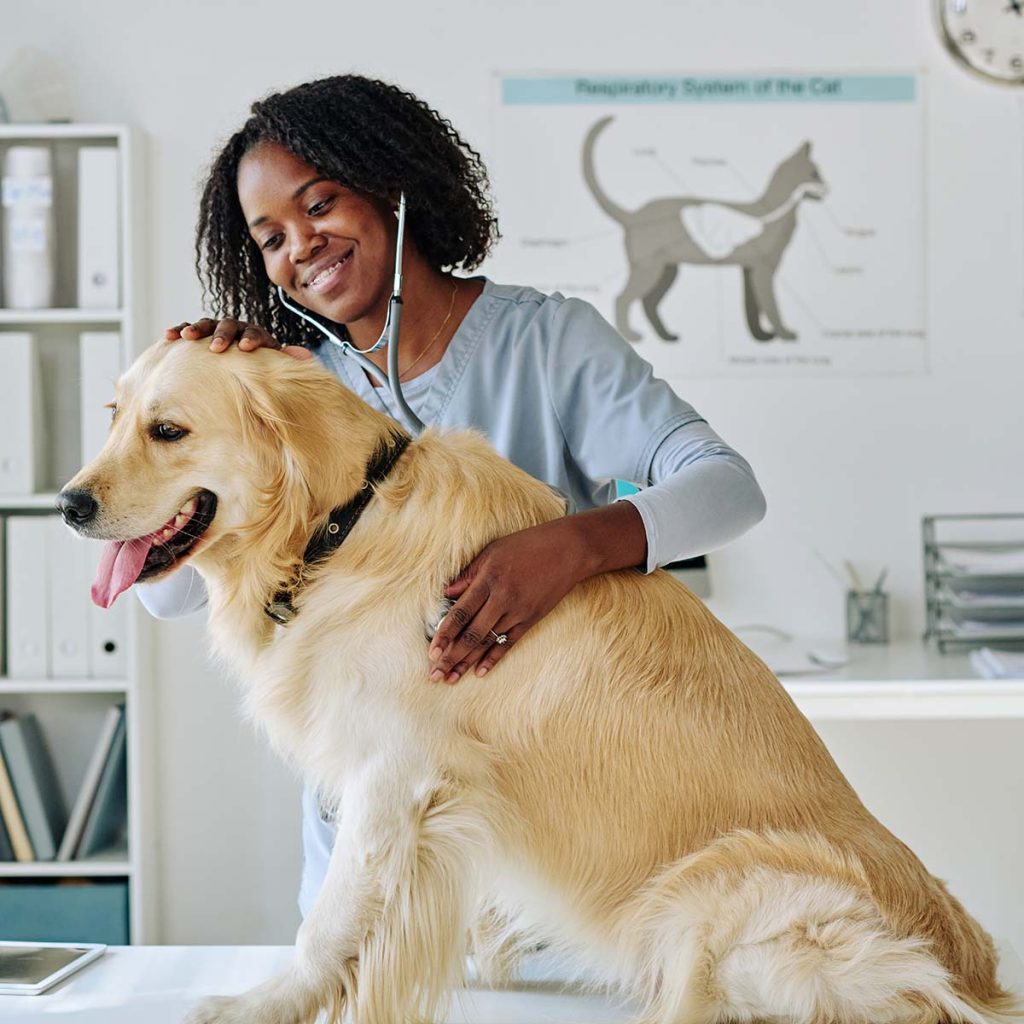
Collecting tissue samples for cytology or histopathology allow a pathologist to often give a diagnosis of the type of mass or tumor your pet has. Samples can be obtained by fine needle aspirate or biopsy, where a piece of the mass is cut out. Based on what the mass appears like under the microscope, the pathologist can often give a prognosis of how the tumor will behave.