
Aggression in Dogs: Territorial

Territorial behavior is a normal canine behavior, though territorial aggression can result in injury to a person or animal. Many dogs that exhibit territorial aggression have an underlying fear or frustration that contributes to their level of arousal. Territorial aggression may be preventable if recognized and addressed early.
Aggression in Dogs

Aggression may be defined as any threat or harmful behavior directed toward another individual or group. Aggression in dogs commonly includes body language or threat displays such as a hard stare, growling, barking, snarling, lunging, snapping, and/or biting. There are many different categories or types of canine aggression including territorial, possessive, maternal/protective, pain-related, predatory, frustration, social conflict-related, sexual, disease-related, and fear- or anxiety-related aggression. The most common presentation of aggression is fear or anxiety motivated. The treatment of aggression will depend on the cause of aggression. Aggression should first be discussed with your veterinarian regarding the most appropriate treatment.
Reptiles: Gout

Swellings on or around the joints in reptiles can be an indication of uric acid deposits in the area. This condition is referred to as gout. Gout is often painful and may also affect internal organs. Treatment will require medications and sometimes surgery.
Reptiles: Dystocia

Abdominal swelling in any reptile is always a concern that needs to be brought to the attention of a veterinarian well versed in reptile medicine. In female reptiles, this swelling often means that the individual has eggs or fetus that are ready to be delivered. When the female cannot deliver the eggs or babies, this is referred to as dystocia. This condition can be life threatening and need attention ASAP.
Loss of a Pet – Grief and Bereavement

Grief is the normal and natural response to the loss of someone or something. It is a full body experience that includes physical, emotional, cognitive, social, and spiritual responses. The best way to manage your grief is to be reassured that these reactions are normal and to let them run their natural course. Grieving takes time. Usually it gradually lessens in intensity over time, but if it doesn’t, then professional counseling may help.
Iguanas: Diseases
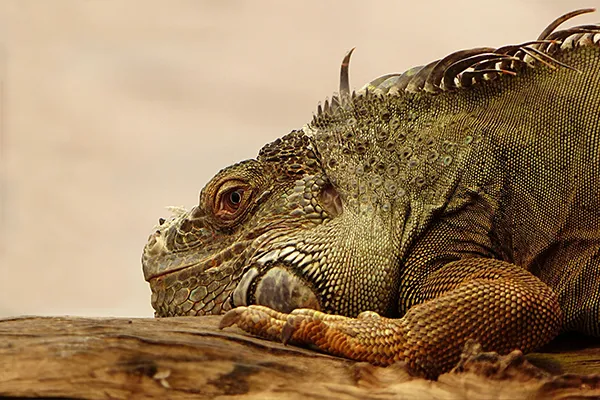
Iguanas are generally a very hardy reptile under that proper conditions. There are a number of common ailments that affect iguanas. Early communication with a reptile veterinarian about changes in your iguana’s health status is critical.
Dexmedetomidine

Dexmedetomidine is a sedative/tranquilizer used primarily in cats and dogs as a pre-medication injection for anesthesia or for chemical restraint. It is also used orally in dogs for short-term anxiety management. The most common side effect is a low heart rate. Dexmedetomidine should not be used in patients with severe heart liver or kidney disease. It should be used cautiously in young, old, or weak animals. Consult your veterinary office immediately if you suspect a negative reaction or overdose.
Veterinary Care: New Reptile Visit
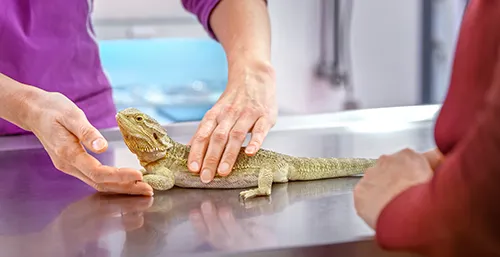
Yearly health examination for all reptiles is highly recommended. Since reptiles are excellent at hiding symptoms illness, it takes an experienced reptile veterinarian to assess the true health of your pet reptile. Blood tests, fecal examinations and/or radiographs may be performed during the health visit.
Snakes: Housing
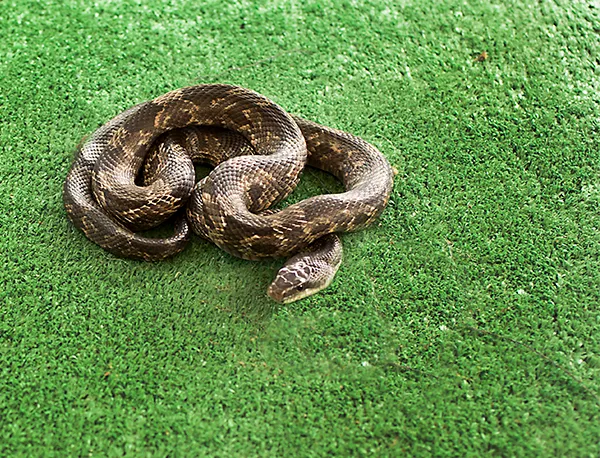
It is key for the health and safety of all snakes that proper housing be planned for the eventual adult size of your pet snake. For their enjoyment, hide boxes and branches are beneficial additions to the caging environment. Proper bedding, lighting and heat sources will differ depending on the species and size of your snake.
Feeding Pet Snakes
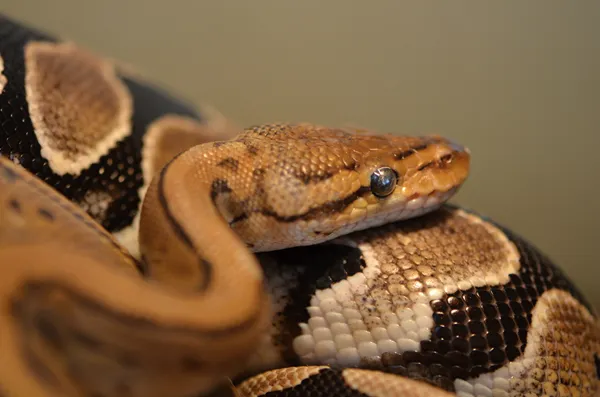
All snakes are carnivores. Some eat warm-blooded prey (rodents, rabbits, birds), while others eat insects, amphibians, eggs, other reptiles, fish, earthworms, or slugs. Live prey should not be fed to snakes. Snakes can be offered thawed, previously frozen prey, or freshly killed prey. Smaller or younger snakes usually eat twice each week, while larger, more mature snakes typically eat once every week or two.