Christmas Offer - Get 50% off your first Office Visit!

North Park Veterinary Hospital — From Nov 1st, we’re extending our working hours! Mon–Fri: 9 AM–8 PM | Sat & Sun: 9 AM–5 PM.   |   Emergencies are welcome.

Pet Health Library

Our Amazing Gallery

English + Dogs + Breed Characteristics

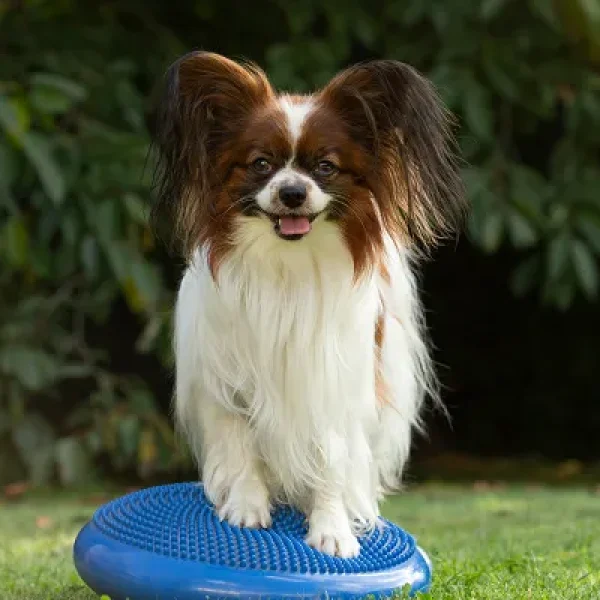
Exercises to Improve Proprioception
Proprioception is the ability to know where your body is in space. This is what helps reduce falls and injury. Proprioception may be lost suddenly through spinal cord trauma, or it may be reduced with age, joint disease (osteoarthritis), or other orthopedic or neurologic disease. Some specific controlled exercises that can improve proprioception are discussed. Any exercise plan needs to be formulated by a veterinary rehabilitation therapist to avoid injury.
Lysosomal Storage Diseases in Dogs
Lysosomal storage diseases are a rare collection of conditions that are inherited. Many of them are more prevalent in certain breeds and are seen in the first few months of life. Clinical signs vary depending on the type of disease, but commonly include failure to thrive, incoordination, vision loss, and seizure. Prognosis is usually poor for long-term survival.
Hemophilia A & B in Dogs
Hemophilia A and B are clotting disorders involving a deficiency of a specific clotting factor (A: Factor VIII, B: Factor IX) needed for appropriate homeostasis. They are caused by a sex-linked recessive genetic mutation. Affected dogs will show inappropriate hemorrhage including bruising, lameness induced by bleeding into joints and body cavity hemorrhage. It can be diagnosed with a slow APTT and demonstrating low levels of the factor involved. Hemophilia A is more common than B and is generally, more severe. Because it is sex-linked recessive, males are more likely to be affected than females but females still act as carriers, so genetic screening is important prior to breeding to prevent this disease.
False Pregnancy or Pseudopregnancy in Dogs
False pregnancy refers to a display of maternal behaviors, combined with the physical signs of pregnancy following estrus, in unspayed female dogs that are not actually pregnant. Signs include physical and behavioral changes, outlined in this article. Mild cases typically are not treated, but treatment may be needed for more serious cases. If your dog is not used for breeding, spaying is recommended.
Estrus and Mating in Dogs
Estrus (heat) begins when a female dog reaches sexual maturity and occurs about twice per year, although it varies from dog to dog. From the beginning of a female’s estrus period, she will be attractive to male dogs, though she will usually not be receptive or allow mating until seven to ten days into her cycle. The time of mating is extremely critical and it is highly recommended to have your female tested to determine the optimal days for breeding.

FILTER BY SPECIES

FILTER BY TOPIC

Book Now