Christmas Offer - Get 50% off your first Office Visit!

North Park Veterinary Hospital — From Nov 1st, we’re extending our working hours! Mon–Fri: 9 AM–8 PM | Sat & Sun: 9 AM–5 PM.   |   Emergencies are welcome.

Pet Health Library

Our Amazing Gallery

English + Dogs + Breed Characteristics

Brachycephalic Airway Syndrome in Dogs
Brachycephalic airway syndrome refers to a particular set of upper airway abnormalities that affect brachycephalic dogs. The most common sign of the condition is mouth breathing and, in the long term, the increased effort associated with breathing can put a strain on the dog’s heart. Surgery is the treatment of choice whenever the anatomical abnormalities interfere with a dog’s breathing.
Bowel Incontinence in Dogs
Bowel incontinence is the loss of the ability to control bowel movements. There are two broad causes of fecal incontinence: reservoir incontinence and sphincter incontinence. In reservoir incontinence, intestinal disease interferes with the rectum’s ability to store normal volumes of feces. In sphincter incontinence, a structural or neurologic lesion prevents the anal sphincter from closing normally. Clinical signs, diagnostic testing, and treatment vary based on the underlying cause.
Bone Diseases of Growing Dogss
This handout summarizes the most common forms of lameness in growing dogs. Included are osteochondritis dissecans (OCD), panosteitis, hypertrophic osteodystrophy (HOD), elbow dysplasia, ununited anconeal process (UAP), fragmented coronoid process (FCP), patellar luxation, and hip dysplasia. Clinical signs for each of these conditions, along with treatment options, is discussed.
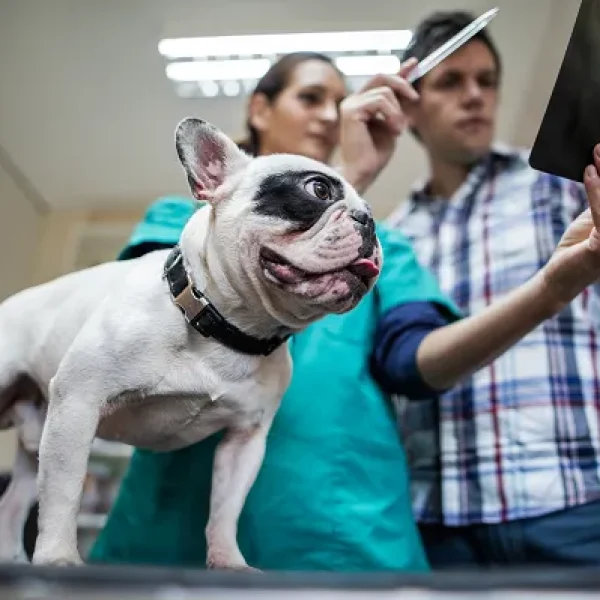
Anesthesia for Dogs
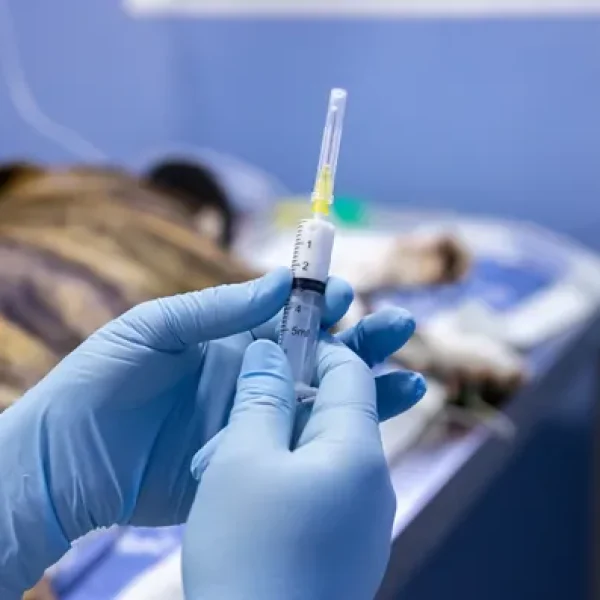
Anesthesia is accomplished by administering drugs that depress nerve function. It is important that you fully understand what will happen to your pet, and that you understand the risks. Anesthetic monitoring in a veterinary hospital is like that found in any human hospital. With today’s anesthetics, many of which are reversible, your pet should be almost completely normal by the time of discharge.
Wellness Testing for Senior Dogs
Regular wellness exams and laboratory testing are designed to detect hidden disease in senior dogs, allowing earlier intervention to manage or slow the progress of the disease. Typical testing in senior and geriatric dogs includes complete blood count (CBC) that assesses the red blood cells, white blood cells, and platelets; a biochemistry panel that provides information about the organs, electrolytes, blood sugar, and proteins; urinalysis that assesses kidney function and can identify inflammation or infection in the urinary tract; and a thyroid test to screen for hypothyroidism.

FILTER BY SPECIES

FILTER BY TOPIC

Book Now