Christmas Offer - Get 50% off your first Office Visit!

North Park Veterinary Hospital — From Nov 1st, we’re extending our working hours! Mon–Fri: 9 AM–8 PM | Sat & Sun: 9 AM–5 PM.   |   Emergencies are welcome.

Pet Health Library

Our Amazing Gallery

English + Dogs + Breed Characteristics

Cranial Cruciate Ligament Repair Extracapsular Repair
The traditional extracapsular lateral suture ECLS technique is the oldest surgical correction for cranial cruciate ligament (CCL) injury in dogs. The name of the procedure originates from the fact that the joint is stabilized outside the joint capsule (externally). CCL repair surgery typically begins with an initial examination of the inside of the knee. Both the traditional ECLS and the Tight Rope® procedures are considered extracapsular or external repairs of CCL injury. Both yield similar results with similarly low risks.
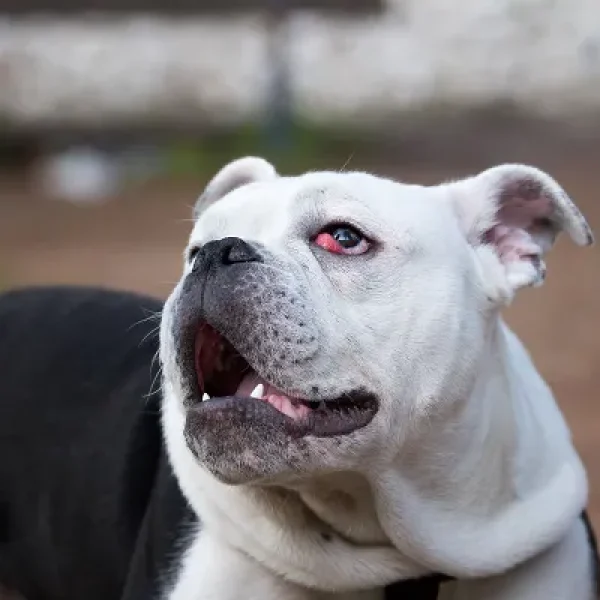
Cherry Eye in Dogs)
Cherry eye is a common name for a prolapsed third eyelid gland. The gland is mainly responsible for tear production in the eye, and treatment is recommended to prevent long-term damage. Treatment involves surgical replacement of the gland, though some dogs will have a recurrence of the problem.
Care of Surgical Incisions in Dogs
The general instructions for incision care are the same for all surgical incisions. There may be some differences, however, depending on the type of surgery and the material used to close the incision. This handout is a guide to caring for your cat’s surgical incision(s) at home for optimal recovery.
Burr Tongue in Dogs
Burr tongue is the common name for burdock tongue (also called granular stomatitis or granulomatous glossitis) caused by ingestion of the burrs from the burdock plant. Burr tongue is most commonly seen in long-haired dogs when they accidentally traumatize their tongue and mouth on the burrs during grooming. The hooked scales of the burrs become embedded in the tongue and gums and cause an intense foreign body reaction. Affected dogs often have small red bumps on the tip and edges of their tongue, front of the lips and gums, and occasionally the base of the nose. Based on the severity of the condition, treatment ranges from letting the injuries heal on their own to administering antibiotics and pain medications, to surgical intervention.
Brain Injury in Dogs
Brain injuries are devastating and, unfortunately, often fatal. The typical signs of brain injury in a dog include altered consciousness that may signal bleeding in the skull, decreased blood flow to the brain, or fluid causing swelling within the brain itself. There are many potential causes of brain injury and treatment will always be determined by the underlying problem that led to the injury.

FILTER BY SPECIES

FILTER BY TOPIC

Book Now