
Christmas Offer - Get 50% off your first Office Visit!

North Park Veterinary Hospital — From Nov 1st, we’re extending our working hours! Mon–Fri: 9 AM–8 PM | Sat & Sun: 9 AM–5 PM.   |   Emergencies are welcome.

Pet Health Library

Our Amazing Gallery

English + Dogs + Breed Characteristics

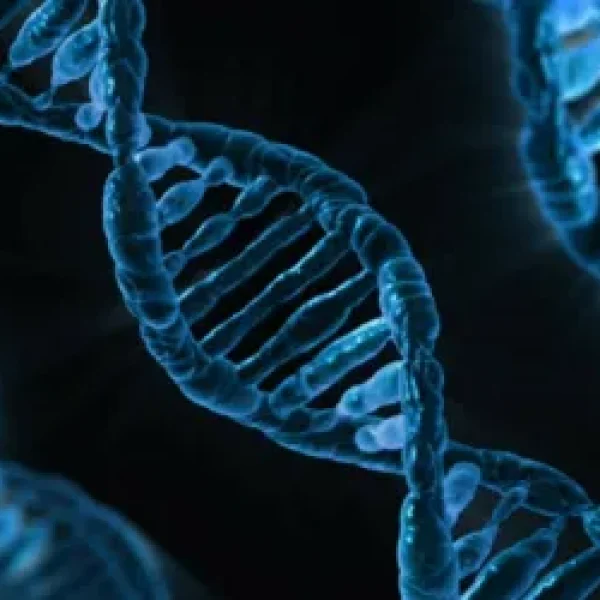
Genetics Basics Understanding DNA
Deoxyribonucleic acid (DNA) is a long molecule that contains an animal’s entire genetic code. DNA is primarily located within the nucleus of each cell. In the nucleus, enzymes transcribe the DNA bases into a substance called RNA (ribonucleic acid), which serves as a messenger, taking the DNA message out into the cytoplasm of the cell where the RNA is translated into proteins. These proteins are responsible for a number of functions in the cell and throughout the body, primarily by acting as enzymes that regulate various cell reactions. DNA tests allow us to examine an animal’s DNA in order to see whether they carry certain genetic diseases. DNA testing can also be used to determine the ancestry of an animal.
Genetics Basics Mutations vs Markers
Mutations are errors made during DNA replication. Mutations can be acquired as cells divide within the body or can be inherited if the parent’s DNA contains a mutation. Genetic markers can be used to determine genetic heritage such as breed origins.
Genetics Basics Modes of Inheritance
There are multiple methods of inheritance that determine which characteristics (or phenotypes) are displayed by the offspring, including autosomal dominant, autosomal recessive, and sex-linked inheritance. There are also many polygenic traits (i.e., associated with multiple genes) as well as environmental factors that make it much more complicated to predict disease or the likelihood of passing disease onto offspring.
Genetic (DNA) Testing
Genetic (DNA) testing is readily available, whether you are using it for fun to find out what breeds your pet is made up of or if you are looking into possible medical conditions. DNA samples can be collected either from a cheek swab or a blood draw. Knowing which breeds your pet is made up of can help you and your veterinarian prevent or prepare for health issues in the future.
Factors to Consider in Pet Selection - Cats
You’ve probably heard lots of funny cat anecdotes; about how you don’t own them…they own YOU; how they feel superior to everyone, especially dogs; that they expect to be treated like royalty. If you are considering a feline acquisition, first consider this: lots of those remarks are true! This handout explains the other factors to consider in selecting the cat most likely to choose your family, too.

FILTER BY SPECIES

FILTER BY TOPIC

Book Now