Christmas Offer - Get 50% off your first Office Visit!

North Park Veterinary Hospital — From Nov 1st, we’re extending our working hours! Mon–Fri: 9 AM–8 PM | Sat & Sun: 9 AM–5 PM.   |   Emergencies are welcome.

Pet Health Library

Our Amazing Gallery

English + Dogs + Breed Characteristics

Adrenal Medulla Tumors
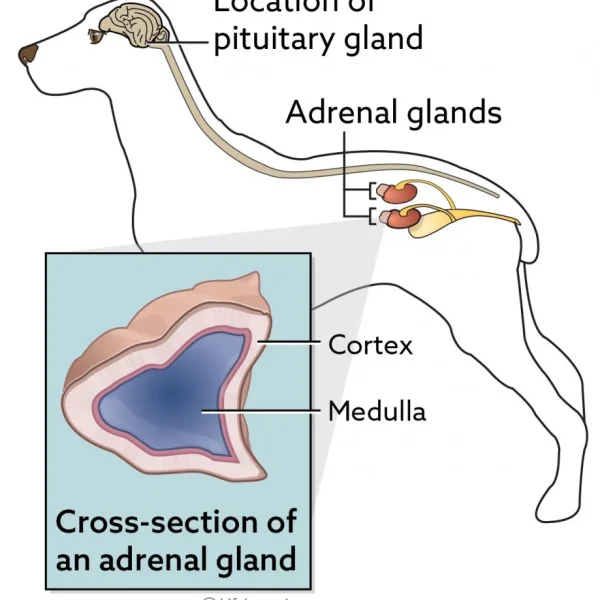
The adrenal medulla is responsible for producing hormones such as epinephrine, norepinephrine, and dopamine. An adrenal medulla tumor is the result of abnormal, uncontrolled growth of the cells that produce these hormones. These tumors may go undetected for a long time and clinical signs may be subtle. These signs could include weakness, excessive panting and restlessness, newly noted anxiety, and an increase in drinking and urination. The biggest concern with these tumors is their ability to continue to grow and invade local tissues, which can make surgical removal difficult or impossible.
Adrenal Cortex Tumors
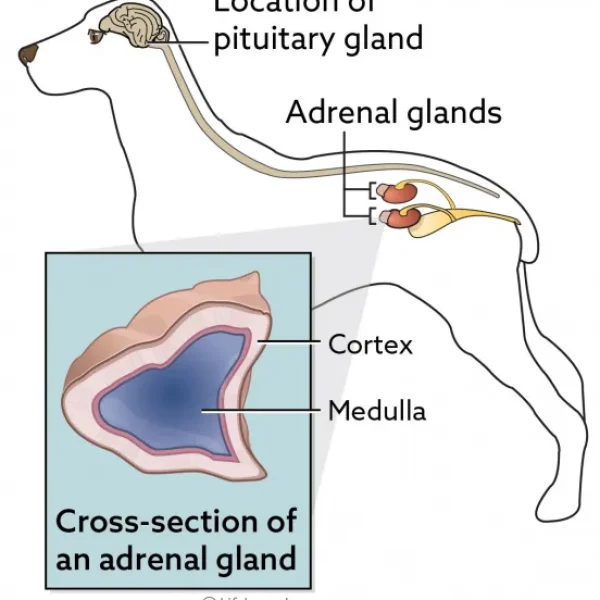
An adrenal cortex tumor is an abnormal growth of cells in the adrenal cortex. These tumors result in overproduction of cortisol and can be malignant (cancerous) or benign. In both cases, an adrenal cortex tumor can cause Cushing’s disease in dogs. Malignant tumors can metastasize to other organs, including the kidneys, lymph nodes, and thyroid gland. The sooner a diagnosis and treatment plan can be determined, the better the outcome for your pet.
Adipose (Lipoma) Tumors
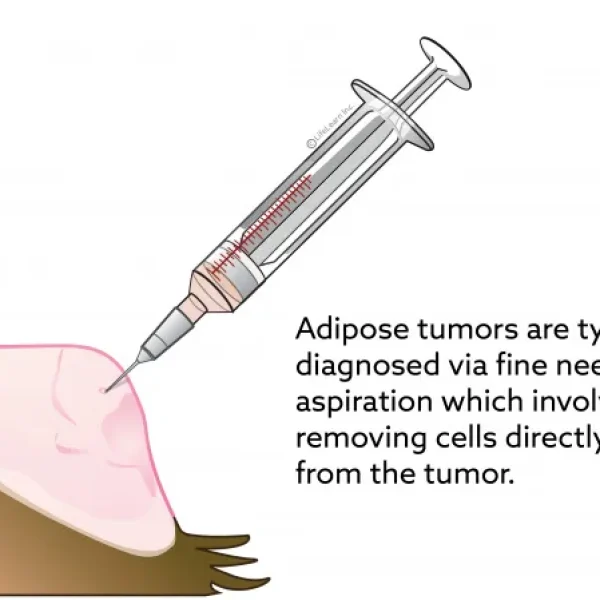
Lipomas are common, usually harmless, tumors of fat that usually show up as a lump under the skin in middle-aged to older animals. Some pets will develop these tumors in their armpit region, between their legs, or around the neck, which can cause discomfort and/or lameness. You may see your pet exhibit an irregular gait, and/or reluctance to stand, walk upstairs, or go for their normal walks. This handout reviews the diagnosis, treatment, and prognosis of lipomas.
Why Cats Lick Their Privates
Cats will always lick, but it is sometimes embarrassing when they lick their private parts. Licking after eliminating is normal; however, if your cat licks more frequently, or you notice other signs such as discharge; swollen or red penis, vulva, or anus; pustules; discoloration of the skin; or if your cat strains to urinate, see your veterinarian for help. Appropriate medical therapy can reduce your cat’s discomfort.
Managing Feral Cats
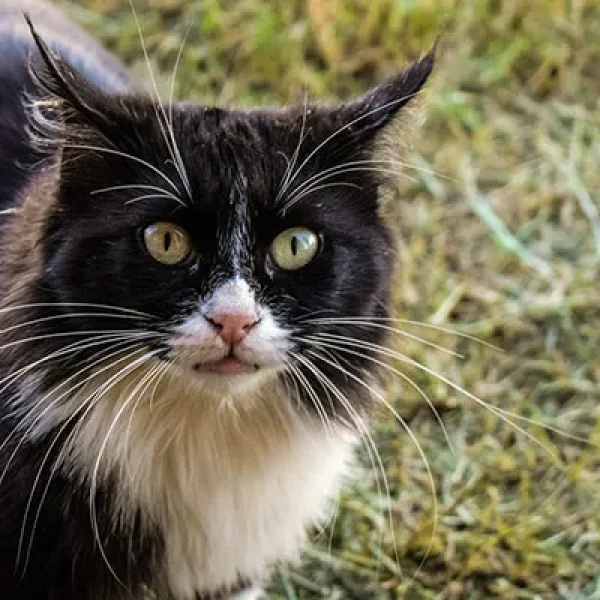
Feral cats are fiercely independent and survive (but may not thrive) without the help of humans. They avoid people and hide, back away, or flee when they spot humans. Lack of immunization, parasite control, adequate nutrition, and hygiene put feral cats at risk of many life-threatening problems. TNR (Trap, Neuter, and Release) programs are the hallmark of controlling feral cat populations.

FILTER BY SPECIES

FILTER BY TOPIC

Book Now