
Christmas Offer - Get 50% off your first Office Visit!

North Park Veterinary Hospital — From Nov 1st, we’re extending our working hours! Mon–Fri: 9 AM–8 PM | Sat & Sun: 9 AM–5 PM.   |   Emergencies are welcome.

Pet Health Library

Our Amazing Gallery

English + Dogs + Breed Characteristics

Chemotherapy
Chemotherapy is the therapeutic use of chemical agents to destroy or inhibit the growth and division of cancer cells. Usually, chemotherapy is used when tumors are widespread or when there is significant or immediate risk of spread from the primary location. It is often used following the surgical removal of tumors. In some cases, chemotherapy is started prior to surgery. The side effects of chemotherapy are related to the effects of chemotherapy on normal -as well as cancerous- cells. The principal goal of cancer care in pets is to provide cancer control without reducing quality of life.
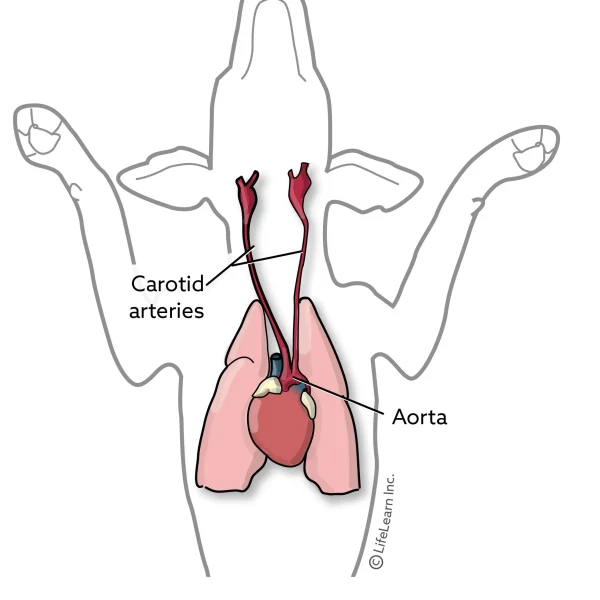
Chemodectomas (Aortic and Carotid Artery Neuroendocrine Tumors)
A chemodectoma is a type of tumor made up of chemoreceptor cells. Chemoreceptor cells detect chemical changes in the body and respond by regulating chemical or physical processes. These tumors are most often seen along one of the carotid arteries and the aorta. Brachycephalic breeds are more predisposed to these types of tumors, though they may occur in any dog breed. These tumors are usually locally aggressive, however, there are rare cases of metastasis to other organs, including the lungs, lymph nodes, and bone.
Benign Fibrous Skin Tumors
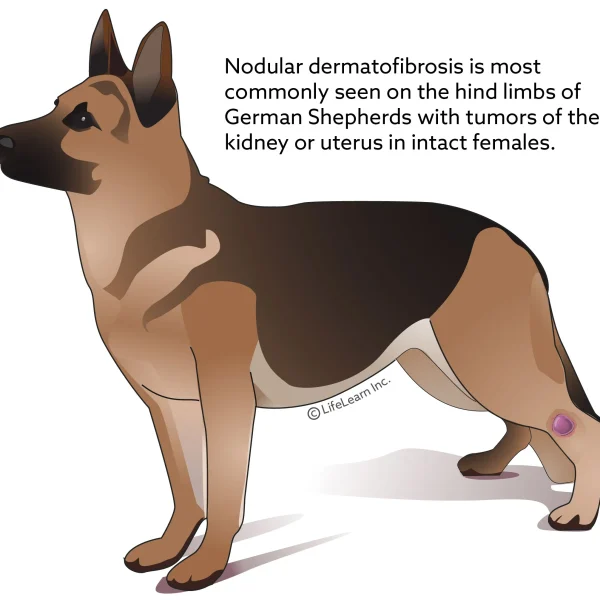
Benign fibrous skin tumors can go by many names and in many cases don’t need treatment. Surgical excision can be curative unless certain types are due to an underlying tumor elsewhere. The main focus in many cases is addressing underlying allergies or sources of pressure. To adequately diagnose these tumors, a biopsy and histopathology are usually necessary.
Basal Cell Tumors
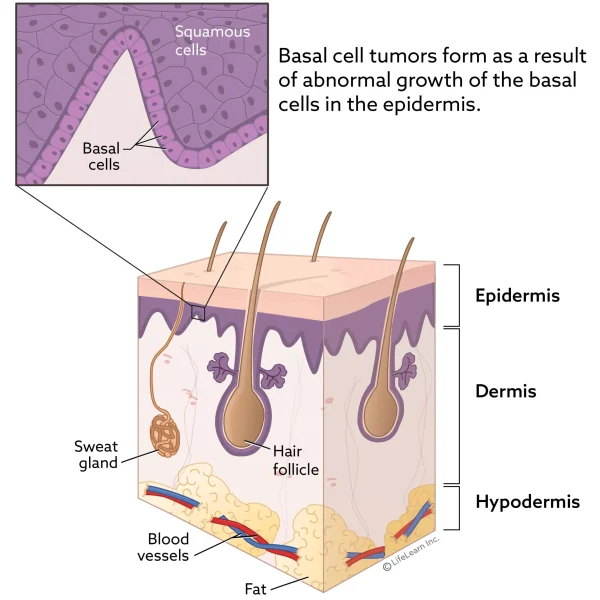
Basal cell tumors are a common type of skin tumor arising from cells in the deeper layers of the skin. They vary in size, from a few centimeters to inches in diameter, and most commonly appear as single, firm, hairless, raised masses in the skin, often on the head, neck, or shoulders. Most of these tumors are benign but removal may still be considered to prevent trauma or secondary infection. Surgical removal is curative in most cases.
Anal Sac Tumors
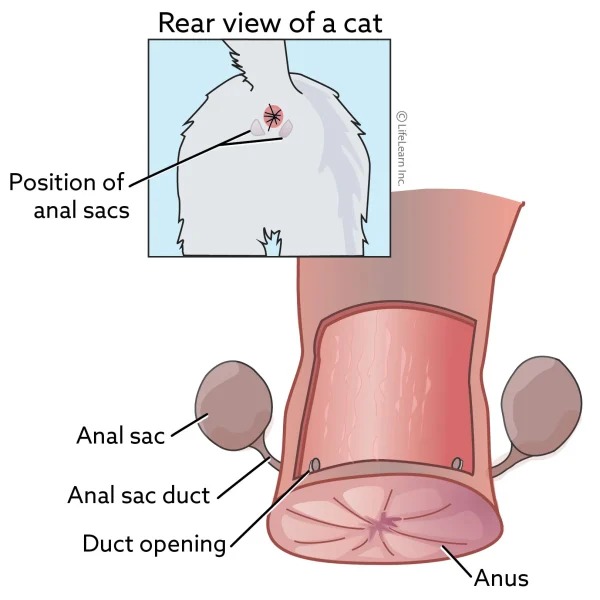
Anal sac tumors grow quickly and have a moderate risk of spreading to other parts of the body. Depending on the tumor’s size, your pet could develop signs of straining to defecate or produce thin ribbon-like stool. An increased calcium level in the blood is consistent with anal sac tumors, which can cause other signs and result in kidney failure. The best and most well-described local treatment for the primary tumor is surgery. Radiation and chemotherapy may be considered if there is evidence of spread.

FILTER BY SPECIES

FILTER BY TOPIC

Book Now