Christmas Offer - Get 50% off your first Office Visit!

North Park Veterinary Hospital — From Nov 1st, we’re extending our working hours! Mon–Fri: 9 AM–8 PM | Sat & Sun: 9 AM–5 PM.   |   Emergencies are welcome.

Pet Health Library

Our Amazing Gallery

English + Dogs + Breed Characteristics

Esophageal Tumors
Esophageal tumors are extremely rare but more often than not malignant type tumors. The cause is unknown but cases in tropical environments may be due to infection by the worm Spirocerca lupi. Treatment options are limited as surgical complications are high due to the advanced nature of the disease at time of diagnosis.
Ear Canal Tumors
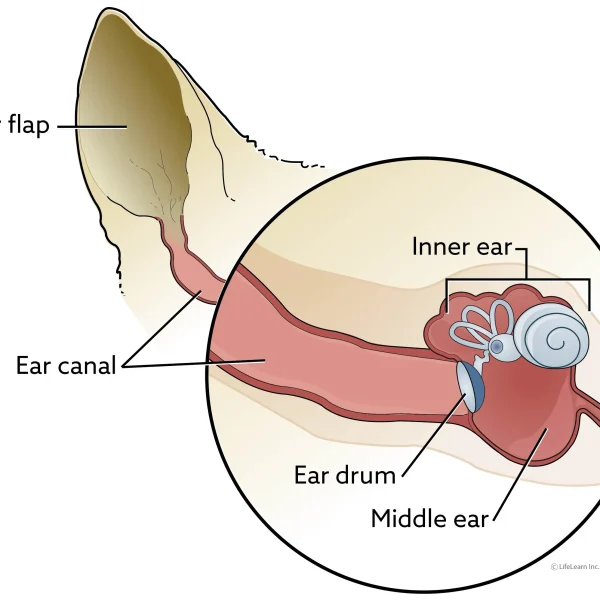
Ear canal tumors are abnormal growths that can develop from any part of the ear canal (the skin, the glands of the skin that produce earwax and oil, and the underlying connective tissues, muscles, and bones). Initially, these tumors may appear as one or more pink, white, or purple nodular masses in the ear canal. If benign, they may grow to a certain size and may or may not be problematic. If malignant, they may grow, ulcerate (break open) and bleed, and nearly always become infected, causing recurrent or chronic ear infections. The treatment of choice for ear canal tumors is surgical excision.

Cytology, Biopsy, and Histopathology
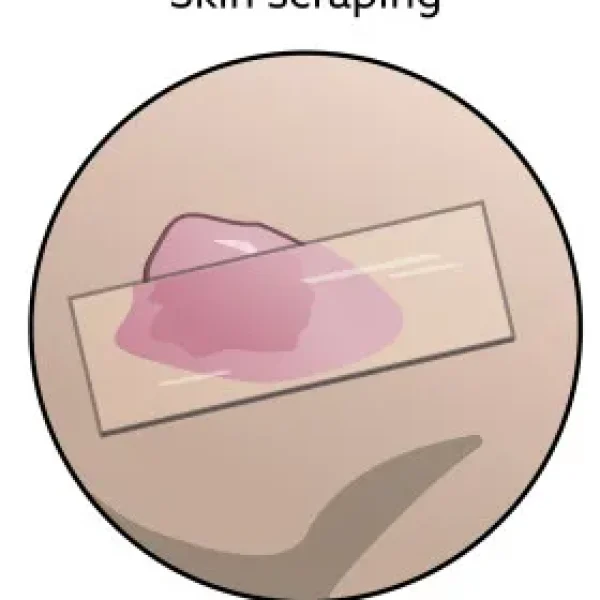
Collecting tissue samples for cytology or histopathology allow a pathologist to often give a diagnosis of the type of mass or tumor your pet has. Samples can be obtained by fine needle aspirate or biopsy, where a piece of the mass is cut out. Based on what the mass appears like under the microscope, the pathologist can often give a prognosis of how the tumor will behave.
Cutaneous Lymphoma in Cats
Skin cancers are common in cats, but cutaneous lymphoma is relatively uncommon. Less than 2% of lymphoma cases in cats occur in the skin. As the disease progresses, the skin becomes thickened, reddened, ulcerated, and may ooze fluid. The most common locations to find lesions include the junction between mucus membranes and the skin. Unfortunately, feline cutaneous lymphoma is considered incurable. Surgical removal can be attempted for solitary lesions, although the tumor often returns to the area or will have spread elsewhere in the body already
Chondrosarcoma in Cats
Chondrosarcomas arise from cartilage, which is a connective tissue primarily found where bones meet with joints, as well as at other locations in the body such as the nasal cavity, and ribs. Chondrosarcoma is a rare tumor in cats, but it can occur. Clinical signs of chondrosarcoma may vary significantly, depending on where the tumor arises. Although the mass may grow rapidly, less than 20% of feline chondrosarcoma cases metastasize to other parts of the body. Therefore, surgical removal is curative in many cases.

FILTER BY SPECIES

FILTER BY TOPIC

Book Now