Christmas Offer - Get 50% off your first Office Visit!

North Park Veterinary Hospital — From Nov 1st, we’re extending our working hours! Mon–Fri: 9 AM–8 PM | Sat & Sun: 9 AM–5 PM.   |   Emergencies are welcome.

Pet Health Library

Our Amazing Gallery

English + Dogs + Breed Characteristics

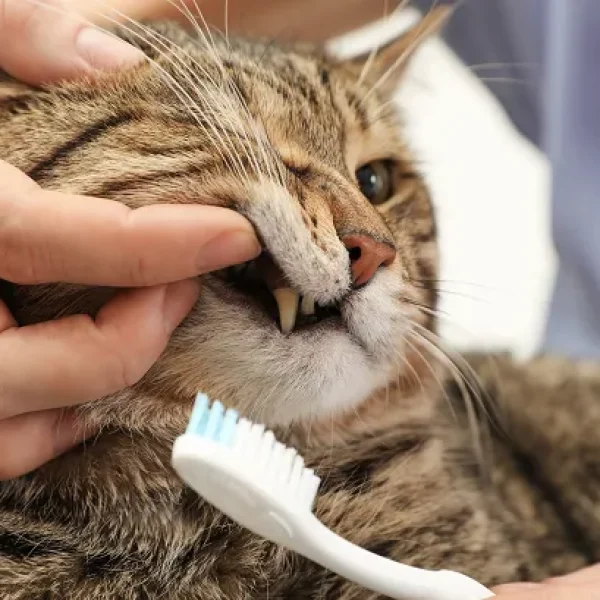
Brushing Your Cat's Teeth
Some 50-80% of all cats over the age of four have periodontal disease (infection of the tissues surrounding the teeth). Brushing three times a week is the minimum recommendation to help remove plaque and prevent tartar accumulation. To be successful at brushing your cat’s teeth, you must make it a positive experience for both of you. Do not use human toothpaste or baking soda. A list of dental products and diets that have been accepted by the Veterinary Oral Health Counsel can be found at vohc.org.
Veterinary Therapies - Combining Therapies
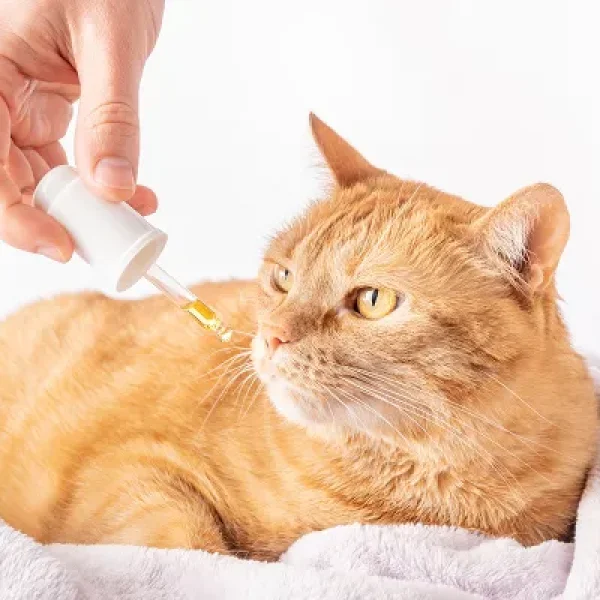
Combining alternative medical therapies, either with other alternative therapies or with more conventional treatments, may improve a patient’s health or speed the healing of disease. However, combined incorrectly, these same therapies have the potential to interfere with healing or cause serious health consequences. Veterinary practitioners trained in acupuncture, herbal therapy, and homeopathy are the best sources of information on what conventional and alternative treatments will combine well and which ones should not be used together.
Veterinary Homeopathy
Homeopathy is a distinct philosophy of medicine that has its roots in eighteenth-century Germany, and subsequently spread to Europe, India, Australia, South America, the United States, and Canada. The underlying basis of homeopathy is the principle that “like cures like”: the idea that a substance given at a toxic dose can produce a certain set of symptoms, but given in much lower doses, it can cure the same set of symptoms, regardless of their perceived cause. As veterinary homeopathy gains acceptance, there are an increasing number of veterinarians in private practice who possess the necessary training and experience.
image
Herbs are plants that contain ingredients with active therapeutic properties. These active ingredients may be present in the whole plant or only in a specific part. Herbal therapy is the use of herbs for medicinal purposes, either on their own or in combination with other herbs. Herbal treatment must be administered only after an accurate diagnosis has been made. Trained veterinary herbalists have the knowledge and skill to understand the interactions between different forms of treatment and to interpret the patient’s response to therapy. Herbal treatment of serious disease in animals without veterinary training is not advised and frequently ineffective.
Therapeutic Massage and Your Cat
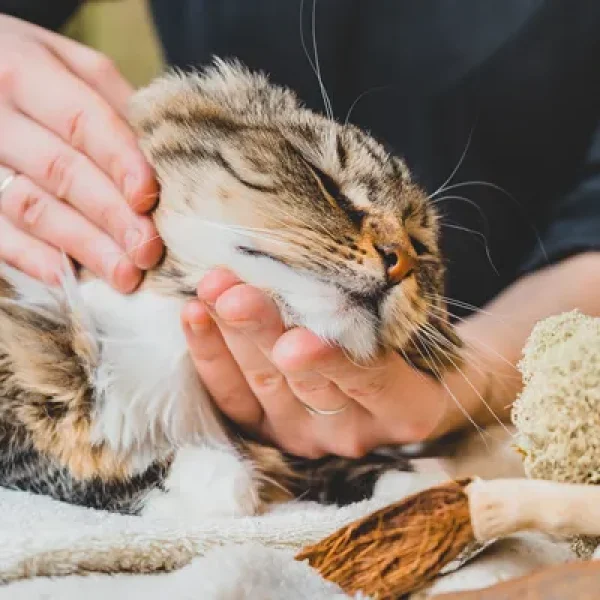
As veterinarians become more conscious of the details and nuances of how cats experience pain, they search for more methods with which to battle both acute and chronic pain in these patients. Therapeutic massage is one example of a physical medicine technique that has found a place in the feline pain management toolbox.

FILTER BY SPECIES

FILTER BY TOPIC

Book Now