North Park Veterinary Hospital — From Nov 1st, we’re extending our working hours! Mon–Fri: 9 AM–8 PM | Sat & Sun: 9 AM–5 PM.
|
Emergencies are welcome.
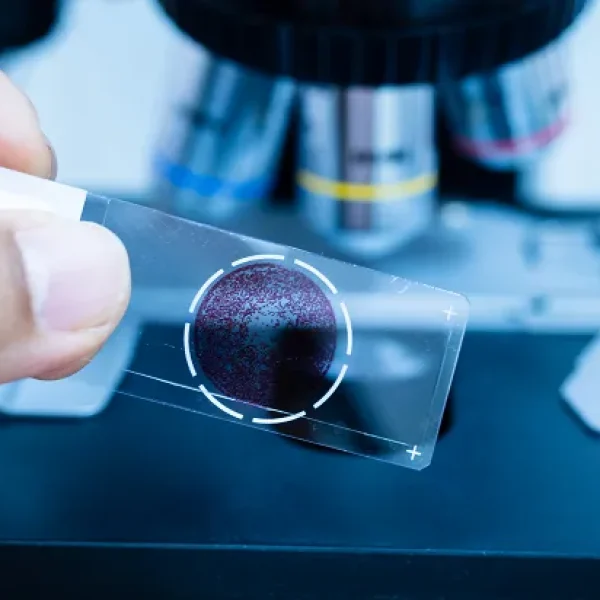
Cytology is the microscopic examination of cells that have been collected from the body. Lesions on the surface of the skin or from moist body cavities can be sampled very simply by scraping, swabbing, flushing, or making impressions of the tissue. The collected cells get looked at under a microscope and in many cases a diagnosis can be made to determine the best form of treatment.
Cytology is a useful tool to often diagnose abnormal lumps on your pet’s body as well as evaluation of fluid samples and tissue surfaces. It is relatively simple and inexpensive but can provide a lot of information. Depending on results, further tests may be indicated to best help your pet.
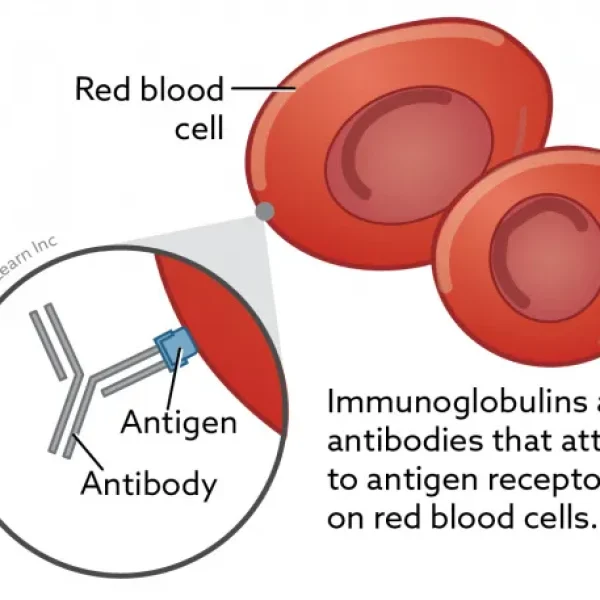
A Coombs’ test is used to test for a disease called autoimmune hemolytic anemia (IMHA). IMHA is a condition where the immune system breaks down or destroys red blood cells, leading to anemia. The test detects the presence of immunoglobulins (antibodies) on the surface of red blood cells. Taken together, the physical findings and the laboratory data (such as a Coombs’ test) may suggest that immune-mediated destruction of red blood cells is the most likely cause of your pet’s anemia.
The complete blood count (CBC) assesses different parameters of the cells in the blood including total number, appearance, size, and shape. Red blood cells, white blood cells, and platelets comprise the cellular component of the blood.
Coagulation is the series of events that result in the formation of a clot. In the body, coagulation occurs after any injury to a blood vessel or tissue, in order to stop the bleeding. Certain diseases such as liver disease and rodenticide toxicity can affect the production of clotting factors.