
Christmas Offer - Get 50% off your first Office Visit!

North Park Veterinary Hospital — From Nov 1st, we’re extending our working hours! Mon–Fri: 9 AM–8 PM | Sat & Sun: 9 AM–5 PM.   |   Emergencies are welcome.

Pet Health Library

Our Amazing Gallery

English + Dogs + Breed Characteristics

A Cleaner, Greener Home for Your Pets
There are many environmentally friendly ways that owners can care for their pets. Waste disposal can involve biodegradable or compostable bags or careful composting. Cat litter can be transitioned to recycled newspaper or sawdust pellets. Any toys, beds, houses and other accessories can be biodegradable and/or recycled such as cotton or rubber. Cats should be kept indoors to reduce their impact on the ecology of their surrounding environment. A nutritionally adequate diet composed of organic food can be provided.
Feline Infectious Peritonitis Testing
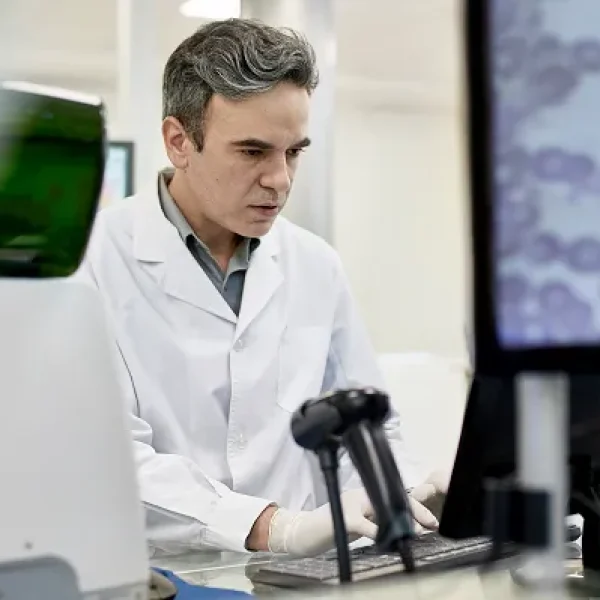
FIP is one of the most challenging diseases to diagnose because feline coronaviruses are commonly found in the intestinal tract of many healthy cats. When this virus mutates or changes, clinical disease occurs. Unfortunately, routine blood testing for feline coronavirus is not clinically useful. Instead, testing is restricted to those cats in which a diagnosis of FIP is strongly suspected due to clinical signs and other supportive laboratory data. Histopathology remains the best way to diagnose FIP in the living cat.
Fecal Occult Blood
A fecal occult blood test screens for the presence of hemoglobin (a component of red blood cells) in a fecal sample. Many conditions can cause blood to appear in the stool including intestinal ulceration, neoplasia, dental disease, and parasites.
Fecal Flotation
A fecal flotation is a screening test for internal parasites. It is performed by mixing a small sample of stool with a special solution that causes any parasite eggs to float to the surface of the solution. Young pets need multiple fecal flotations to screen for infection, while adults may only need a fecal screening once yearly unless they are at higher risk of infection.
Fecal Baermann
A fecal Baermann is a special fecal test used to diagnose infection by parasites that pass larvae in stool instead of eggs. A small golf-ball sized sample of fresh stool is mixed with warm water to encourage larvae to separate from the fecal material to allow identification. The most common parasite diagnosed with a fecal Baermann is lungworm, which typically causes signs of coughing.

FILTER BY SPECIES

FILTER BY TOPIC

Book Now