Christmas Offer - Get 50% off your first Office Visit!

North Park Veterinary Hospital — From Nov 1st, we’re extending our working hours! Mon–Fri: 9 AM–8 PM | Sat & Sun: 9 AM–5 PM.   |   Emergencies are welcome.

Pet Health Library

Our Amazing Gallery

English + Dogs + Breed Characteristics

Bromethalin Rodenticide Poisoning in Cats
Bromethalin is a common rodenticide. Cats are commonly poisoned when they find loose bait placed for rodent control. Relay toxicity, where poisoning occurs due to ingesting rodents that died from bromethalin, has been anecdotally reported in cats. Clinical signs can develop as soon as two hours after exposure and as long as 24-48 hours after exposure. There is no antidote for bromethalin, so prompt induction of vomiting by a veterinarian can be lifesaving. Prognosis is poor to grave if severe clinical signs develop such as seizures, paralysis, or coma. Patients with milder clinical signs may recover after several weeks but may have permanent neurologic damage.
Brain Injury in Cats
Brain injuries are devastating and, unfortunately, often fatal. The typical signs of brain injury in a cat include altered consciousness that may signal bleeding in the skull, decreased blood flow to the brain, or fluid causing swelling within the brain itself. There are many potential causes of brain injury and treatment will always be determined by the underlying problem that led to the injury.
Botulism in Cats
Cats are exposed to botulism by eating raw meat or dead animals containing botulinum toxin produced by Clostridium botulinum. Botulism causes ascending paralysis of the nervous system. Clinical signs are reviewed as well as diagnostic tests and treatment. Prognosis is guarded depending on the amount of toxin ingested and the degree of supportive care available. There is no vaccine.
Blood Transfusion Reactions in Cats
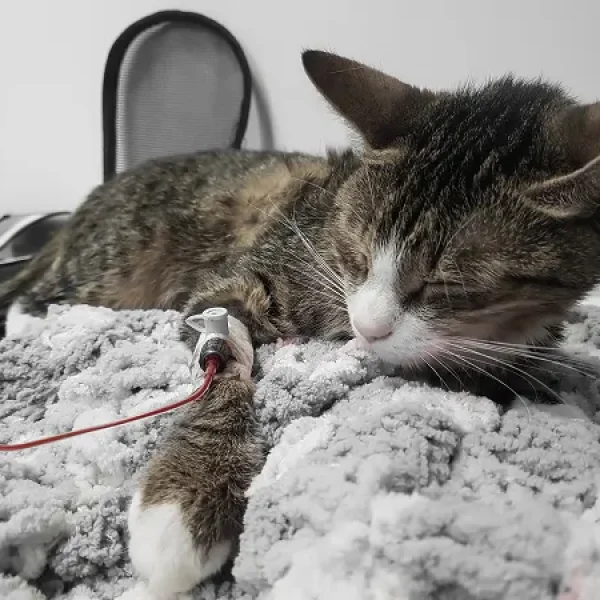
This handout summarizes the possible reactions a cat may experience when receiving a blood transfusion. Many transfusion reactions occur acutely, within seconds of starting the transfusion up to 48 hours post-transfusion. The clinical signs and treatment protocols both vary based on the type of reaction. Prior to a blood transfusion, your veterinarian may perform tests to help ensure that the donor blood is a good match for your cat.
Bladder Stones in Cats
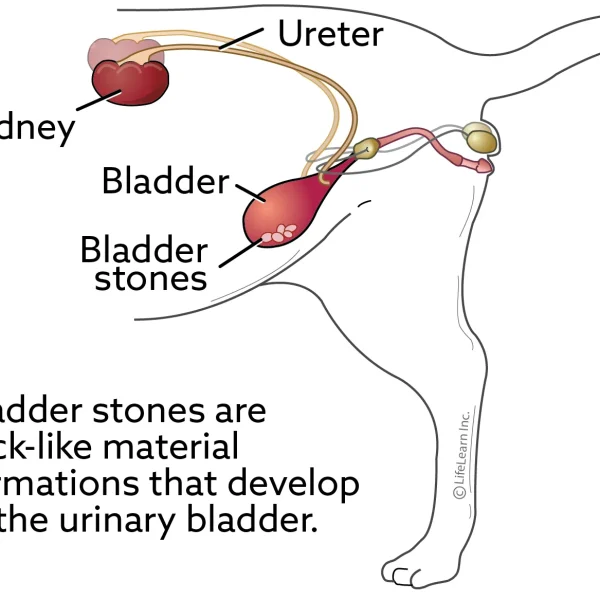
Bladder stones are rock-like formations of minerals that develop in the urinary bladder. All stones form because of disease or inflammation in the bladder. The most common signs in cats are bloody urine and straining to urinate. X-rays (with or without contrast dyes) or ultrasound may be necessary for diagnosis. The fastest way to remove bladder stones is via a surgical procedure called a cystotomy. Special diets or passing a catheter may be successful for some bladder stones. Your veterinarian will advise you of the best course of action for your cat’s situation.

FILTER BY SPECIES

FILTER BY TOPIC

Book Now