Christmas Offer - Get 50% off your first Office Visit!

North Park Veterinary Hospital — From Nov 1st, we’re extending our working hours! Mon–Fri: 9 AM–8 PM | Sat & Sun: 9 AM–5 PM.   |   Emergencies are welcome.

Pet Health Library

Our Amazing Gallery

English + Dogs + Breed Characteristics

Acetic Acid Boric Acid Otic
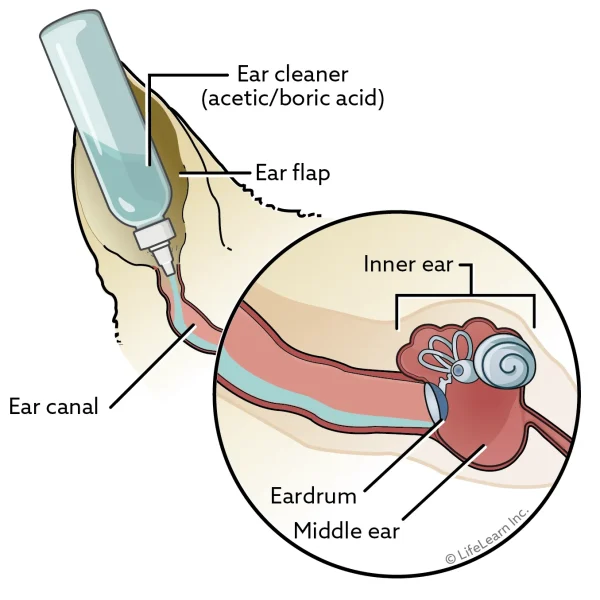
Acetic acid/boric acid otic (brand name Malacetic) is an antibacterial and antifungal medication used as an ear cleanser and drying agent in cats and dogs with ear infection. This medication may be part of a combination product. Acetic acid/boric acid otic comes as a liquid ear cleanser.
Acetic Acid Boric Acid Topical
Acetic acid/boric acid topical (brand name Malacetic) is an antibacterial and antifungal medication used to treat skin infections caused by bacteria and/or yeast in cats and dogs. Some formulations may be used to treat ear infections. This medication may be part of a combination product. Acetic acid/boric acid topical comes in shampoo, liquid (spray and dropper), and wipe form.
Acetazolamide
Acetazolamide is a diuretic used off label and given by mouth to treat glaucoma or alkalosis. The most common side effect is stomach upset, but other side effects of the central nervous system, blood, kidneys, electrolytes, blood sugar levels, liver, or skin are possible. Do not use this medication in pets with liver or kidney disease, or low sodium or potassium blood levels. Use with caution in pets with acidosis, diabetes, pregnancy or lactation. If a negative reaction occurs, please call your veterinary office.
Acepromazine
Acepromazine is a sedative/tranquilizer used primarily in cats and dogs as a pre-medication for anesthesia or for chemical restraint. It is given by injection in the clinic or by mouth in the form of a tablet. The most common side effect is low blood pressure. Acepromazine should not be used in conjunction with certain toxicities, or in pets with heart disease or low blood pressure. It should be used cautiously in pets with mild liver or heart disease, clotting problems, or in pregnant, debilitated, or young animals. If a negative reaction occurs, call your veterinary office.
Internal Parasites in Cats
This handout outlines common internal parasites in cats. Included are parasites of the gastrointestinal tract (roundworms, hookworms, and tapeworms), as well as parasites of the circulatory system (heartworms). How each of these parasites can affect your cat and what you can do to prevent or treat infection are explained.

FILTER BY SPECIES

FILTER BY TOPIC

Book Now