Christmas Offer - Get 50% off your first Office Visit!

North Park Veterinary Hospital — From Nov 1st, we’re extending our working hours! Mon–Fri: 9 AM–8 PM | Sat & Sun: 9 AM–5 PM.   |   Emergencies are welcome.

Pet Health Library

Our Amazing Gallery

English + Dogs + Breed Characteristics

Amyloidosis in Cats
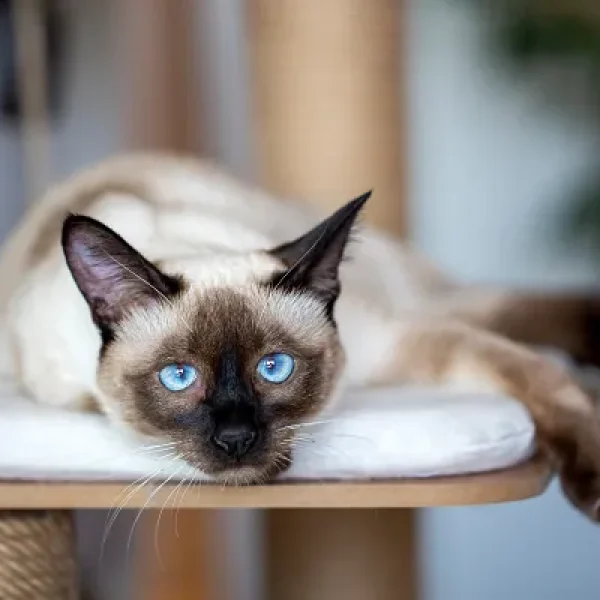
Amyloidosis occurs when amyloid proteins are deposited outside cells in various tissues and organs causing tissue and organ dysfunction. It is uncommon in cats, except for Abyssinians, Siamese, Burmese, Tonkinese, Devon Rex, and Oriental shorthair breeds. Signs depend on the organs involved, but kidney involvement is most common. If kidneys are involved, signs include mouth ulcers, weight loss, vomiting, and dehydration. For cats with liver involvement, signs include weakness, pale gum color, distended abdomen, rapid heart rate, rapid breathing, abdominal pain, and collapse.
Allergies in Cats
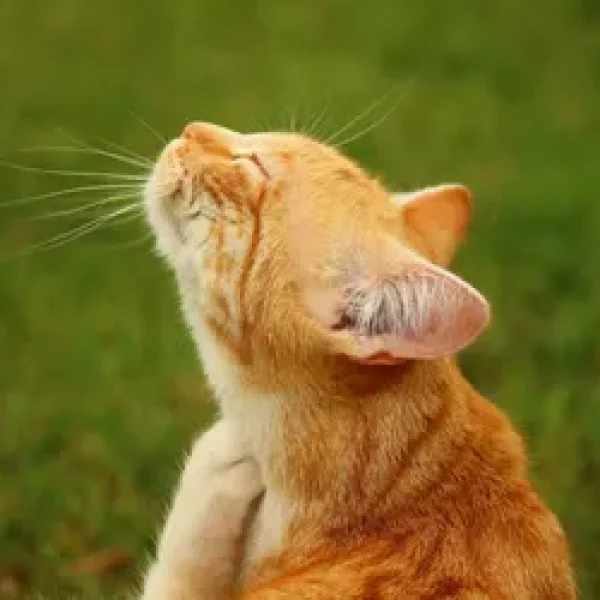
An allergy occurs when the cat’s immune system overreacts or is hypersensitive to foreign substances called allergens. There are four main types of allergies in cats, namely flea allergy, atopic dermatitis (atopy), food allergy, and contact allergy. They share common physical expressions and signs in cats, and each has unique features.
Addison's Disease in Cats
Addison’s disease, also known as hypoadrenocorticism, is a condition in which the adrenal glands do not produce enough glucocorticoids (steroids) and is considered rare in cats. When normal adrenal gland tissue is destroyed, cats often have a history of waxing and waning periods of lethargy, decreased appetite, and weight loss.
Abscesses in Cats
An abscess is a pocket of pus located somewhere in the body. Abscesses can be located superficially or deep within the body tissues. Typically, an abscess appears suddenly as a painful swelling (if it is not located inside a body cavity or deep within tissue). A cat with an abscess will often have a fever, even if the abscess has ruptured and drained to the outside of the body. One of the most common causes is a bite from another animal, but internal abscesses have other risk factors. Treatment involves removing the pocket of pus by drainage or surgery, as well as antibiotic therapy. Delayed or inadequate treatment may lead to chronically draining tracts in the tissue or even to organ system compromise, so it is important to follow all treatment instructions from your veterinarian.
Amoxicillin
Amoxicillin is given by mouth and is used on and off label to treat certain bacterial infections in a variety of species. Common side effects include gastrointestinal effects such as lack of appetite, vomiting, and diarrhea. Do not use in pets that are allergic to it or other penicillins, cephalosporins, or other beta-lactam antibiotics, or in rabbits, guinea pigs, chinchillas, hamsters, or other small mammals. If a negative reaction occurs, please call your veterinary office.

FILTER BY SPECIES

FILTER BY TOPIC

Book Now