Christmas Offer - Get 50% off your first Office Visit!

North Park Veterinary Hospital — From Nov 1st, we’re extending our working hours! Mon–Fri: 9 AM–8 PM | Sat & Sun: 9 AM–5 PM.   |   Emergencies are welcome.

Pet Health Library

Our Amazing Gallery

English + Dogs + Breed Characteristics

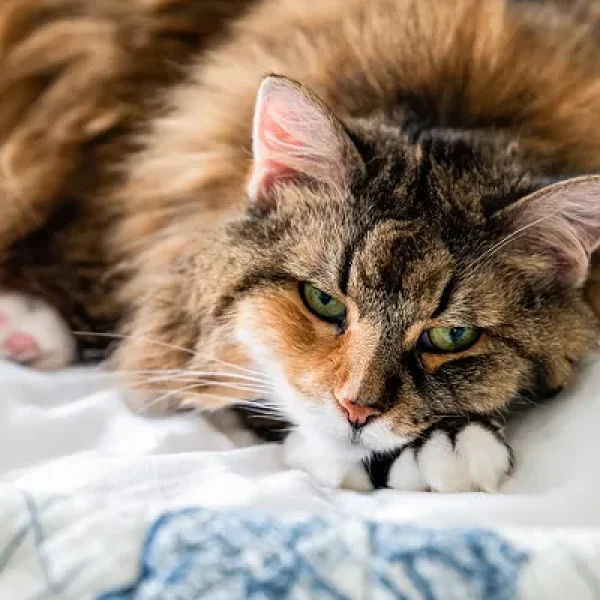
Fever of Unknown Origin in Cats
To be classified as a fever of unknown origin (FUO), the body temperature must be above 103.5°F (39.7°C) for longer than a few days, with no obvious underlying cause based on history and physical examination. A fever is beneficial to the body, but if a fever remains above 106°F (41.1°C) for more than a few days several consequences occur within the body and can be life threatening. If your pet has a fever, your veterinarian will perform a thorough physical examination, perform diagnostic blood tests, urine culture, and possibly other diagnostic tests. Antibiotics are often prescribed. Cats that have persistent fever or a fever that waxes and wanes must undergo a thorough work-up so that the cause of fever can be discovered and treated before irreversible damage occurs.
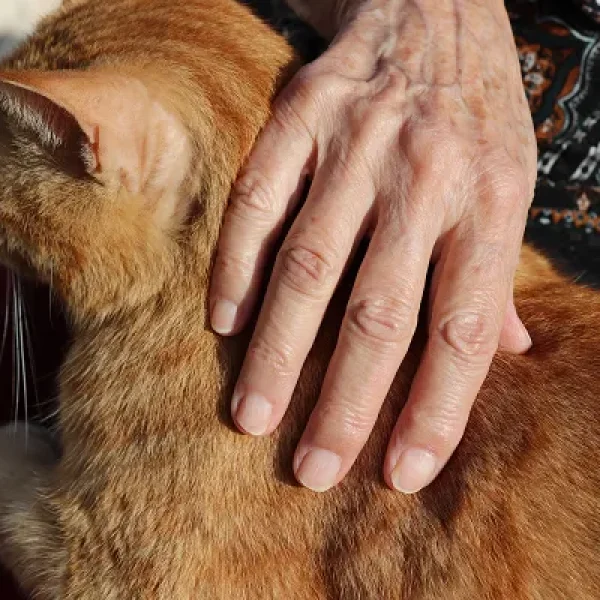
Euthanasia Decisions and Your Cat
Open and honest communication with your veterinarian and veterinary healthcare team throughout your cat’s life lays the foundation for effective communication when that cat’s life begins drawing to a close. Discussion with your veterinarian will clarify any specific medical implications of your cat’s disease that can serve as benchmarks to suggest that euthanasia should be considered. Most often, euthanasia is provided at the veterinary practice or in your home. The veterinary healthcare team will be an important partner as you negotiate the difficult days and decisions leading up to your cat’s peaceful passing.
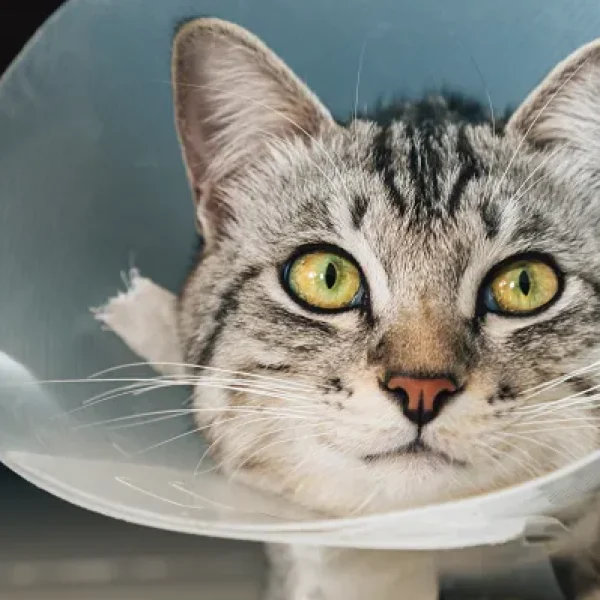
Elizabethan Collars in Cats
An E-collar or cone may be needed after your cat has surgery or if she has a wound. It can prevent your cat from licking their wound or scratching a wound on their head. Your cat should wear the E-collar following the directions provided by your veterinarian. You may need to make a few adjustments in your home to ensure your cat does not get stuck in confined spaces. It is not recommended to let your cat outdoors while she is wearing the collar. Also, you may need to adjust her feeding station to assist with eating. If your cat will not tolerate the E-collar, discuss other options with your veterinarian.
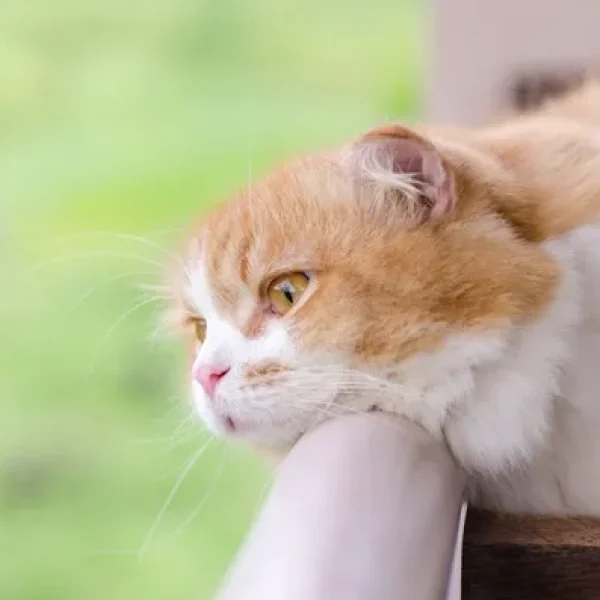
Do Cats Mourn
Just like people, your cat can mourn when there has been a loss in their world, and the symptoms are similar. There are ways that you can help, with some guidance from your veterinarian or a behaviorist if needed.
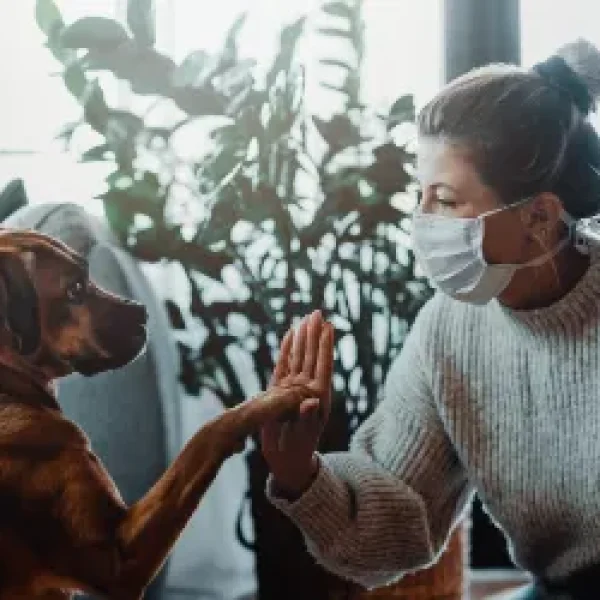
Curbside Veterinary Care2 Benefits for You and Your Pet
Hospitals providing curbside care have restructured their practice to avoid the need for clients to enter the lobby and exam rooms. This is designed to promote physical (social) distancing and reduce the spread of COVID-19. Curbside care offers a number of benefits for you and your pet. By eliminating the need for you to enter the hospital, potential COVID-19 outbreaks are reduced. The veterinary team is protected under a curbside care model, and in turn, so is your pet. Even in curbside care, you will have an opportunity to speak with your veterinarian in order to discuss findings and recommendations. To help the curbside appointment go smoothly, bring a written list of concerns or fill in any forms your practice has sent to you prior to the appointment. Curbside care truly is in the best interests of you and your pet.

FILTER BY SPECIES

FILTER BY TOPIC

Book Now