Christmas Offer - Get 50% off your first Office Visit!

North Park Veterinary Hospital — From Nov 1st, we’re extending our working hours! Mon–Fri: 9 AM–8 PM | Sat & Sun: 9 AM–5 PM.   |   Emergencies are welcome.

Pet Health Library

Our Amazing Gallery

English + Dogs + Breed Characteristics

Pet Insurance
Pet health insurance policies are primarily designed to cover accidents and illnesses. Pet insurance policies do not cover pre-existing conditions, and some have bilateral exclusions, meaning for example, if one knee has required ligament surgery, the other knee is automatically excluded for the same condition. Synthesized information about coverage and exclusions can be found on aggregator sites, such as PetInsuranceInfo (petinsuranceinfo.com). The factors that affect premiums include age, species, breed, the region you live, deductible amounts, co-insurance, and in some cases annual payout limits. Generally, it is less expensive to insure your pet when it is young and healthy, rather than waiting until it is older and more prone to illness. Educate yourself to understand the terms and conditions of the pet insurance you buy for your pet.
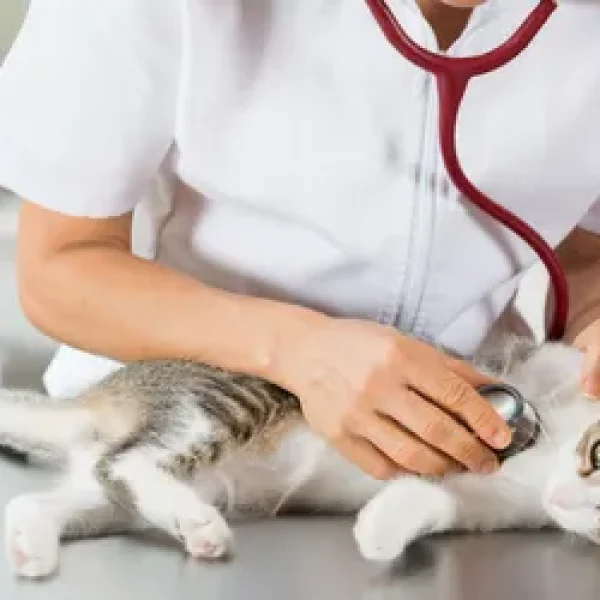
Obtaining a Veterinary Second Opinion for your Cat
If your cat has a complicated condition or is not getting well, you may want to seek a specialist referral or a second opinion. Your veterinarian will likely help you get this set up as they want what is best for your pet. You will likely need to travel in many situations for a specialty referral.
Mothball Poisoning in Cats
Mothballs are solid pesticides that slowly release a vapor to kill and repel moths, their larvae, and other insects from stored clothing and fabric. Mothballs are sometimes also used to repel snakes, mice, and other animals, although this use is not recommended and can be harmful to pets, children, and the environment.
download (58)
This handout summarizes the many options available to help celebrate your pet’s life and ways to help deal with your grief following the loss of your beloved pet.
download (2)
Grief is the normal and natural response to the loss of someone or something. It is a full body experience that includes physical, emotional, cognitive, social, and spiritual responses. The best way to manage your grief is to be reassured that these reactions are normal and to let them run their natural course. Grieving takes time. Usually it gradually lessens in intensity over time, but if it doesn’t, then professional counseling may help.

FILTER BY SPECIES

FILTER BY TOPIC

Book Now