Christmas Offer - Get 50% off your first Office Visit!

North Park Veterinary Hospital — From Nov 1st, we’re extending our working hours! Mon–Fri: 9 AM–8 PM | Sat & Sun: 9 AM–5 PM.   |   Emergencies are welcome.

Pet Health Library

Our Amazing Gallery

English + Dogs + Breed Characteristics

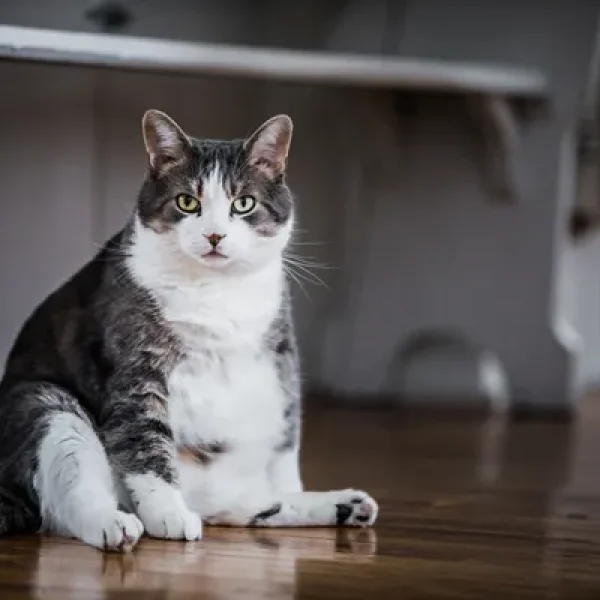
Overweight, Obesity, and Pain in Cats Prevention and Action Plans
Obesity is a common problem in cats. It results from too many calories being eaten and not enough calories being burned. Extra body fat causes increased inflammation in the body, worsening osteoarthritis and joint disease. To prevent your cat from becoming obese, speak to your veterinarian about your cat’s calorie needs and an appropriate food for your cat’s life stage. Increasing your cat’s daily activity can help prevent or reverse obesity. Be aware of your cat’s body condition and keep track of her weight.

NSAIDs (Nonsteroidal Anti-Inflammatory Drugs)
Nonsteroidal anti-inflammatory drugs (NSAIDs) are most often used to reduce pain, inflammation, and fever, much like how ibuprofen and naproxen are used by humans. In pets, they are most used around surgical procedures, after injury, or to help manage chronic pain such as that of osteoarthritis. Risks and potential side effects are discussed.
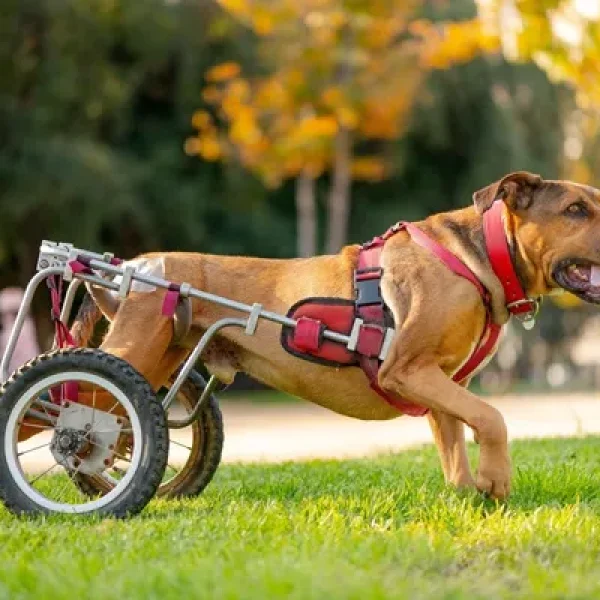
Homecare for Paralyzed Pets
Taking care of a paralyzed pet comes with many challenges. This handout reviews the needs of a paralyzed pet and how an owner can help them at home.
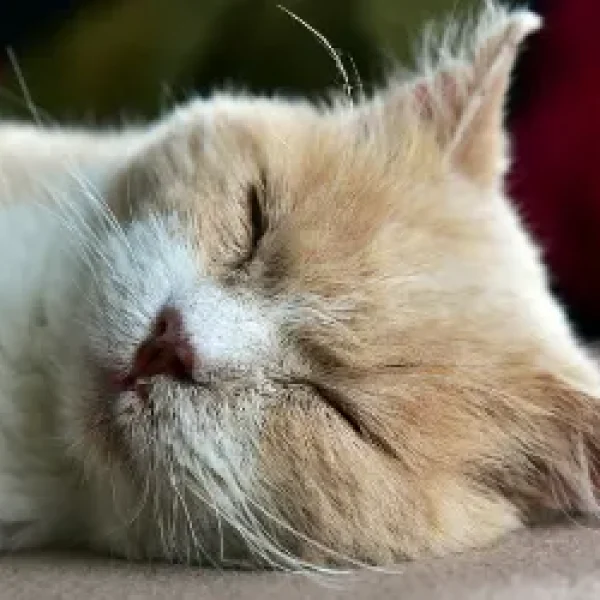
Palliative Care for Cats
Palliative medicine is care that is delivered as a cat approaches the end of life. The first step in creating a palliative care plan is to discuss with your veterinarian the expected course of the disease and how it will affect your cat’s quality of life. Once a cat’s daily life activities have been identified, it is important to define family beliefs, family needs as care unfolds, and the goals for the cat as death approaches. An essential part of establishing goals of palliative therapy is understanding the expected course of the life-limiting disease. Knowledge about disease allows for the development of a personalized palliative care plan.
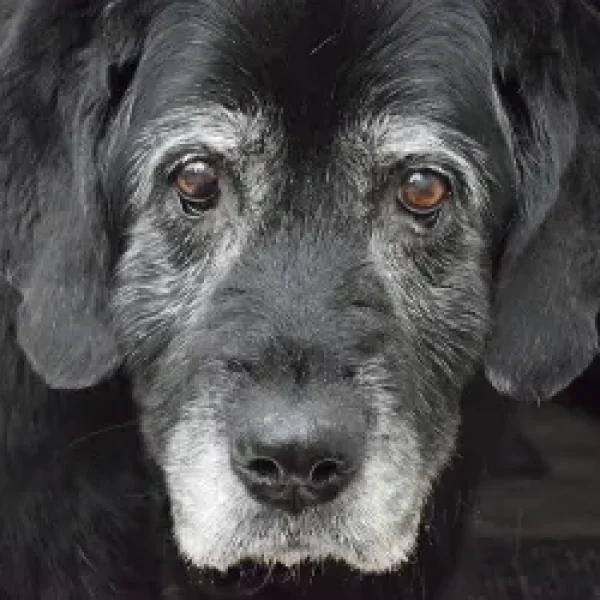
Palliative Care and Hospice for Pets Overview
Palliative care can be as easy or complex as necessary, to meet the needs of the pet and human family. Some palliative care patients benefit from massage, therapeutic laser, temperature therapy (heating or cooling devices), acupuncture, chiropractic, and physical rehabilitation techniques. Palliative care creates a bridge of care to support a pet as the time for humane euthanasia approaches. It is not a substitute for euthanasia, but it often helps us postpone euthanasia, allowing our pets to remain with us for whatever quality time remains for them.

FILTER BY SPECIES

FILTER BY TOPIC

Book Now