North Park Veterinary Hospital — From Nov 1st, we’re extending our working hours! Mon–Fri: 9 AM–8 PM | Sat & Sun: 9 AM–5 PM.
|
Emergencies are welcome.
Chronic egg-laying occurs when a female bird lays one egg after another or lays repeated clutches of eggs. Chronic egg-laying may lead to malnutrition and egg binding. There are both behavioral and medical interventions to stop chronic egg-laying.
Cleaning a bird cage should be a weekly routine. Since food particles and fecal material can harbor and entice bacterial and fungal growth, cage cleaning is extremely important to maintain a healthy environment for your bird. Soap and water make excellent cleaning solutions. Some materials, such as wood, wicker, and rope are impossible to disinfect and, therefore, should be replaced regularly.
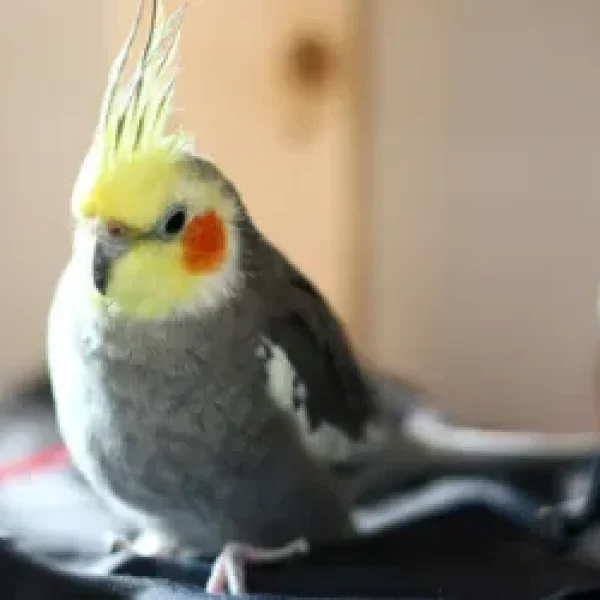
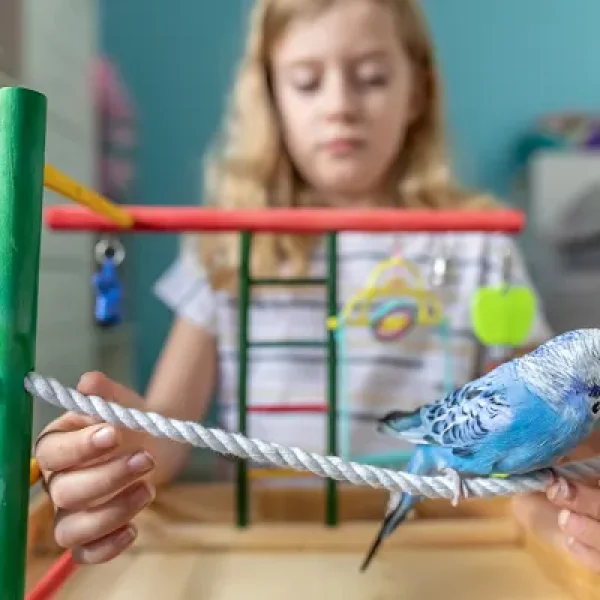
Budgerigars (parakeets) make wonderful pets. They are small birds that, with proper training, can become very tame and provide years of enjoyment. Their chatter and ability to amuse themselves make them a joy to watch.
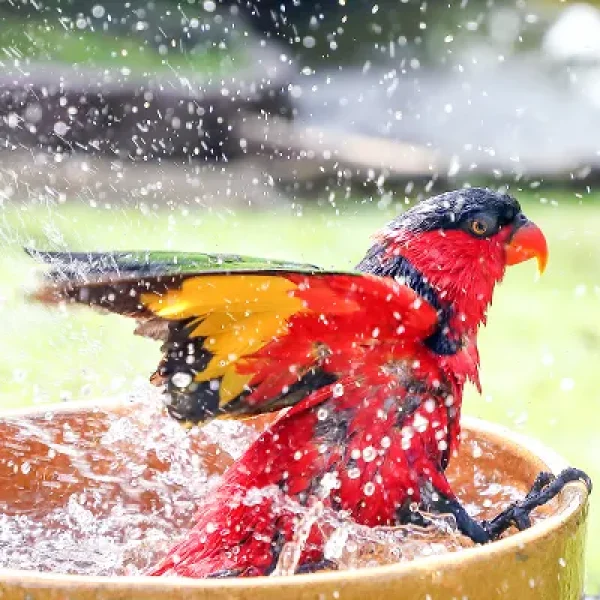
Bathing is very important for the proper maintenance of feathers. The dry air in our homes created by central heating and air conditioning is not conducive to the maintenance of healthy feathers and skin, so pet birds should be encouraged to bathe at least three to four times a week. This handout provides helpful tips and safety precautions for bathing your bird.
Parasites are not commonly diagnosed in pet birds; however, when present, they can cause generalized debilitation. With external parasites, your veterinarian can often make a diagnosis based on a physical examination and a microscopic analysis of skin lesions. Intestinal parasites are usually discovered when the feces are examined microscopically. Blood parasites are typically found during a routine blood count. All anti-parasite treatment should be under the advice of your veterinarian.