Christmas Offer - Get 50% off your first Office Visit!

North Park Veterinary Hospital — From Nov 1st, we’re extending our working hours! Mon–Fri: 9 AM–8 PM | Sat & Sun: 9 AM–5 PM.   |   Emergencies are welcome.

Pet Health Library

Our Amazing Gallery

English + Dogs + Breed Characteristics

Creating a Comfortable Home for Your Mobility Compromised Dog
Body condition scoring is an effective objective method of determining if a pet is at a healthy weight. There are 2 scoring systems: one out of 5 and the other out of 9. This handout outlines how to body condition score pets and recommends tracking body condition score to keep pets at a healthy weight, an important factor in pets living longer with less health complications.
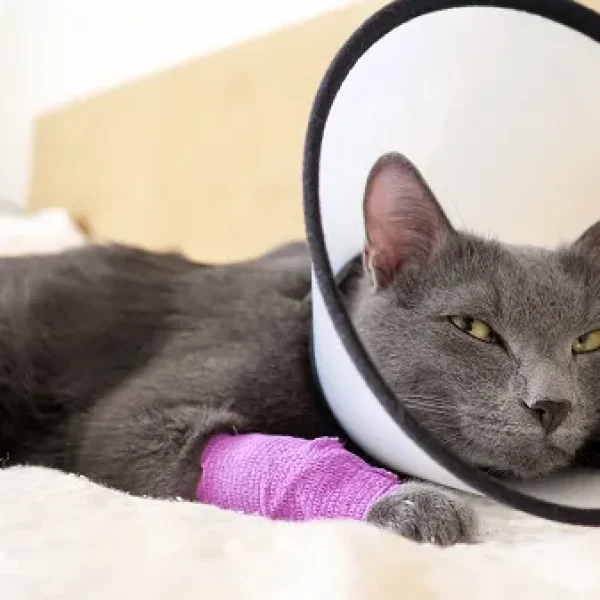
Bandage and Splint Care for Cats
Bandages and splints protect an injured or wounded area of the body. It is important to closely monitor your cat’s bandage or splint to ensure it does not slip or become wet or soiled and to ensure there is no discharge or foul odors indicating infection. This handout explains optimal bandage and splint care for your cat at home as well as possible complications that will require veterinary attention.
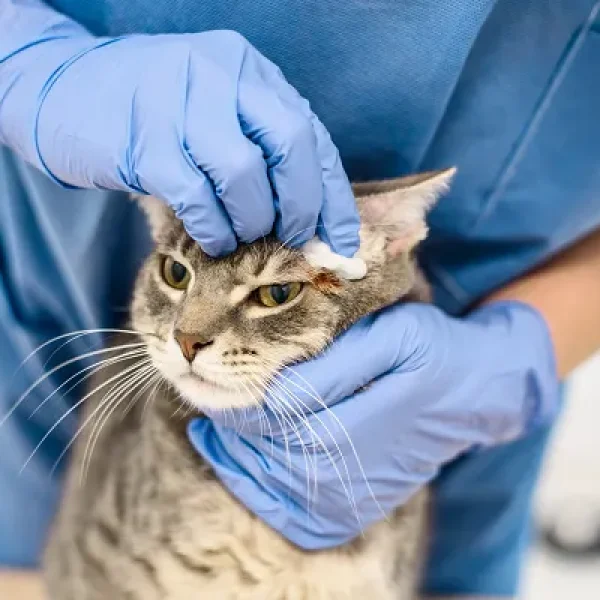
Applying Eye Drops to Cats
The proper administration of eye medication is essential for your pet’s prompt recovery. Make sure you carefully read the label and understand the prescription instructions. If you have any questions, contact your veterinarian for clarification.
Acetaminophen (Tylenol) Poisoning Alert for Dogs and Cats
Acetaminophen (Tylenol, Paracetamol, APAP, N-acetyl-p-aminophenol) is a pain relief and fever-reducing medicine people use for many types of pain. Acetaminophen is available in many forms including tablets, capsules, gel caps, melt away tablets, rectal suppositories, and liquids. Acetaminophen is often found in homes with pets. Poisoning may happen when pets get into the owner’s medications.
Applying Ointments, Creams, and Lotions on Cats
Applying topical medications to your pet can sometimes be a challenge. Creams, ointments, and lotions are for external use only. It is important to prevent your cat from licking and swallowing any of these external preparations as they may contain ingredients that could be harmful if swallowed. Most topical preparations work better if they are gently massaged in for a few moments after application. It is always a good idea to get someone to help hold your cat, especially when applying medications on a sensitive or painful area. If you still have trouble keeping your pet from licking the medication, please contact your veterinarian to get your cat fitted for an Elizabethan collar.

FILTER BY SPECIES

FILTER BY TOPIC

Book Now