Christmas Offer - Get 50% off your first Office Visit!

North Park Veterinary Hospital — From Nov 1st, we’re extending our working hours! Mon–Fri: 9 AM–8 PM | Sat & Sun: 9 AM–5 PM.   |   Emergencies are welcome.

Pet Health Library

Our Amazing Gallery

English + Dogs + Breed Characteristics

download - 2024-10-15T151103.063
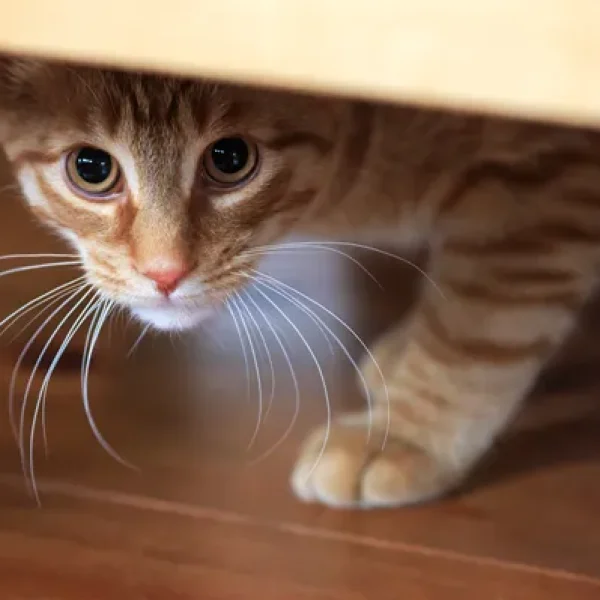
Fearful behavior in cats may develop for many reasons. Hereditary and environmental factors contribute to behavioral development. Early socialization of kittens is very important for normal development. Cats and kittens that display fearful behavior should be treated as soon as possible for the most successful outcome.
download - 2024-10-15T151455.095
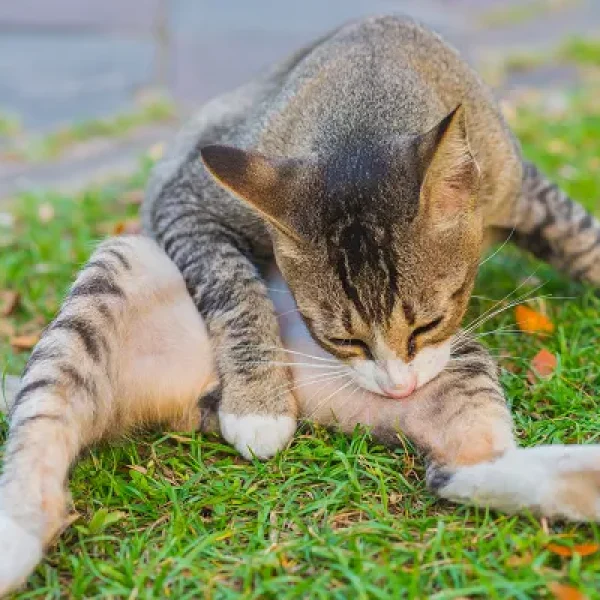
Cats that exhibit repetitive behaviors that are difficult to interrupt may be diagnosed with a compulsive disorder. Many of these behaviors have a physical basis and a thorough medical examination is always important. Anxiety and frustration can also contribute to the development of compulsive disorders. Treatment includes addressing underlying medical components and reducing stressors in the physical and social environment.
download - 2024-10-15T151038.872
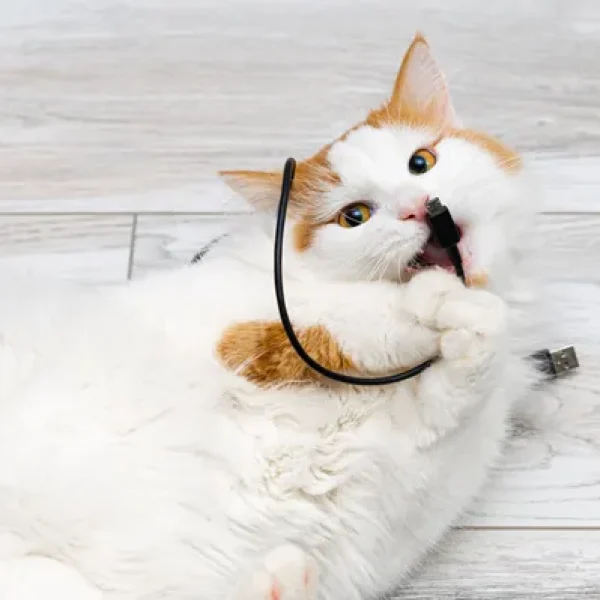
During exploration and play, cats and kittens may manipulate and chew on a variety of objects. This behavior can be easily treated, but if ignored, can cause property damage and put a cat’s safety in jeopardy. Another potentially dangerous oral behavior is sucking fabric. Any cat that excessively chews or sucks objects should have a thorough medical and behavioral work-up to determine the underlying cause.
woman-examining-dog-with-stethoscope-RXTCHY7-1024x1024
The leading causes of aggressive behavior among household cats are territorial aggression, fear-based aggression, and incompatible personalities. There may be more than one type of aggression occurring simultaneously. This explains the common forms of inter-cat aggression and how they may be prevented.
woman-examining-dog-with-stethoscope-RXTCHY7-1024x1024
Redirected aggression occurs when a cat is aroused by another animal, person or event, but is unable to direct aggression toward the stimulus. For example, your cat is sitting on a windowsill and sees another cat out on the property.

FILTER BY SPECIES

FILTER BY TOPIC

Book Now