Christmas Offer - Get 50% off your first Office Visit!

North Park Veterinary Hospital — From Nov 1st, we’re extending our working hours! Mon–Fri: 9 AM–8 PM | Sat & Sun: 9 AM–5 PM.   |   Emergencies are welcome.

Pet Health Library

Our Amazing Gallery

English + Dogs + Breed Characteristics

download (14)
Hedgehogs can have several unique problems, including cancer, dental disease, obesity, and foreign bodies. It is important for an owner to understand what these problems are so veterinary care can be provided to their hedgehog when needed and in a timely manner.
download (13)
Rabbits have incisors plus molars in the back of the mouth for grinding and chewing. Rabbits also have two small, tube-shaped incisors (peg teeth) behind the large upper incisors. Since the teeth continuously grow, the upper teeth must meet the lower teeth to allow for proper wearing of tooth surfaces, preventing overgrowth. All teeth must meet and wear at the same rate as they are growing, or improper tooth wear and overgrowth of the incisors and/or molars can occur. Overgrown teeth can cause many problems and lead to pain and infection. Rabbits with chronic dental problems need regular veterinary care. Feeding rabbits a diet of mainly high-fiber hay to promote chewing and teeth wear may help reduce the development of dental problems.
woman-examining-dog-with-stethoscope-RXTCHY7-1024x1024
Chinchillas are generally hardy animals but are susceptible to several unique health conditions; understanding them will help you care for your pet and manage potential health problems. This handout describes the most common conditions seen in pet chinchillas.
download (11)
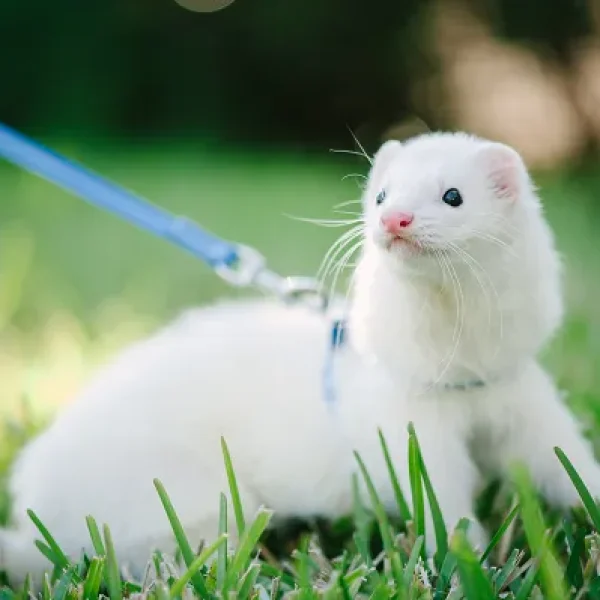
Malignant lymphoma (lymphosarcoma) and leukemia are among the most common malignancies seen in ferrets. Diagnosis may be made by fine needle aspiration or biopsy. For a dedicated owner with a compliant patient, surgery and/or treatment with chemotherapy is an option. Remission of lymphoma is possible with treatment in ferrets, but recurrence is common. Ferrets also commonly develop insulin-producing tumors of the pancreas that lower the ferret’s blood sugar and cause weakness, weight loss, lethargy, seizures, coma, and death. Insulinoma commonly spreads from the pancreas to the liver, so surgical removal of pancreatic insulinoma nodules may not be curative. Affected ferrets respond well for months to years to medical therapy with glucose-promoting drugs (prednisone) and anti-insulin drugs (diazoxide). Drugs suppress effects of the tumor but do not eliminate it; and ferrets on medical treatment must have their medications increased over time as the tumor grows.
download (12)
Ferrets can suffer from tumors in any part of their body, ranging from benign cancers of the skin to aggressive malignant tumors of internal organs. The clinical signs depend on the type of tumor, the organ involved, and the stage of the disease. For a dedicated owner with an otherwise healthy-looking patient, treatment with chemotherapy is a very good option.

FILTER BY SPECIES

FILTER BY TOPIC

Book Now