Christmas Offer - Get 50% off your first Office Visit!

North Park Veterinary Hospital — From Nov 1st, we’re extending our working hours! Mon–Fri: 9 AM–8 PM | Sat & Sun: 9 AM–5 PM.   |   Emergencies are welcome.

Pet Health Library

Our Amazing Gallery

English + Dogs + Breed Characteristics

download (40)
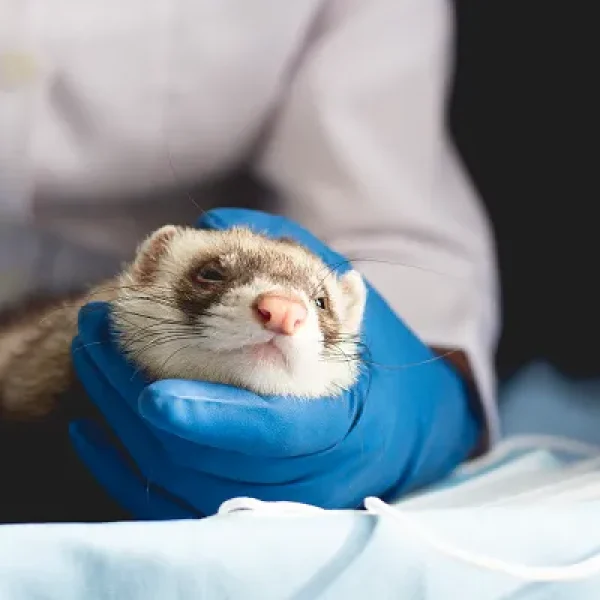
An insulinoma is a cancerous condition involving the beta cells of the pancreas. Beta cells are the cells that produce insulin. Clinical signs may include pawing at the mouth, weight loss, tremors, collapse, abnormal behavior, depression, lethargy, and confusion. Treatment can be medical, surgical, or both with proper dietary management.
download (35)
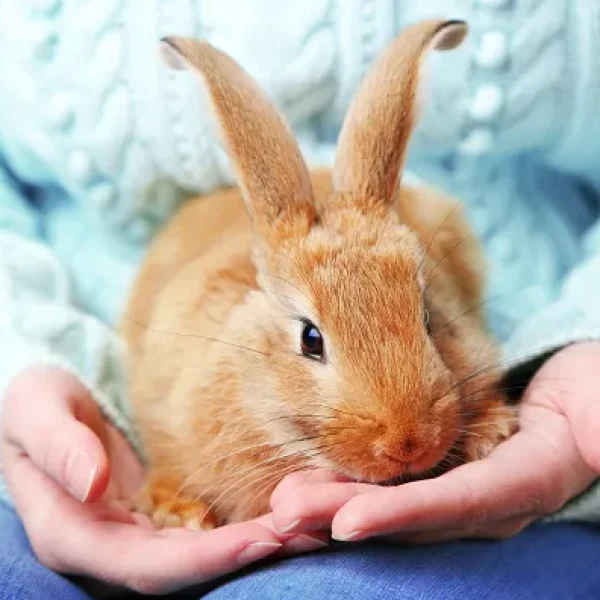
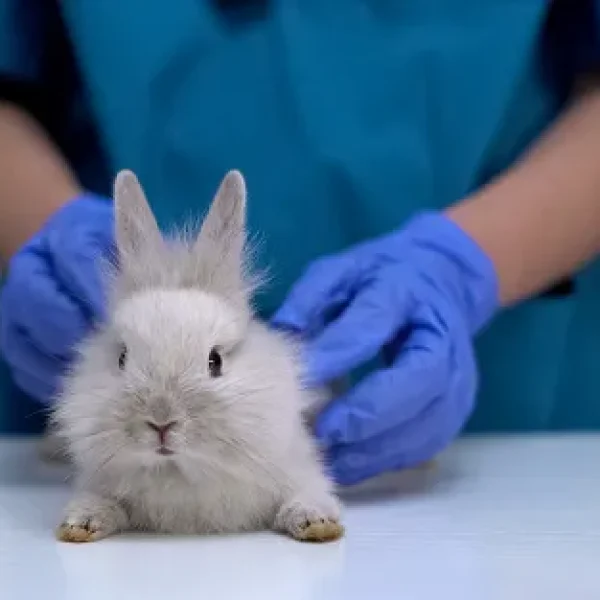
There are four major infectious diseases seen in pet rabbits: myxomatosis, rabbit hemorrhagic disease (RHD), encephalitozoonosis, and pasteurellosis. This handout discusses the causes, signs, and treatments for these diseases. Be sure to have your rabbit checked annually by a veterinarian to keep them as healthy as possible and minimize problems.
download (39)
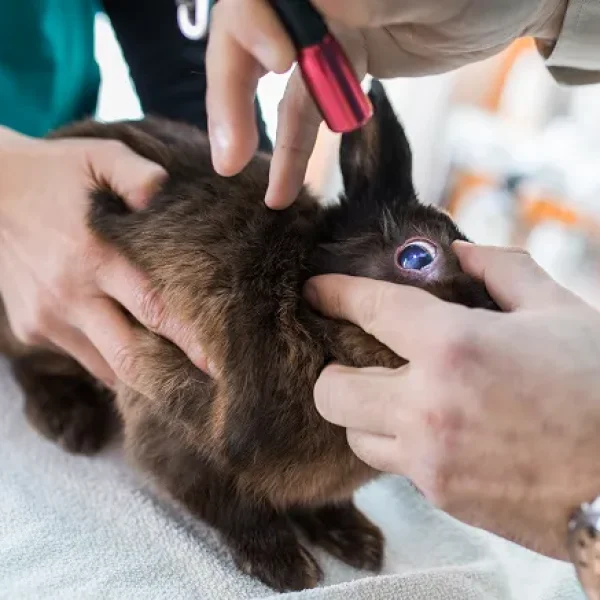
Encephalitozoonsis is a parasitic infection that can affect the kidneys, eyes, and nervous systems of rabbits. Many infected rabbits do not develop clinical signs until they are older or if they become stressed or immunocompromised. Common signs that may develop include heavy white plaques/growths inside one or both eyes, head tilt, eye twitching, and tremors or seizures. Treatments are available, though not all rabbits respond.
download (38)
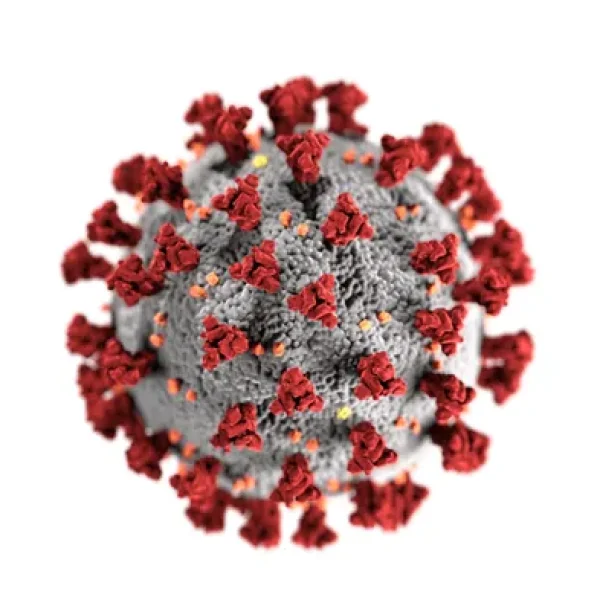
COVID-19 is a disease caused by the coronavirus SARS-CoV-2. Current evidence suggests that person-to-person spread is the main source of infection. While there is evidence of transmission from humans to dogs and cats, it does not appear common. If you suspect that you are ill with COVID-19, you should take the same precautions with your pet as you would with people.
download (37)
Cheyletiellosis in rabbits is a condition caused by the common rabbit mite, Cheyletiella parasitovorax. This mite’s effects are sometimes called “walking dandruff” because they are large, whitish mites that crawl across the skin and hair of a rabbit and cause excessive flaky skin. Other clinical signs of cheyletiellosis include itching, scratching, and hair/fur loss. This species of mites can live in the environment for a short time and affect people and other animals, so it is important to follow your veterinarian’s recommendations for treating the environment and all pets in the household.

FILTER BY SPECIES

FILTER BY TOPIC

Book Now