
Christmas Offer - Get 50% off your first Office Visit!

North Park Veterinary Hospital — From Nov 1st, we’re extending our working hours! Mon–Fri: 9 AM–8 PM | Sat & Sun: 9 AM–5 PM.   |   Emergencies are welcome.

Pet Health Library

Our Amazing Gallery

English + Dogs + Breed Characteristics

download (50)
Telemedicine is the act of practicing medicine from a distance and your appointment will be conducted by a licensed veterinarian. Before your appointment, gather information on your pet’s history and your current concern. Look at a calendar and write down a timeline of your pet’s problems. Be prepared to answer questions that you would normally be asked at an in-person appointment. Write notes to help you remember everything. Most telemedicine appointments involve the use of some type of video chat. Conduct your visit in a quiet area with good lighting and have your pet with you before the call starts. Not all concerns can be addressed through telemedicine. If your veterinarian is unable to arrive at a diagnosis via telemedicine, he or she can help you determine the next step for your pet to ensure that he or she receives optimal care.
download (49)
The most common conditions affecting pet prairie dogs are: obesity, dental problems, cardiac disease and intestinal parasites. Regular scheduled veterinary examinations will be of great benefit to help discover problems or diseases before they cause a critical illness.
download (48)
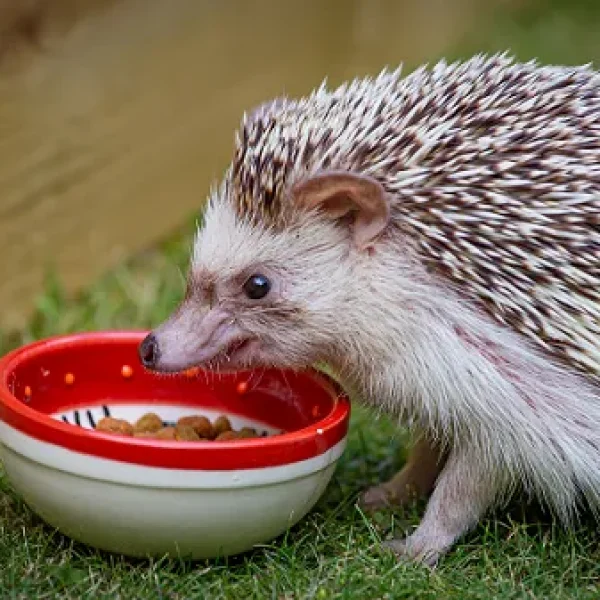
Hedgehogs can have several unique problems, including cancer, dental disease, obesity, and foreign bodies. It is important for an owner to understand what these problems are so veterinary care can be provided to their hedgehog when needed and in a timely manner.
download (47)
Common conditions of pet hedgehogs include internal and external parasites, ringworm, cancer, pneumonia, gastrointestinal disease, and obesity. Signs of illness or disease are often vague and non-specific, such as lack of appetite and lethargy. Therefore, any deviation from your hedgehog’s normal habits should be cause for concern and should be evaluated by your veterinarian.
download (43)
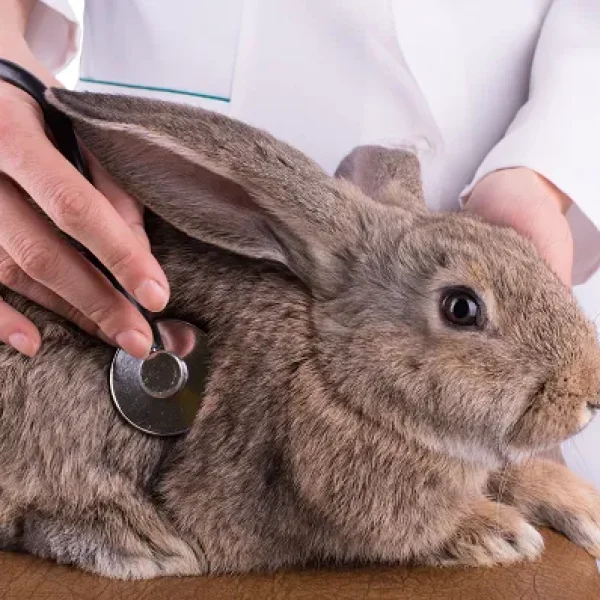
Pet rabbits have several unique problems and disease concerns. Dental disease is very common in pet rabbits, as are gastrointestinal problems. Rabbits have unique gastrointestinal tracts and need a high-fiber, low-carbohydrate diet to help keep the normal GI bacteria fermenting their food. Rabbits need a soft bedding area to prevent sore hocks from forming. Rabbits that eat high-calcium, alfalfa-based diets or high-calcium vegetables are prone to developing bladder stones that must be removed surgically. Bunnies housed at temperatures over 80°F are prone to heat stroke.

FILTER BY SPECIES

FILTER BY TOPIC

Book Now