Christmas Offer - Get 50% off your first Office Visit!

North Park Veterinary Hospital — From Nov 1st, we’re extending our working hours! Mon–Fri: 9 AM–8 PM | Sat & Sun: 9 AM–5 PM.   |   Emergencies are welcome.

Pet Health Library

Our Amazing Gallery

English + Dogs + Breed Characteristics

download - 2024-10-14T162048.621
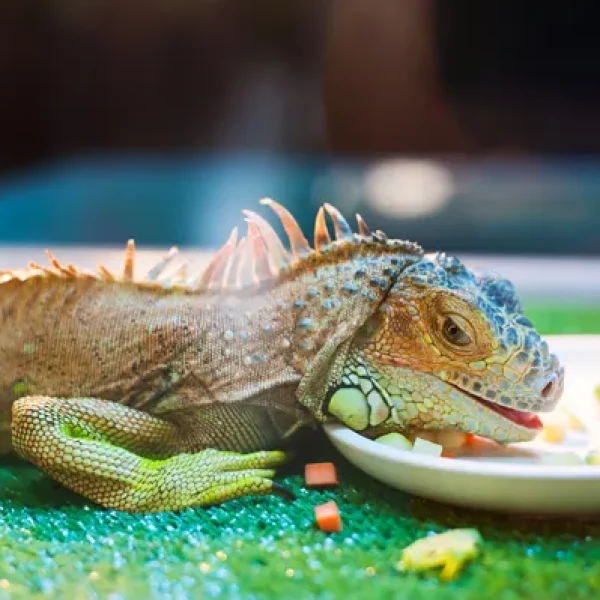
This article outlines general guidelines on food intake and supplementation for iguanas. Opinions vary on the nutritional needs of captive iguanas and our knowledge in the subject is continually expanding based on new dietary studies in reptiles. Check with your veterinarian for specific nutritional needs for your pet iguana.
download - 2024-10-14T154926.358
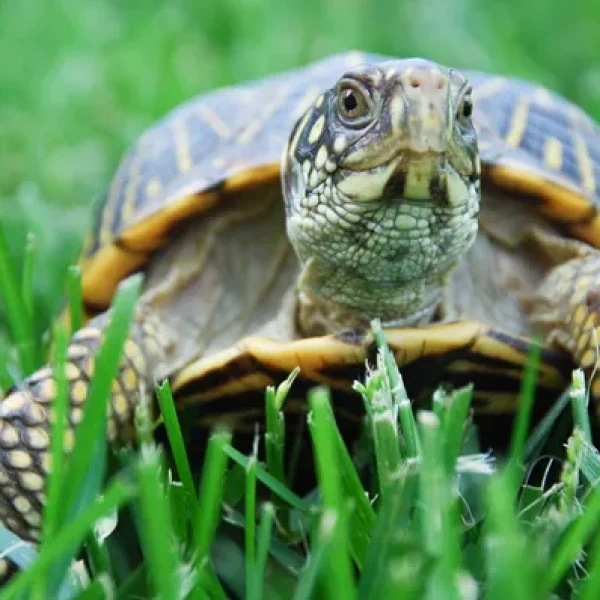
Box turtles may be housed indoors or outdoors, depending on environmental conditions, in an escape-proof enclosure that ensures the animal’s safety from predators or household pets and from other dangers inside. A 20-gallon aquarium is usually adequate to begin with, depending on the size of the turtle, but as your turtle grows, you may need to provide it with a 60-100-gallon aquarium. This article discusses types of bedding to consider, light requirements, and additional features your turtle may need, as well as outdoor housing options and safety considerations.
download - 2024-10-14T154911.905
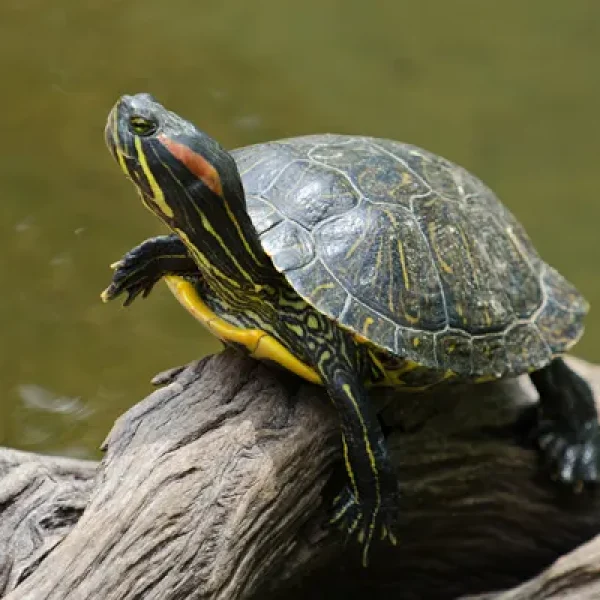
Aquatic turtles should be kept in an aquarium that is as large as possible, with enough water for the turtle to swim, a heated and dry area where the turtle can bask, a heat source, and a source of ultraviolet (UV) light. This article discusses how to keep the aquarium clean, proper temperature gradient, how to set up a basking area, using plants or rocks in the aquarium, UV light requirements, and other health and safety considerations.
download - 2024-10-14T154655.864
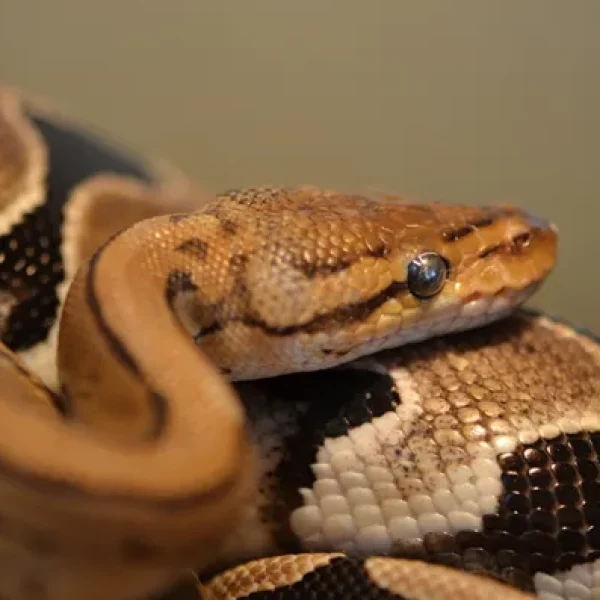
All snakes are carnivores. Some eat warm-blooded prey (rodents, rabbits, birds), while others eat insects, amphibians, eggs, other reptiles, fish, earthworms, or slugs. Live prey should not be fed to snakes. Snakes can be offered thawed, previously frozen prey, or freshly killed prey. Smaller or younger snakes usually eat twice each week, while larger, more mature snakes typically eat once every week or two.
download - 2024-10-14T154558.657
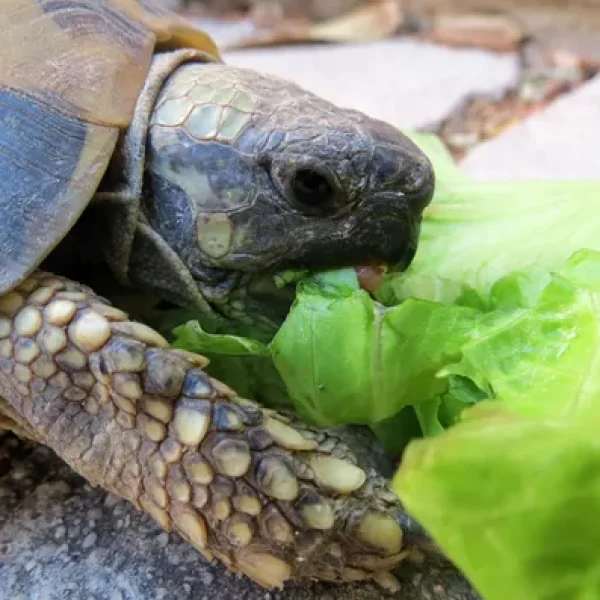
Box turtles are omnivorous. Generally, your box turtle’s diet should be about 50% plant-based material and 50% animal-based material, but be sure to discuss a specific diet plan for your turtle with your veterinarian. Most young turtles eat daily, while older turtles can be fed either daily or every other day. This article discusses the best foods for your turtle, supplements, water, and light requirements for optimal nutrition.

FILTER BY SPECIES

FILTER BY TOPIC

Book Now