Christmas Offer - Get 50% off your first Office Visit!

North Park Veterinary Hospital — From Nov 1st, we’re extending our working hours! Mon–Fri: 9 AM–8 PM | Sat & Sun: 9 AM–5 PM.   |   Emergencies are welcome.

Pet Health Library

Our Amazing Gallery

English + Dogs + Breed Characteristics

Cataracts in Cats
A cataract is an increase in opacity of the eye’s lens. Any type of inflammation or damage to the lens can lead to a cataract. The clinical signs of cataracts vary depending on the size of the cataract; many cataracts are asymptomatic at the time they are diagnosed during a veterinary exam. The ideal treatment for cataracts is surgery, but not all cats are candidates for surgical treatment. In these cases, anti-inflammatory medications may be used to prevent glaucoma and other secondary complications of cataracts.
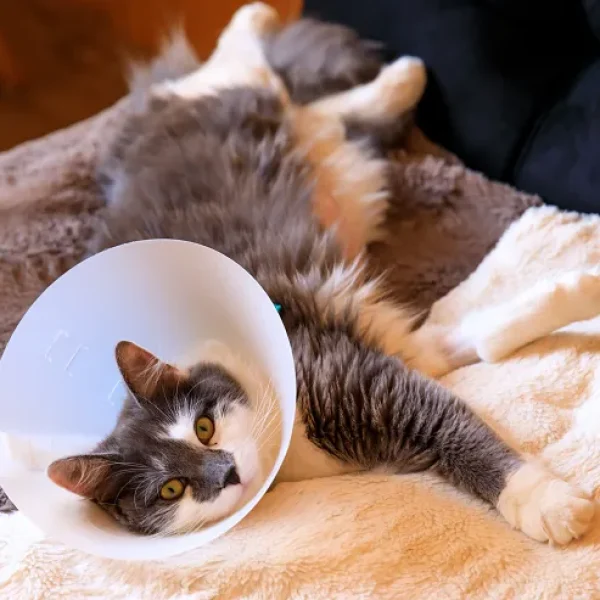
Care of Surgical Incisions in Cats
The general instructions for incision care are the same for all surgical incisions. There may be some differences, however, depending on the type of surgery and the material used to close the incision. This handout is a guide to caring for your cat’s surgical incision(s) at home for optimal recovery.
Calcium Oxalate Bladder Stones in Cats
Calcium oxalate bladder stones are composed of a mineral called calcium oxalate. Cats are more likely to develop oxalate stones when their urine contains high levels of calcium and oxalate. Additionally, a low urine pH promotes the formation of oxalate stones. Bladder stones can cause significant inflammation and irritation of the bladder wall. Signs may include frequent urination, straining to urinate, blood in the urine, and urinating outside of the litterbox. Male cats especially are at risk of a life-threatening urinary obstruction. Treatment options and prognosis are discussed.
Bladder Stones in Catsg
Brachycephalic airway syndrome refers to a particular set of upper airway abnormalities that affect brachycephalic cats. The most common sign of the condition is mouth breathing and, in the long term, the increased effort associated with breathing can put a strain on the cat’s heart. Surgery is the treatment of choice whenever the anatomical abnormalities interfere with a cat’s breathing.
Bowel Incontinence in Cats
Bowel incontinence is the loss of the ability to control bowel movements. There are two broad causes of fecal incontinence: reservoir incontinence and sphincter incontinence. In reservoir incontinence, intestinal disease interferes with the rectum’s ability to store normal volumes of feces. In sphincter incontinence, a structural or neurologic lesion prevents the anal sphincter from closing normally. Clinical signs, diagnostic testing, and treatment vary based on the underlying cause.

FILTER BY SPECIES

FILTER BY TOPIC

Book Now