Christmas Offer - Get 50% off your first Office Visit!

North Park Veterinary Hospital — From Nov 1st, we’re extending our working hours! Mon–Fri: 9 AM–8 PM | Sat & Sun: 9 AM–5 PM.   |   Emergencies are welcome.

Pet Health Library

Our Amazing Gallery

English + Dogs + Breed Characteristics

Conures - General Information
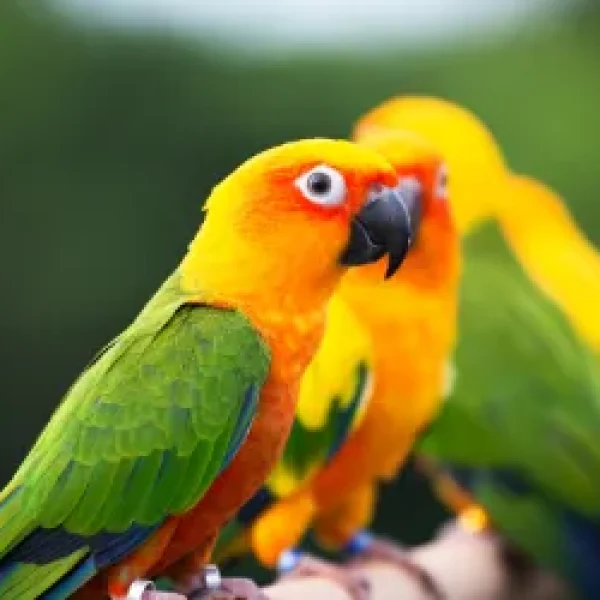
Conures are considered small- to medium-sized birds and are characterized by long slender bodies, long tapered tails, and large beaks. Tame conures can be very affectionate, social birds that demand a moderate amount of daily attention. Conures are not well known for their capacity to speak but often scream loudly. Some conures commonly kept as pets include the jenday conure, blue-crowned conure, nanday conure, mitred conure, sun conure, green-cheeked conure, and maroon-bellied conure. Young birds may be easier to tame and train than older, wild-caught, or colony- or parent-raised birds. New birds should be exposed early to different events to help them become calmer, more well-adjusted pets. After bringing your new bird home, you should have it examined by a veterinarian familiar with birds to help ensure that it is healthy. Like all other pet birds, conures require annual, routine veterinary health check-ups.
Common Conditions of Pet Birds
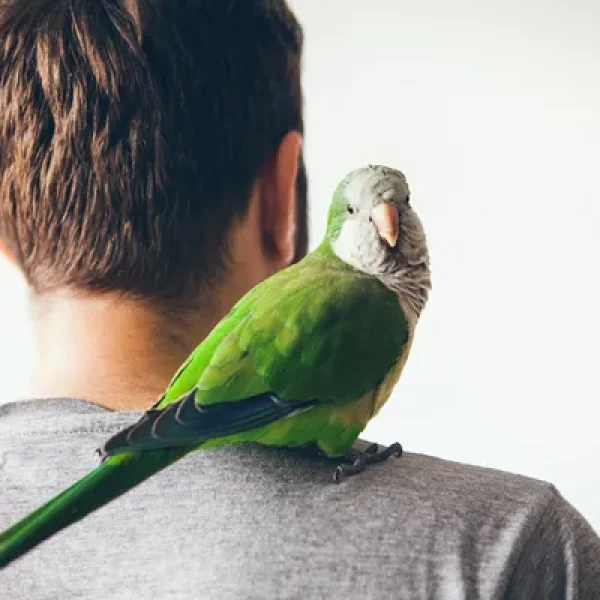
Pet birds often become ill when they are not cared for or fed appropriately. Birds can develop infections with bacteria (e.g., Chlamydia psittaci) and parasites (e.g., Giardia). They also commonly suffer from reproductive problems (e.g., egg binding and tumors) and feather-picking. Birds on all-seed, high-fat diets may become obese and develop fatty liver syndrome. Older birds may develop cloacal papillomas or cancer. Your veterinarian familiar with birds will formulate an appropriate diagnostic and treatment plan if your pet bird becomes ill.
Cockatoos are a suitable family pet for families with adult children. Their jumpy nature and strong bite make them inappropriate for families with young children. These birds are high maintenance both physically and emotionally, as they demand a lot of attention and a great deal of time outside their cages. Without adequate attention, cockatoos sometimes become excessively boisterous and are potentially destructive. Cockatoos need to chew, so provide a continuous supply of non-toxic wood or cardboard bird-safe toys. Cockatoos may be adopted from shelters or purchased from pet stores or reputable breeders. They require annual, routine veterinary health check-ups to help prevent disease.
Cockatiels - General Information
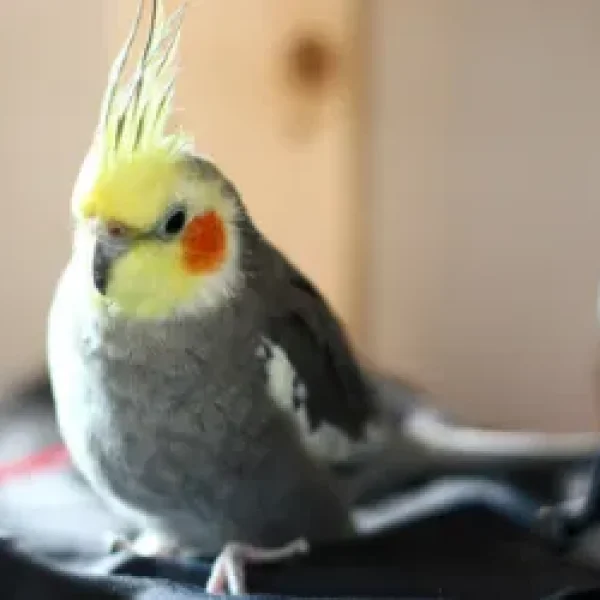
Cockatiels make excellent first birds for families. Larger than budgies and smaller than larger parrots, these entertaining birds are easy to maintain and provide endless hours of entertainment and companionship. They are beautiful flyers and enjoy lots of activity and play. Cockatiels love to chew, so providing bird-safe toys will distract them from unwanted destructive chewing. They may be adopted from shelters or purchased from a pet store or a reputable breeder. They require annual, routine veterinary health check-ups to help prevent disease and help maintain a long-lasting, healthy relationship between you and your bird.
Beak and Nail Care in Birds
Elongated beak and/or toenails are reasons for veterinary care in all pet birds. Beaks should not be trimmed regularly unless performed by an avian veterinarian. Toenail trimming may be done at home, but only when taught by an experienced bird breeder/owner or avian veterinarian.

FILTER BY SPECIES

FILTER BY TOPIC

Book Now