Christmas Offer - Get 50% off your first Office Visit!

North Park Veterinary Hospital — From Nov 1st, we’re extending our working hours! Mon–Fri: 9 AM–8 PM | Sat & Sun: 9 AM–5 PM.   |   Emergencies are welcome.

Pet Health Library

Our Amazing Gallery

English + Dogs + Breed Characteristics

Head Halter Training for Dogs
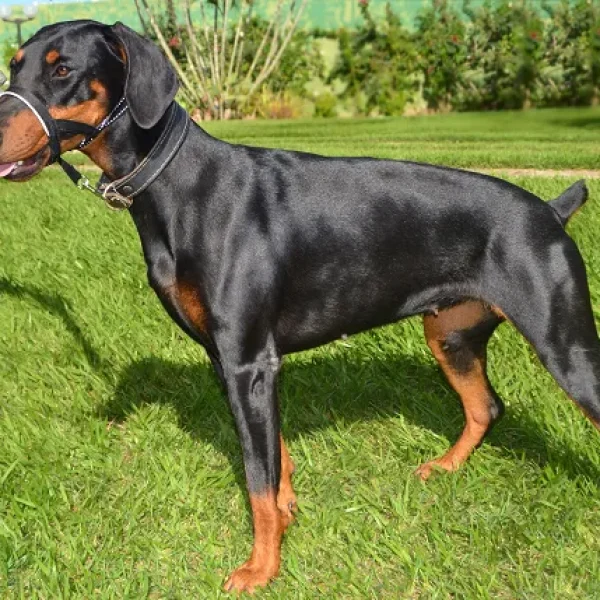
Head halters can provide better control and safety for some dogs. A proper fit with gentle leash handling and positive reinforcement training is required to make a head halter successful. Some dogs may find the head halters aversive, which means it is not the right tool for them.
Veterinary Homeopathy
Homeopathy is a distinct philosophy of medicine that has its roots in eighteenth-century Germany, and subsequently spread to Europe, India, Australia, South America, the United States, and Canada. The underlying basis of homeopathy is the principle that “like cures like”: the idea that a substance given at a toxic dose can produce a certain set of symptoms, but given in much lower doses, it can cure the same set of symptoms, regardless of their perceived cause. As veterinary homeopathy gains acceptance, there are an increasing number of veterinarians in private practice who possess the necessary training and experience.
Guilty or Innocent Do pets know they have done something wrong when they act guilty
Head down. Eyes averted. Shoulders hunched. Tail thumping the floor. Body retreating. Your pet looks guilty, maybe even apologetic, right? WRONG! Your pet’s body posture and attitude do not indicate guilt or remorse but represent a response to your body posture and attitude.
Getting Your Puppy Started Off Right
When you bring a new puppy into your home, there is inevitably a period of adjustment. The adjustment will be easier if you plan how you will meet the puppy’s needs and provide a positive experience, safe socialization, supervision, and structure. Puppies can be exhausting at times, but raising a puppy is intensely rewarding.
Tumors Xanthomas in Birds
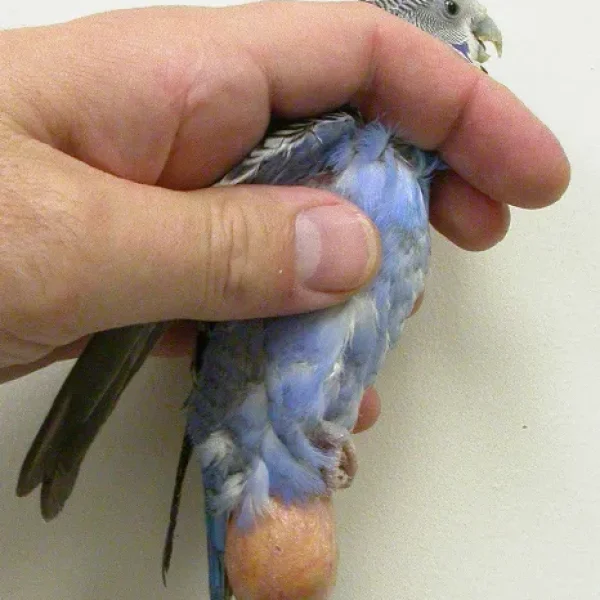
Xanthomas are discrete masses or diffuse, thickened areas of skin that are yellow-orange and dimpled in appearance. They are accumulations of fat and cholesterol and are most commonly found in cockatiels and budgies (and they are more often found in females).

FILTER BY SPECIES

FILTER BY TOPIC

Book Now