Christmas Offer - Get 50% off your first Office Visit!

North Park Veterinary Hospital — From Nov 1st, we’re extending our working hours! Mon–Fri: 9 AM–8 PM | Sat & Sun: 9 AM–5 PM.   |   Emergencies are welcome.

Pet Health Library

Our Amazing Gallery

English + Dogs + Breed Characteristics

Feeding Pet Cockatoos
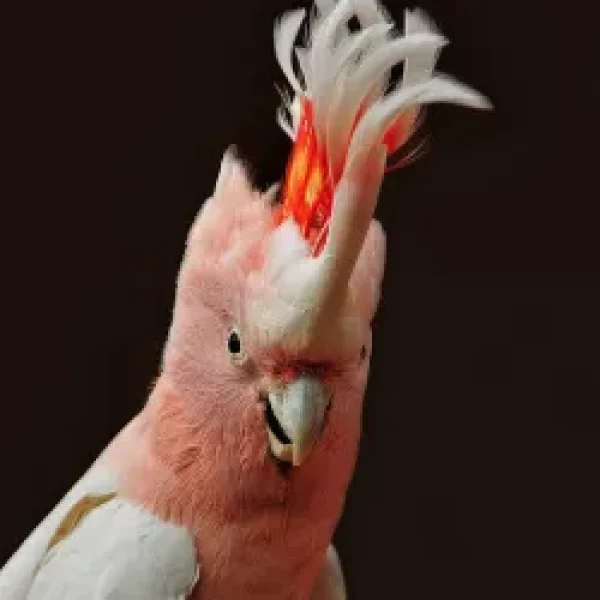
As with all other animals, birds need a proper balance of carbohydrates, proteins, fat, vitamins, minerals, and water. Cockatoos are vulnerable to vitamin A deficiency, high cholesterol, atherosclerosis, stroke, insufficient dietary calcium, egg-binding, and other nutrition-related problems. Seeds are highly palatable and preferred by birds, but nutritionally they are incomplete, lacking vitamins, minerals, and protein. Fruits, vegetables, and greens should account for no more than 20-25% of the daily diet. Pellets are the ideal diet for birds and should ideally represent approximately 75-80% of the bird’s diet. Converting seed-eating birds onto a formulated diet is not always easy, taking days, weeks, or months. Consult your veterinarian if you encounter any problems with this transition or with the health of your bird. In general, birds on a pelleted diet do not need supplements. Cockatoos do not need gravel or grit because they remove the outer hull of the seed before ingesting the kernel.
Feeding Pet Cockatiels
As with all other animals, birds need a proper balance of carbohydrates, proteins, fat, vitamins, minerals, and water. Poor nutrition is a common reason for many health problems in birds. Cockatiels are vulnerable to vitamin A deficiency, insufficient dietary calcium, egg-binding, and other nutrition-related problems. Seeds should only be a very small part of a balanced diet. Fruits, vegetables and greens should account for no more than 20-25% of the daily diet. Pellets are the ideal diet for birds and should ideally represent approximately 75-80% of the bird’s diet. Converting seed-eating birds onto a formulated diet is not always easy, taking days, weeks, or months. Consult your veterinarian if you encounter any problems with this transition or with the health of your bird. Placing powdered supplements on the outside of seeds is of little value, since birds remove the outer hulls from seeds before ingesting them. Cockatiels do not need gravel or grit because they remove the outer hull of the seed before ingesting the kernel.

Life Skills for Pets Crate Training and Confinement for Puppies and Dogs
Crate training is useful in many situations, such as providing a safe place when home alone or unsupervised. Dogs that are calm in their crates experience less distress when they need to travel, visit the veterinary hospital, or stay at a boarding facility. Starting while your dog is young makes training easier, but even adult dogs can be trained to relax in a crate. If your dog shows signs of distress (e.g., prolonged vocalization, eliminating inside the crate, trying to escape, salivation) while using the training methods provided in this handout, consult your veterinarian.
Feeding Meyer's Parrots
Our knowledge of bird nutrition is constantly evolving. This is due both to heightened awareness of the importance of nutrition and to increased research into birds different needs. As with all other animals, birds need a proper balance of carbohydrates, proteins, fat, vitamins, minerals and water. Different species of birds often require different foods.
Feeding Lories and Lorikeets
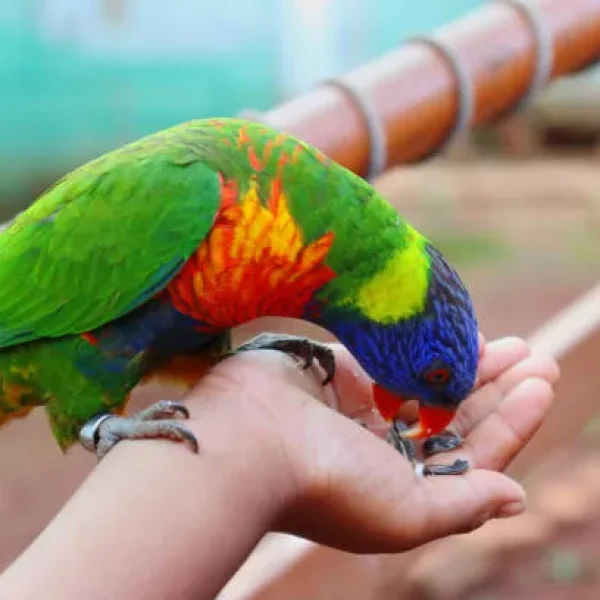
Lories and lorikeets are also known as “brush tongued parrots” due to their unique tongues that are adapted for their highly specialized dietary needs. Lories and lorikeets eat a high moisture-containing diet and have relatively short digestive tracts when compared with other parrots. This combination makes for a very quick transit time of food through the gastrointestinal tract which is why lories and lorikeets eat often and produce frequent and very loose droppings. Lories and lorikeets eat nectar and pollens in the wild. They also consume soft foods like fruits, berries, blossoms, and buds. There are a number of excellent commercially available nectar and pollen substitutes available for feeding lories and lorikeets. Feeding these diets can be complicated, as their high-sugar content makes them susceptible to rapid spoilage once mixed with water. If lories and lorikeets eat spoiled food, they can be prone to developing gastrointestinal tract infections with yeast and bacteria. Lories and lorikeets can also be successfully maintained on several commercially available brands of pelleted diets and tend to have firmer stools when fed pellets. A large variety of diced fruits should be cut up in pieces and offered every day along with nectar substitute or pellets. Lories and lorikeets often use their water dishes to bathe in. Water dishes must be refilled often to keep them clean. Junk food, including chocolate, caffeinated products, alcoholic beverages, and foods high in salt or fat should not be offered. In general, birds eating 75-80% of their diet in the form of nectar, pollen, or pellets do not need supplements.

FILTER BY SPECIES

FILTER BY TOPIC

Book Now