Christmas Offer - Get 50% off your first Office Visit!

North Park Veterinary Hospital — From Nov 1st, we’re extending our working hours! Mon–Fri: 9 AM–8 PM | Sat & Sun: 9 AM–5 PM.   |   Emergencies are welcome.

Pet Health Library

Our Amazing Gallery

English + Dogs + Breed Characteristics

Muzzle Training for Dogs
In an emergency situation, a dog that can easily wear a muzzle can be easily and safely handled. Dogs may show aggressive behavior when frightened or in pain and having a muzzle ensures that no one will be injured and that your dog will be able to be taken to the hospital. Muzzles can also be helpful as part of treatment for behavioral conditions such as fear-based aggression.
Moving with Your Dog
Most dogs seem to take moving in stride, if they are with are with their familiar social group. Try to anticipate changes in the dog’s routine and introduce the changes prior to the move. Familiarize your dog with any novel noises that might be associated with the new home. If there will be new pets or people in the new home, arrange introductions ahead of time in a neutral location. When you arrive at your new home, give your dog plenty of time to adjust before trying to leave him alone.
Loose Leash Walking With Dogs
Dogs pull ahead and lunge forward on leash for several reasons. Loose leash walking is a complex skill that requires patience, planning, and persistence. Positive reinforcement training is effective for teaching dogs how to walk nicely on a leash once their welfare needs have been met.
Living with a Deaf Dog
Dogs can have hearing loss due to increasing age or chronic ear infections, or they may be born with a defect. Deafness in dogs can present some challenges, but overall they can have healthy, normal lives. Training is still possible by making some modifications and incorporating hand signals. It is important to take their deafness into account when considering their safety and ensure that they are never off leash on or near a street.
Feeding Pet Conures
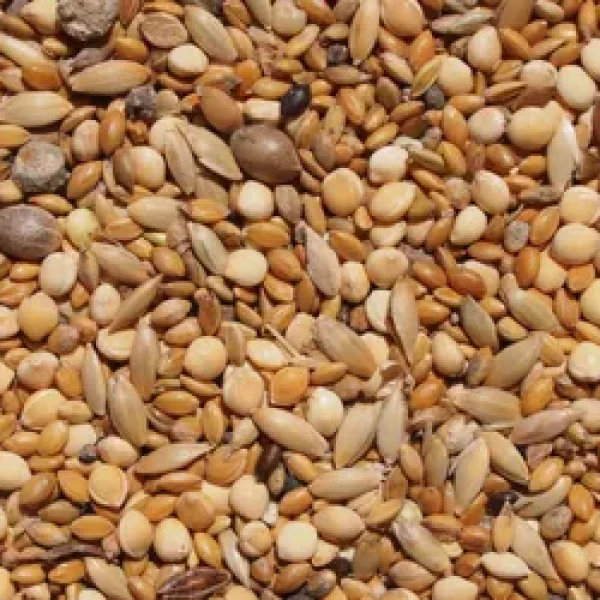
As with all other animals, birds need a proper balance of carbohydrates, proteins, fat, vitamins, minerals, and water. Conures are vulnerable to vitamin A deficiency, insufficient dietary calcium, egg-binding, and other nutrition-related problems. Seeds are highly palatable and preferred by birds, but nutritionally they are incomplete, lacking vitamins, minerals, and protein. Fruits, vegetables, and greens should account for no more than 20-25% of the daily diet. Pellets are the ideal diet for birds and should ideally represent approximately 75-80% of the bird’s diet. Converting seed-eating birds onto a formulated diet is not always easy. Consult your veterinarian if you encounter any problems with this transition or with the health of your bird. In general, a bird that is eating 75-80% of its diet in the form of pelleted food does not need supplements. Conures do not need gravel or grit because they remove the outer hull of the seed before ingesting the kernel.


FILTER BY SPECIES

FILTER BY TOPIC

Book Now