Christmas Offer - Get 50% off your first Office Visit!

North Park Veterinary Hospital — From Nov 1st, we’re extending our working hours! Mon–Fri: 9 AM–8 PM | Sat & Sun: 9 AM–5 PM.   |   Emergencies are welcome.

Pet Health Library

Our Amazing Gallery

English + Dogs + Breed Characteristics

Indoor Cats and Infectious Disease
Vaccinations are important to prevent serious illness in cats. Even cats that spend all their time indoors should be vaccinated. Some viruses can be carried into your home on inanimate objects such as shoes and clothing, therefore infecting your cat without her coming into contact with another animal. Your veterinarian is your most important resource in determining what vaccinations you need to give your cat to keep her protected.
Hookworm Infection in Cats
Hookworm is a parasitic infection of the gastrointestinal tract of cats. Their name is derived from the hook-like mouthparts they use to anchor themselves to the lining of the intestinal wall. How the infection is spread along with clinical signs, diagnosis, treatment, and prevention are covered in this handout.
Herpesvirus Infection in Cats (Feline Viral Rhinotracheitis)
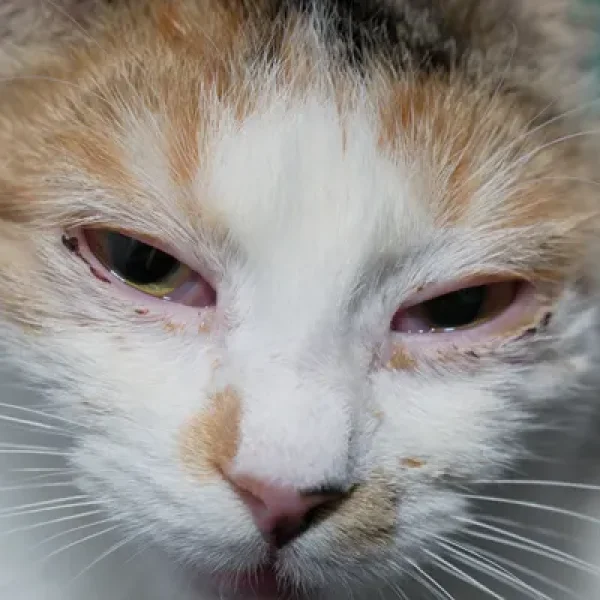
Feline viral rhinotracheitis (FVR) is an infectious disease caused by feline herpesvirus type-1. It is a major cause of upper respiratory disease in cats and is the most common cause of conjunctivitis. The typical symptoms of FVR involve the nose, throat, and eyes, and include sneezing, nasal congestion, conjunctivitis, excessive blinking, squinting, and discharges from the eyes and nose that range from clear and watery to thick and purulent (containing yellow/green pus). Treatment consists of supportive care, hydration of the environment, and control of secondary bacterial infections with antibiotics and antibiotic eye medications. An effective vaccine exists and is recommended for all cats.
Cidofovir Ophthalmic
Cidofovir ophthalmic is a topical antiviral medication used to treat viral eye infections, such as feline herpesvirus-1, in cats. This medication must be compounded by a veterinarian or veterinary pharmacy before use in cats. Side effects may include a mild stinging sensation or redness of the eyes. Pregnant women should not handle this medication.
Essential Oil and Liquid Potpourri Poisoning in Cats
Many liquid potpourri products and essential oils, including oil of cinnamon, citrus, pennyroyal, peppermint, pine, sweet birch, tea tree (melaleuca), wintergreen, and ylang ylang, are poisonous to cats. Both ingestion and skin exposure can be toxic.

FILTER BY SPECIES

FILTER BY TOPIC

Book Now