Christmas Offer - Get 50% off your first Office Visit!

North Park Veterinary Hospital — From Nov 1st, we’re extending our working hours! Mon–Fri: 9 AM–8 PM | Sat & Sun: 9 AM–5 PM.   |   Emergencies are welcome.

Pet Health Library

Our Amazing Gallery

English + Dogs + Breed Characteristics

Genetics Basics Modes of Inheritance
There are multiple methods of inheritance that determine which characteristics (or phenotypes) are displayed by the offspring, including autosomal dominant, autosomal recessive, and sex-linked inheritance. There are also many polygenic traits (i.e., associated with multiple genes) as well as environmental factors that make it much more complicated to predict disease or the likelihood of passing disease onto offspring.
Genetics Basics Coat Color Genetics in Dogs
Despite the huge variety in coat color, there are only two basic pigments that determine the color of canines: eumelanin (black) and phaeomelanin (red). All different variations in color are created by these two pigments, which are both forms of melanin. This handout discusses the details of genetics and coat color selection.
Genetics Basics Breed Determination
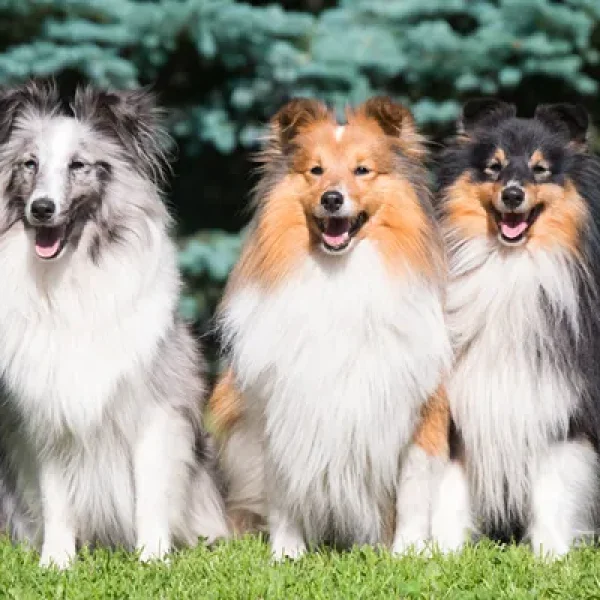
All dogs evolved from a common ancestor. Humans started breeding dogs for pleasure in the 19th century and this led to an intense diversification of dog species into the nearly 400 breeds recognized today. DNA tests can be performed on mixed-breed dogs to determine their breed ancestry.
Genetic (DNA) Testing
Genetic (DNA) testing is readily available, whether you are using it for fun to find out what breeds your pet is made up of or if you are looking into possible medical conditions. DNA samples can be collected either from a cheek swab or a blood draw. Knowing which breeds your pet is made up of can help you and your veterinarian prevent or prepare for health issues in the future.
Fruits and Vegetables in Birds' Diets
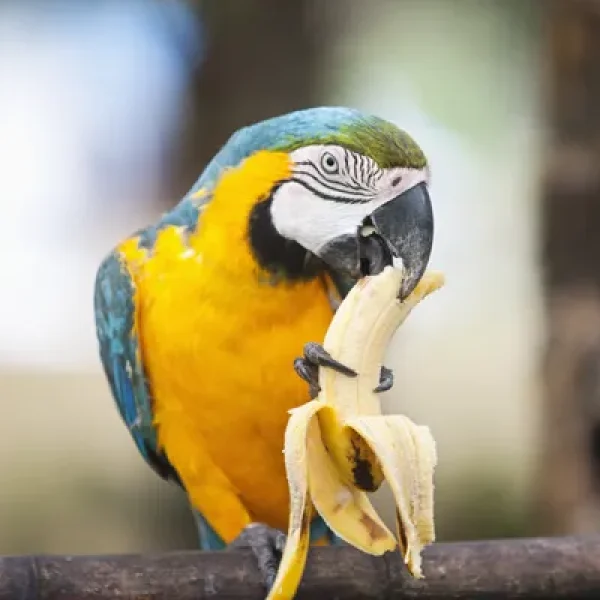
It is suggested that a selection of various fruits and vegetables be fed to your bird every day. A good source of carbohydrates, vitamins and minerals, fresh produce should comprise no more than 20%-40% of the diet. Bright yellow, red, and orange vegetables and fruits all contain a great deal of vitamin A, which is a critical nutrient in a birds’ diet.


FILTER BY SPECIES

FILTER BY TOPIC

Book Now