Christmas Offer - Get 50% off your first Office Visit!

North Park Veterinary Hospital — From Nov 1st, we’re extending our working hours! Mon–Fri: 9 AM–8 PM | Sat & Sun: 9 AM–5 PM.   |   Emergencies are welcome.

Pet Health Library

Our Amazing Gallery

English + Dogs + Breed Characteristics

Anal Sac Tumors
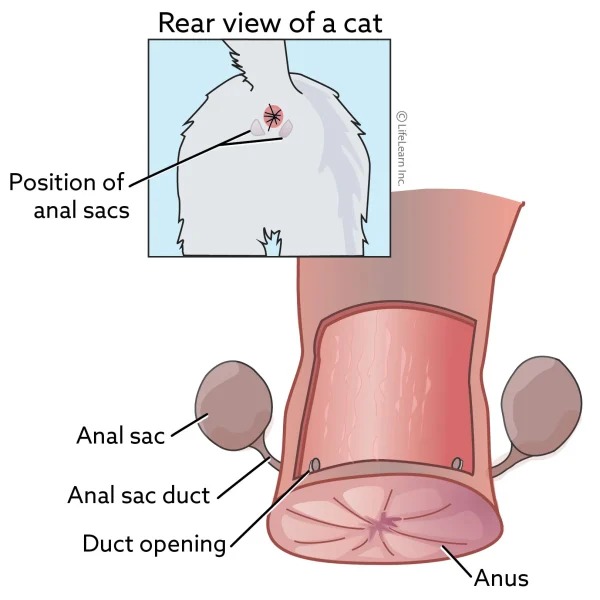
Anal sac tumors grow quickly and have a moderate risk of spreading to other parts of the body. Depending on the tumor’s size, your pet could develop signs of straining to defecate or produce thin ribbon-like stool. An increased calcium level in the blood is consistent with anal sac tumors, which can cause other signs and result in kidney failure. The best and most well-described local treatment for the primary tumor is surgery. Radiation and chemotherapy may be considered if there is evidence of spread.
Adrenal Medulla Tumors
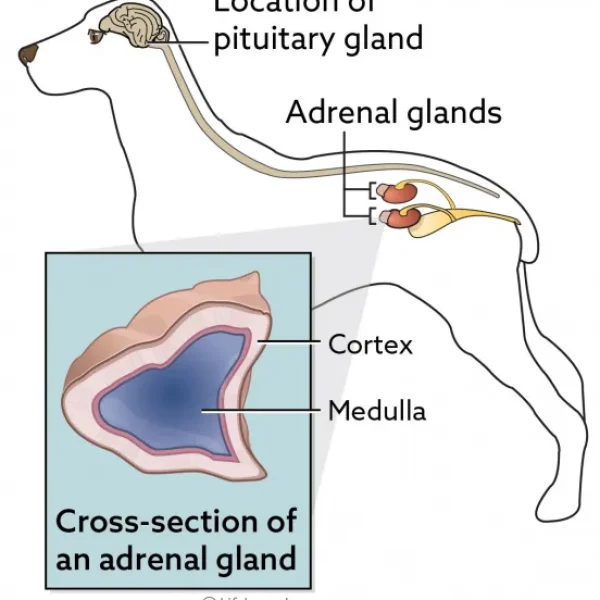
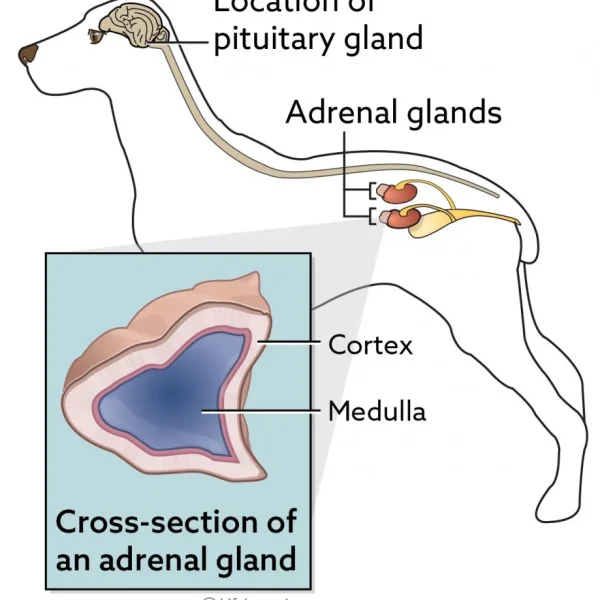
The adrenal medulla is responsible for producing hormones such as epinephrine, norepinephrine, and dopamine. An adrenal medulla tumor is the result of abnormal, uncontrolled growth of the cells that produce these hormones. These tumors may go undetected for a long time and clinical signs may be subtle. These signs could include weakness, excessive panting and restlessness, newly noted anxiety, and an increase in drinking and urination. The biggest concern with these tumors is their ability to continue to grow and invade local tissues, which can make surgical removal difficult or impossible.
Household Hazards and Dangers to Birds
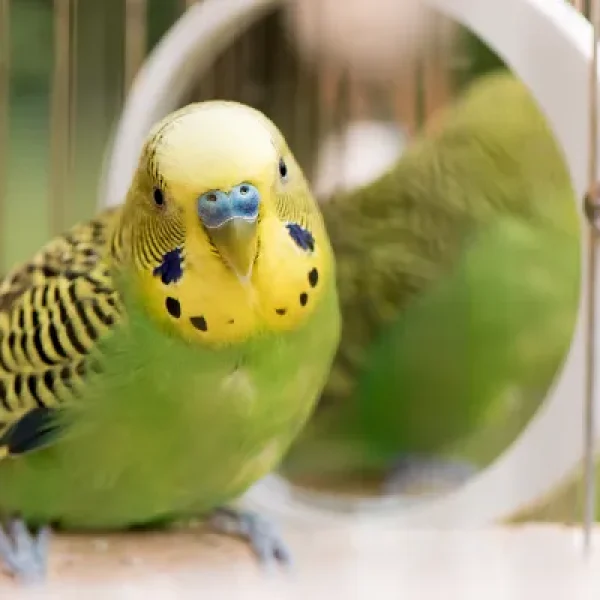
Birds are naturally mischievous and if not properly supervised, will get into many predicaments. It is crucial that you bird proof your home. The bird’s cage is its house and the confines of your home represent the bird’s environment.
Adrenal Cortex Tumors
An adrenal cortex tumor is an abnormal growth of cells in the adrenal cortex. These tumors result in overproduction of cortisol and can be malignant (cancerous) or benign. In both cases, an adrenal cortex tumor can cause Cushing’s disease in dogs. Malignant tumors can metastasize to other organs, including the kidneys, lymph nodes, and thyroid gland. The sooner a diagnosis and treatment plan can be determined, the better the outcome for your pet.
Egg Binding in Birds
Egg binding is not uncommon in birds and may be resolved easily if treated early; if not, the bird may become critically ill. Egg binding occurs when the female bird is unable to expel the egg from her body. Egg-bound birds are usually weak, not perching, often sitting low on the perch or on the bottom of the cage and are straining as if trying to defecate or to lay an egg. Treatment varies depending upon how sick the bird is, as well as the location of the egg and the length of time the bird has been egg bound.

FILTER BY SPECIES

FILTER BY TOPIC

Book Now