Christmas Offer - Get 50% off your first Office Visit!

North Park Veterinary Hospital — From Nov 1st, we’re extending our working hours! Mon–Fri: 9 AM–8 PM | Sat & Sun: 9 AM–5 PM.   |   Emergencies are welcome.

Pet Health Library

Our Amazing Gallery

English + Dogs + Breed Characteristics

Chemodectomas (Aortic and Carotid Artery Neuroendocrine Tumors)
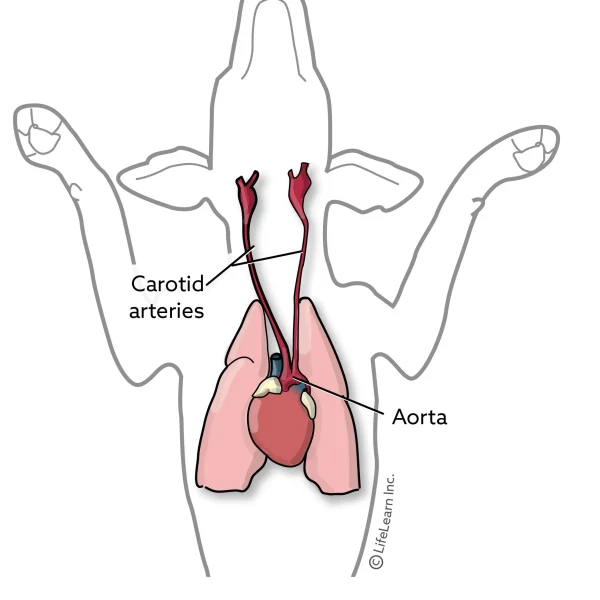
A chemodectoma is a type of tumor made up of chemoreceptor cells. Chemoreceptor cells detect chemical changes in the body and respond by regulating chemical or physical processes. These tumors are most often seen along one of the carotid arteries and the aorta. Brachycephalic breeds are more predisposed to these types of tumors, though they may occur in any dog breed. These tumors are usually locally aggressive, however, there are rare cases of metastasis to other organs, including the lungs, lymph nodes, and bone.
Benign Mammary Tumors in Dogs
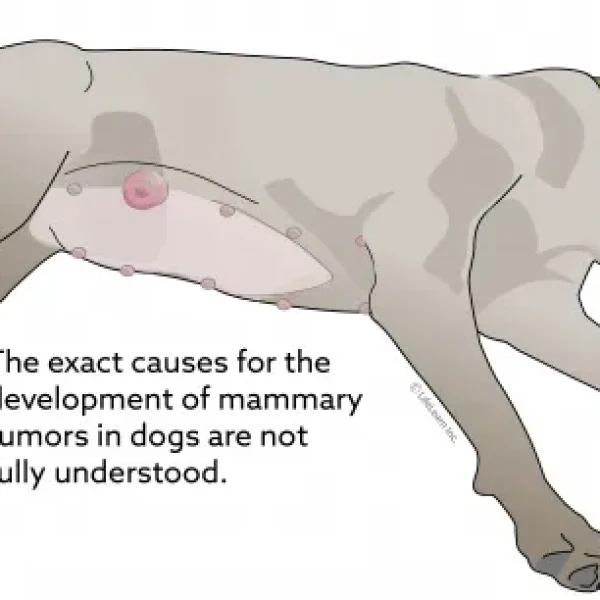
Mammary tumors develop due to abnormal reproduction of the cells that make up the breast tissue. They can be benign or malignant. The incidence of these tumors is related to hormone status, specifically whether a dog is intact or has had an ovariohysterectomy, age, and breed. Because dogs can have both benign and malignant tumors at the same time, surgical removal and histopathology of all tumors are very important.
How Do Emergency Clinics Work
If your pet had an emergency crisis, how would you manage it? Ask your veterinary hospital how they handle after-hour emergencies. Use this handout to help you plan ahead and be prepared in the event of a pet-health emergency.
Benign Fibrous Skin Tumors
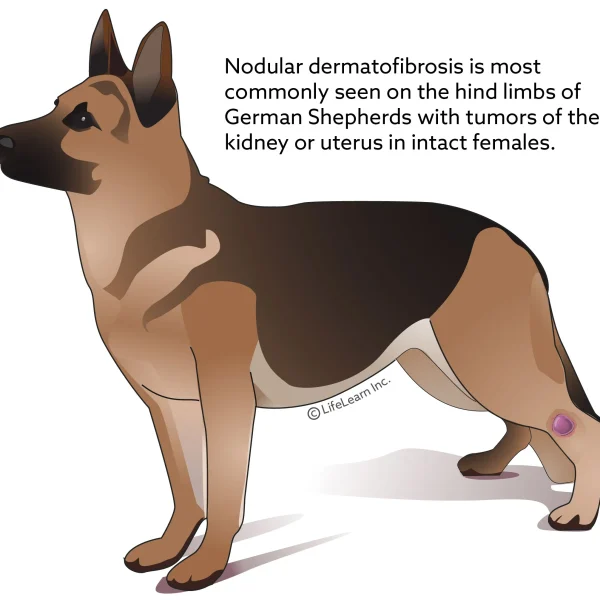
Benign fibrous skin tumors can go by many names and in many cases don’t need treatment. Surgical excision can be curative unless certain types are due to an underlying tumor elsewhere. The main focus in many cases is addressing underlying allergies or sources of pressure. To adequately diagnose these tumors, a biopsy and histopathology are usually necessary.
Basal Cell Tumors
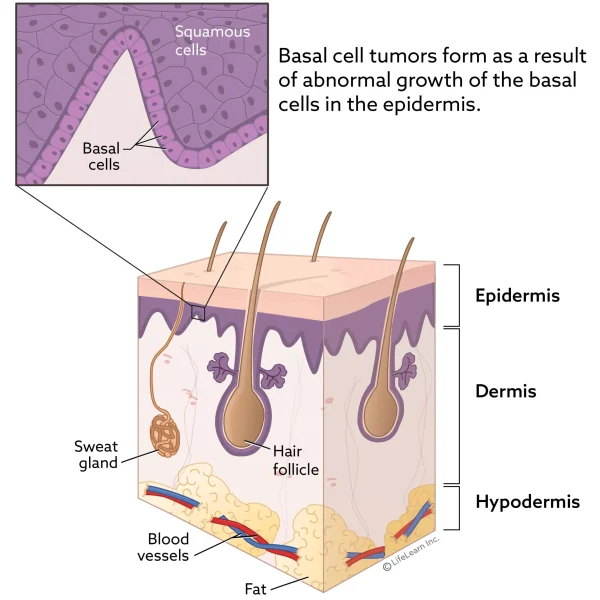
Basal cell tumors are a common type of skin tumor arising from cells in the deeper layers of the skin. They vary in size, from a few centimeters to inches in diameter, and most commonly appear as single, firm, hairless, raised masses in the skin, often on the head, neck, or shoulders. Most of these tumors are benign but removal may still be considered to prevent trauma or secondary infection. Surgical removal is curative in most cases.

FILTER BY SPECIES

FILTER BY TOPIC

Book Now