Christmas Offer - Get 50% off your first Office Visit!

North Park Veterinary Hospital — From Nov 1st, we’re extending our working hours! Mon–Fri: 9 AM–8 PM | Sat & Sun: 9 AM–5 PM.   |   Emergencies are welcome.

Pet Health Library

Our Amazing Gallery

English + Dogs + Breed Characteristics

Acetaminophen
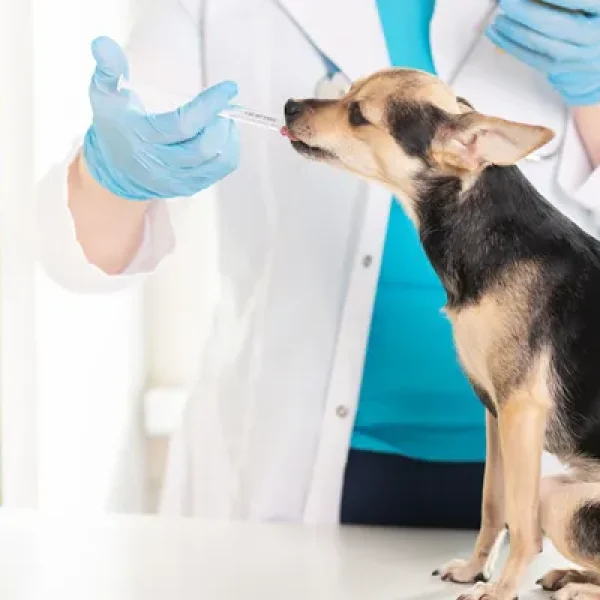
Acetaminophen, also known as paracetamol, is an analgesic (pain reliever) and fever-reducing medication. It is used to treat pain and fever in dogs. It is used “off label” or “extra label” in some avian species, rabbits, miniature pigs, and some rodent species. Acetaminophen comes in capsule, tablet, or liquid suspension form. NEVER USE in cats or ferrets as it is potentially fatal at even miniscule doses.
Feeding Your Mini-Pig
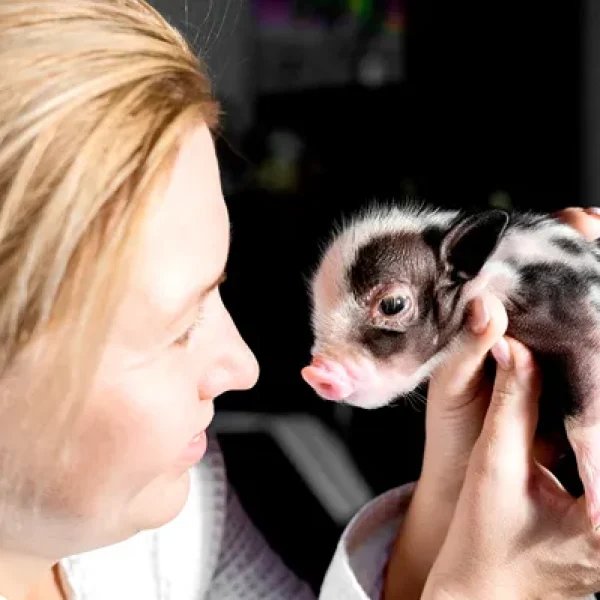
Pigs are omnivores that typically eat multiple small meals throughout the day. A mini-pig’s base diet should consist of a commercially available, nutritionally balanced pelleted chow formulated for mini-pigs. Treats such as small pieces of succulent fruits or vegetables may be offered once or twice a day and are best used as rewards in training. Feeding guidelines are discussed.
Skin, Hoof, and Dental Care for Your Mini-Pig
The most common skin problem in mini-pigs is dry skin that results from a dietary deficiency of fatty acids. In addition to dry skin, mini-pigs commonly suffer from sarcoptic mange, parakeratosis, yeast dermatitis, and sunburn. Hooves of mini-pigs grow continuously throughout life and need to be trimmed periodically. The canine teeth (tusks) of male pigs grow throughout life, while those of female pigs stop growing at about two years of age. Starting after the pig is about a year of age, your veterinarian will trim tusks during an examination.
Pets and Ebola
The Ebola virus is very contagious and is transmitted through blood, body fluids, and tissues, but not through air, water, or food. Ebola affects humans, non-human primates, and is carried by fruit bats. Other species do not appear to be affected, although there has been evidence of exposure to the disease in dogs, cats, and other domestic animals. Domestic animals are not believed to transmit the virus; however, there is a risk that they could transmit body fluids such as saliva on their fur to other humans. Any potential exposure to Ebola should be reported to your veterinarian who will contact the Center for Disease Control (CDC).
Lungworm Infections in Cats
In North America, many parasitic lungworms infect cats. Cats can become infected by swallowing infective stages of parasitic lungworm. The exact means of becoming infected varies according to the life cycle of the particular parasite. Signs can include coughing, heavy breathing, wheezing, sneezing, poor appetite or anorexia, weight loss, fever, enlarged lymph nodes, and ocular or nasal discharge, and may be more prominent in kittens due to their immature immune systems. Although the success rate of treatment depends on the severity of symptoms and the number of parasites present, the prognosis for recovery is generally good.

FILTER BY SPECIES

FILTER BY TOPIC

Book Now