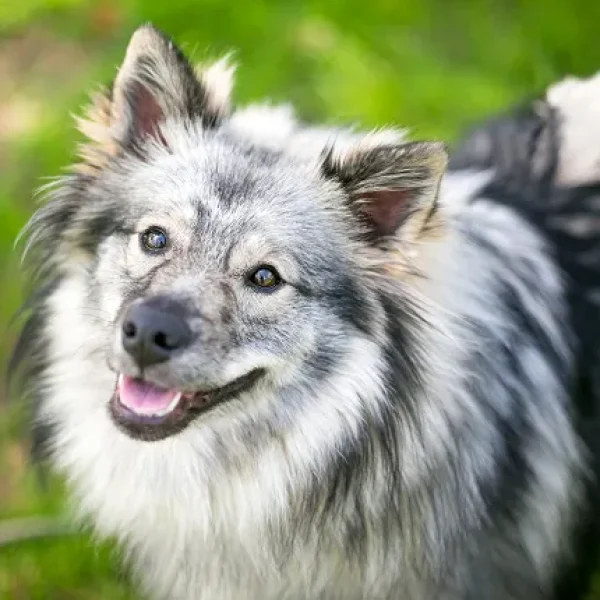
Parathyroid tumors are uncommon in dogs and cats. Benign adenomas occur more often than malignant tumors. Keeshonds appear to have a genetic predisposition to developing parathyroid tumors, but no breed or genetic relationship has been established in cats. Pets may exhibit signs of lethargy, little or no appetite, vomiting, and muscle twitching. Diagnosis is confirmed with PTH testing and ultrasound of the neck region after hypercalcemia is observed on bloodwork. Surgery to remove the affected gland(s) is the typical treatment, but ultrasound-guided ablation may be pursued. Careful monitoring of calcium levels post-surgery is important, as some pets may develop transient hypocalcemia and require calcium supplementation. Prognosis is excellent, and the metastatic rate for these tumors is extremely low.