Christmas Offer - Get 50% off your first Office Visit!

North Park Veterinary Hospital — From Nov 1st, we’re extending our working hours! Mon–Fri: 9 AM–8 PM | Sat & Sun: 9 AM–5 PM.   |   Emergencies are welcome.

Pet Health Library

Our Amazing Gallery

English + Dogs + Breed Characteristics

Stomach Tumors
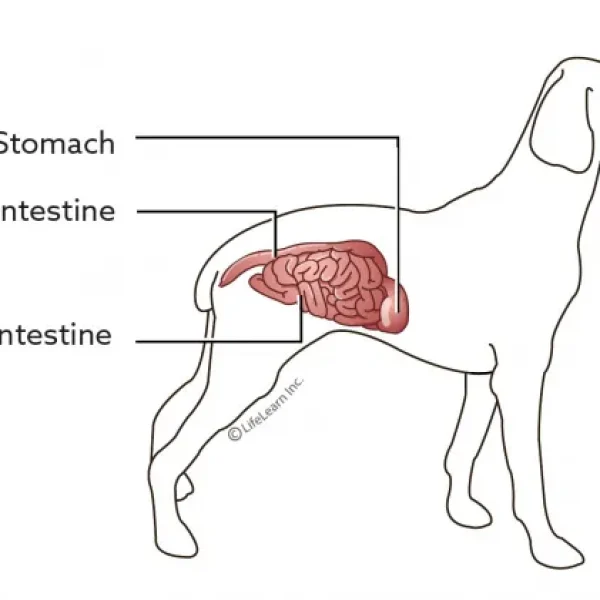
Stomach tumors are uncommon in dogs and cats. There are many kinds, including leiomyosarcomas, lymphomas, adenocarcinomas, mast cell tumors, fibrosarcomas, plasmacytomas, gastrointestinal stromal tumors (GISTs), and carcinoids (all malignant); and leiomyomas, adenomatous polyps, and adenomas (benign). Most tumors are malignant. Stomach tumors are more prevalent in older animals, males, and certain breeds. The signs of stomach tumors include chronic vomiting, inappetence, lethargy, and weight loss. Sometimes tumor ulceration will cause anemia. Paraneoplastic syndromes are possible with the muscle tumors. Stomach tumors may be diagnosed with imaging, endoscopy, or surgery, with a biopsy. Treatment may involve surgery, chemotherapy, or radiation therapy.
Squamous Cell Carcinomas in Dogs
Squamous cell carcinoma is a tumor of the cells that make up the contact or upper layer of the skin. UV light exposure has been described as a developmental factor in people, though it is still in question as to the role for dogs. Several breeds are known to be predisposed to this type of cancer. About 30% of dogs with the digital form of the disease will have evidence of spread. Regardless of the location, surgery is typically the treatment of choice, and staging is usually recommended prior to any surgery.
Soft Tissue Sarcomas
Soft tissue sarcomas are a broad category of tumors that can develop over the chest, back, side, legs, and facial tissues of your pet. The clinical signs depend on where the tumor is located and the tissues that are affected. Often, pets have a noticeable mass that is growing in size. One of the biggest concerns with soft tissue sarcomas is their ability to invade the local surrounding tissues. The most commonly pursued treatment is surgery. Chemotherapy is not usually pursued as a primary treatment unless surgery or radiation are not options for your pet based on the tumor size or location.
Seizures and Syncope
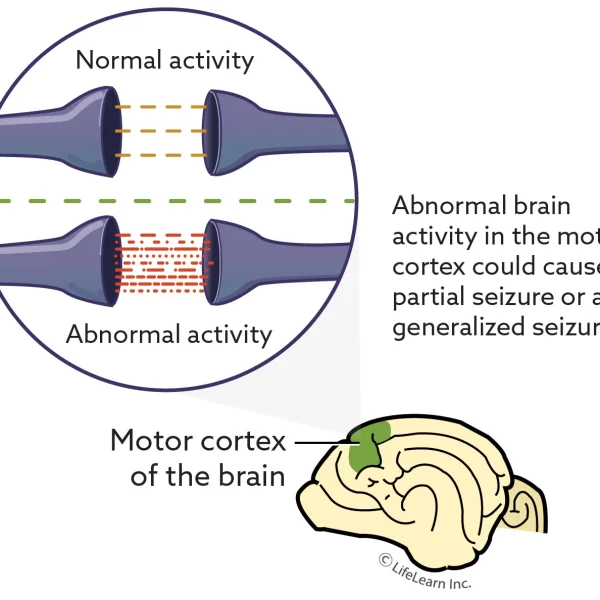
Seizures and syncope are commonly confused with one another due to similarities in the appearance of these episodes. Both present with collapse but there are several details, explained in this handout, that can differentiate between them, which is important for determining treatment. The prognosis for each condition varies depending on the underlying causes.
Salivary Gland Tumors
Salivary gland tumors are rare in dogs and cats. The mandibular and parotid glands are most commonly affected. Signs include swelling of the upper neck or ear base, halitosis, anorexia, weight loss, difficulty eating, pain, and lethargy. The treatment of choice is usually surgical excision. If complete excision is not possible, adjunct radiation therapy may be pursued.

FILTER BY SPECIES

FILTER BY TOPIC

Book Now