Christmas Offer - Get 50% off your first Office Visit!

North Park Veterinary Hospital — From Nov 1st, we’re extending our working hours! Mon–Fri: 9 AM–8 PM | Sat & Sun: 9 AM–5 PM.   |   Emergencies are welcome.

Pet Health Library

Our Amazing Gallery

English + Dogs + Breed Characteristics

Urinary Tract Tumors
Tumors of the urinary tract may present anywhere from the kidneys to the tip of the urethra. Tumors of the bladder are most common in the dog whereas tumors involving the kidneys are more prevalent in cats. Unfortunately, many tumors of the urinary tract are malignant and treatment options may be limited. Surgery is possible in select cases. Medical treatment may be beneficial in cases where surgery is not possible.
Transmissible Venereal Tumor
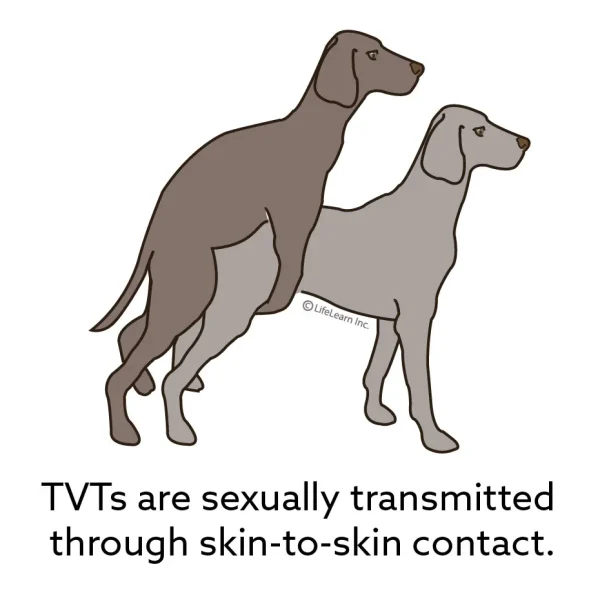
Transmissible venereal tumors (TVTs), often found in genital areas, are spread through contact with other dogs, most often sexual contact. The tumors are usually cauliflower-like in appearance. Diagnosis and treatment is discussed.
Thyroid Tumors
Thyroid tumors can be benign or malignant and functional or non-functional. In dogs, they are usually malignant and non-functional, whereas in cats, they are usually benign and functional. A swelling in the neck may be the only sign in a dog; however, a change in bark, coughing, difficulty swallowing, facial swelling, rapid breathing, breathlessness, weight loss, and a loss of appetite are possible. In cats, the signs are related to excess thyroid hormone production (hyperthyroidism). Thyroid tumors are diagnosed with a physical examination, bloodwork, various forms of diagnostic imaging, and in dogs, a tissue biopsy. In dogs, staging is required to determine the presence of spread. A variety of treatment options are available.

Testicular Tumors
Testicular tumors are generally not aggressive and have a low metastatic rate. Pets with undescended testicles (cryptorchid) are predisposed to the development of certain testicular tumors. Hyperestogenism is possible with Sertoli cell tumors. In any cryptorchid pet, removal of both testicles should be pursued. Intraabdominal tumors in cryptorchid pets may cause lethargy, decreased appetite, and fever. Standard staging is recommended in all cases, including a rectal exam. Surgery is typically the treatment of choice and may be combined with radiation therapy or chemotherapy if metastasis is evident.
Sweat Gland, Hair Follicle, and Sebaceous Gland Tumors
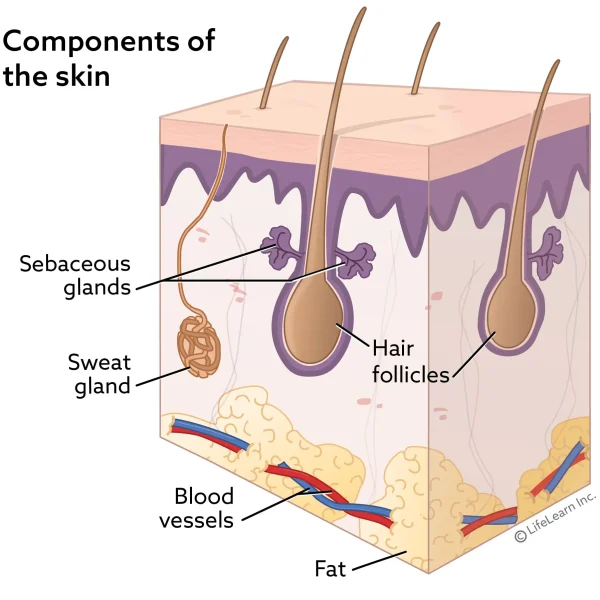
Skin gland, hair follicle, and sebaceous gland tumors are often benign. Matrical carcinoma and sebaceous gland adenocarcinoma are rare and more aggressive forms of the disease. Regardless of the type (sweat, hair, or sebaceous) diagnosis is made by fine needle aspiration, biopsy, and/or surgical removal and histopathology. Further treatment is reviewed.

FILTER BY SPECIES

FILTER BY TOPIC

Book Now