Christmas Offer - Get 50% off your first Office Visit!

North Park Veterinary Hospital — From Nov 1st, we’re extending our working hours! Mon–Fri: 9 AM–8 PM | Sat & Sun: 9 AM–5 PM.   |   Emergencies are welcome.

Pet Health Library

Our Amazing Gallery

English + Dogs + Breed Characteristics

Oral Swellings in Dogs
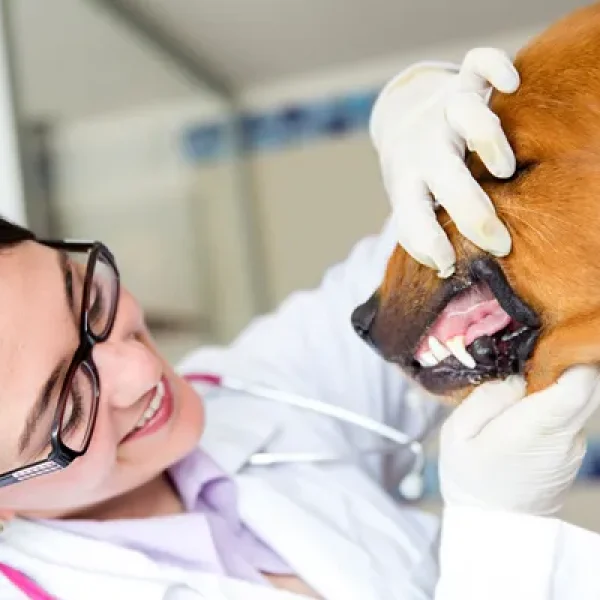
There are many causes of oral swellings, including local trauma, infection, fluid accumulation and tumors. If you find an oral swelling in your dog’s mouth, book an appointment with your veterinarian as soon as possible. Your veterinarian will perform diagnostic tests such as intraoral X-rays, blood tests, and tissue sampling. Treatment and prognosis depend on the cause.
Oral Surgery in Dogs
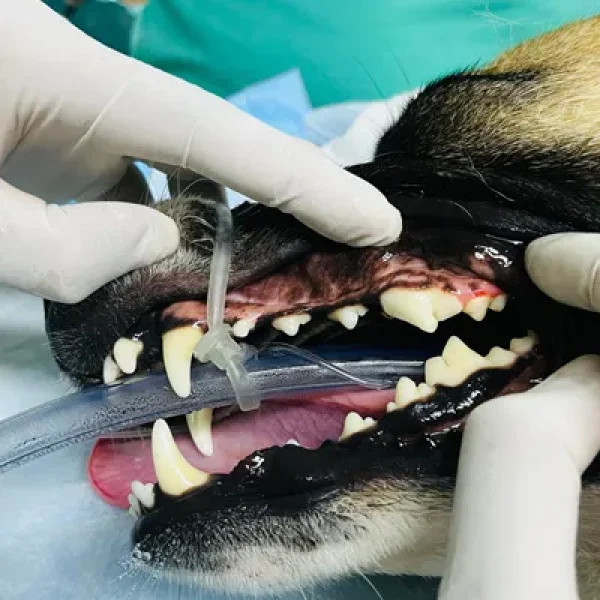
There are many reasons why your dog might need oral surgery, including oral tumors, dental disease, or repair of jaw fractures. Your veterinarian may refer your dog to a board-certified dentist, surgeon, or oncologist. Prior to your dog’s surgery, blood tests will be performed to prepare an anesthetic protocol suitable for your dog. Most dogs recover with minimal discomfort and will need to eat soft food until healing is complete.
Malocclusions in Dogs When Teeth Are Misaligned
Dogs have four types of teeth: incisors, canines, premolars, and molars. Skeletal malocclusion results when an abnormal jaw length creates a malalignment of the teeth. Dental malocclusion occurs when the upper and lower jaw lengths are considered normal but one or more teeth are out of normal alignment. This article explains the common forms of skeletal and dental malocclusion seen in dogs.
Halitosis in Dogs
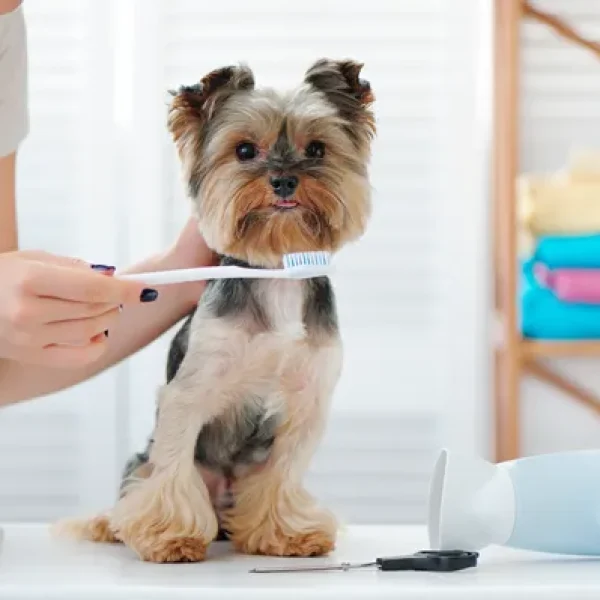
Bad breath (halitosis) is caused by bacteria, plaque, and tartar. Once halitosis occurs, professional veterinary oral prevention, assessment, and treatment is needed. Teeth affected by advanced periodontal disease need to be extracted. Reducing the accumulation of plaque, tartar, and resulting halitosis can be achieved by using VOHC-accepted products.
Gingivitis and Stomatitis in Dogs
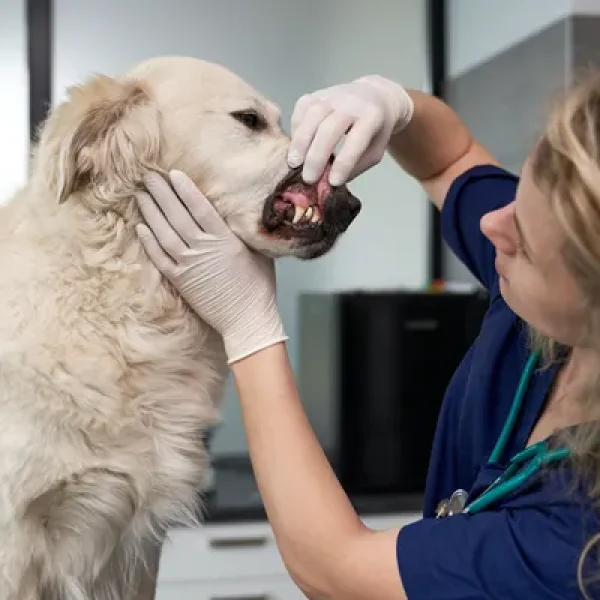
Gingivitis refers to inflammation of the gums. Stomatitis may involve the gums, tongue, inner surfaces of the lips, and/or the floor and roof of the mouth. Gingivitis may be caused by a bacterial infection from plaque on the teeth and is usually associated with poor oral hygiene. It can lead to more severe periodontal disease and tooth loss. Diagnosis and treatment are discussed. The prognosis for stomatitis varies depending on the pet, and tooth extractions may be required. A consistent homecare program and regular evaluation by your veterinarian will improve your dog’s prognosis.

FILTER BY SPECIES

FILTER BY TOPIC

Book Now