Christmas Offer - Get 50% off your first Office Visit!

North Park Veterinary Hospital — From Nov 1st, we’re extending our working hours! Mon–Fri: 9 AM–8 PM | Sat & Sun: 9 AM–5 PM.   |   Emergencies are welcome.

Pet Health Library

Our Amazing Gallery

English + Dogs + Breed Characteristics

Persistent Deciduous Teeth (Baby Teeth) in Dogs
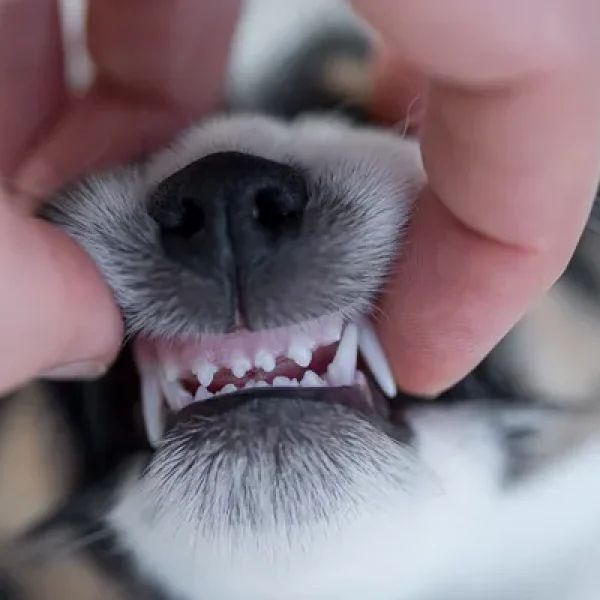
A persistent tooth is a deciduous (baby) tooth that is still present when the permanent tooth erupts. When this happens, the baby tooth occupies the place in the mouth that is meant for the permanent tooth, forcing the permanent tooth to erupt at an abnormal angle or in an abnormal position. The result is crowding or malposition of the tooth, causing an abnormal bite (malocclusion). Early extraction is advised.
Orthodontics (Moving Teeth) in Dogs
Occasionally, dogs’ teeth do not erupt in the right location, resulting in pain and poor function. Treatment options include orthodontic appliances to move the teeth, extraction, or crown amputation with restoration. Many veterinarians are comfortable delivering orthodontic care for dogs. Your veterinarian may seek the advice of a board-certified veterinary dental specialist for advice or referral.
Oral Tumors in Dogs - An Overview
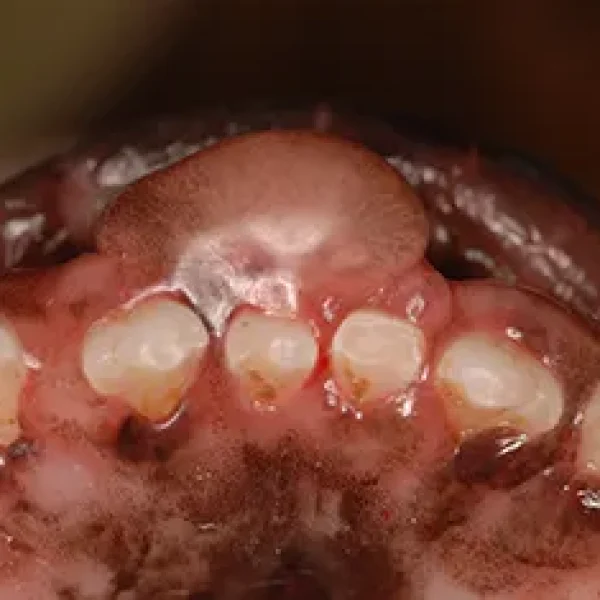
Like humans, benign and malignant tumors occur in dogs’ mouths. Peripheral odontogenic fibromas (POF) are the most common benign tumors while oral melanomas, squamous cell carcinomas, and fibrosarcomas are the most prevalent malignant tumors in dogs. Diagnosis may be performed via fine needle aspiration or biopsy. Spread to mandibular lymph nodes does occur. Fine needle aspiration of the lymph nodes is recommended when malignant tumors are suspected. Tumor staging including laboratory testing as well as CT imaging helps to plan therapy.
Oral Tumors in Dogs - Melanomas
Oral melanomas are the most common malignant oral tumor in dogs. Melanomas usually present as a mass in the mouth and may be melanotic (pigmented) or amelanotic (non-pigmented). These tumors are both locally invasive and have a high tendency to metastasize to other organs. Full staging including CT scanning is recommended to determine the extent of the disease.
Oral Tumors in Dogs - Fibrosarcomas
Fibrosarcomas are the third most common oral tumor in dogs and arise from the fibrous and connective tissues of the oral cavity. These tumors are very invasive locally and are often difficult to manage, Diagnosis is based on biopsy. Treatment involving surgery and radiation provide the longest survival times.

FILTER BY SPECIES

FILTER BY TOPIC

Book Now