
Christmas Offer - Get 50% off your first Office Visit!

North Park Veterinary Hospital — From Nov 1st, we’re extending our working hours! Mon–Fri: 9 AM–8 PM | Sat & Sun: 9 AM–5 PM.   |   Emergencies are welcome.

Pet Health Library

Our Amazing Gallery

English + Dogs + Breed Characteristics

Dexamethasone Suppression Tests
Dexamethasone is used to test the level of cortisol hormone in the body. Injection of dexamethasone will cause a decreased level of cortisol in a normal pet; however, in a pet with Cushing’s disease, there is minimal or no decrease in cortisol level. Other diseases can suppress cortisol production, so it is important to rule these out prior to dexamethasone testing. Knowing the type of Cushing’s disease your pet has can guide treatment decisions and offers a more defined prognosis.

Cytology - Collecting Cells from Surfaces
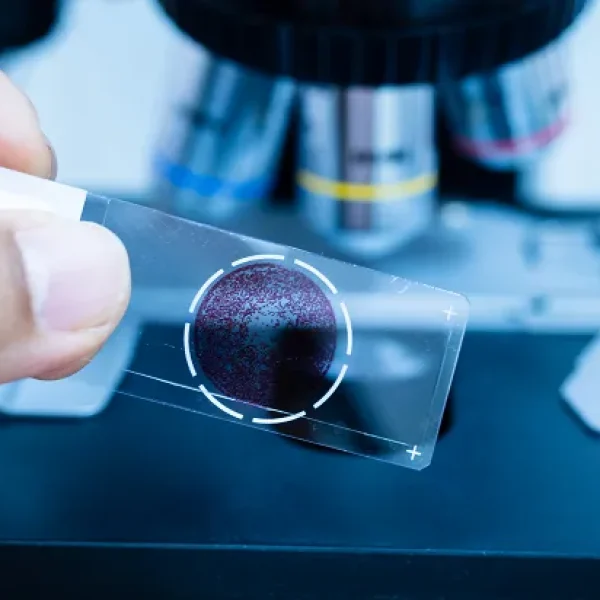
Cytology is the microscopic examination of cells that have been collected from the body. Lesions on the surface of the skin or from moist body cavities can be sampled very simply by scraping, swabbing, flushing, or making impressions of the tissue. The collected cells get looked at under a microscope and in many cases a diagnosis can be made to determine the best form of treatment.
Cytology - General
Cytology is a useful tool to often diagnose abnormal lumps on your pet’s body as well as evaluation of fluid samples and tissue surfaces. It is relatively simple and inexpensive but can provide a lot of information. Depending on results, further tests may be indicated to best help your pet.
Cushing's Disease - Testing
Cushing’s disease, or hyperadrenocorticism, is the overproduction of cortisol hormone by a dog’s body. The clinical signs of Cushing’s disease are similar, regardless of the underlying cause of the disease. However, it is essential to identify the type of Cushing’s disease as the treatment and prognosis differ slightly depending upon the form of the disease.
Coombs' Test
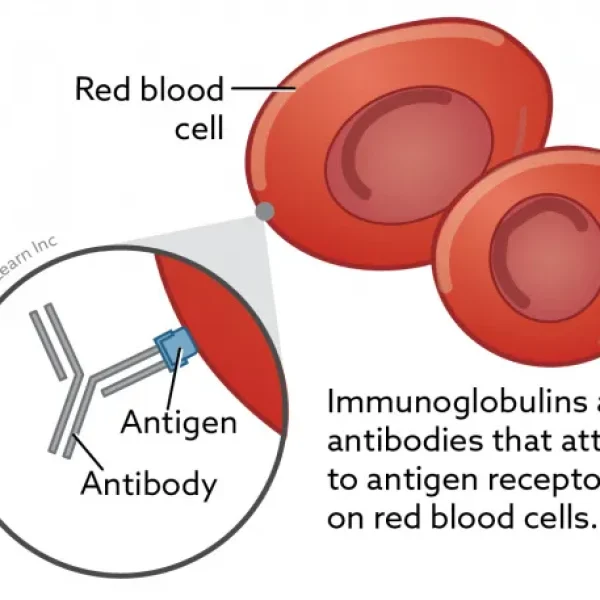
A Coombs’ test is used to test for a disease called autoimmune hemolytic anemia (IMHA). IMHA is a condition where the immune system breaks down or destroys red blood cells, leading to anemia. The test detects the presence of immunoglobulins (antibodies) on the surface of red blood cells. Taken together, the physical findings and the laboratory data (such as a Coombs’ test) may suggest that immune-mediated destruction of red blood cells is the most likely cause of your pet’s anemia.

FILTER BY SPECIES

FILTER BY TOPIC

Book Now