Christmas Offer - Get 50% off your first Office Visit!

North Park Veterinary Hospital — From Nov 1st, we’re extending our working hours! Mon–Fri: 9 AM–8 PM | Sat & Sun: 9 AM–5 PM.   |   Emergencies are welcome.

Pet Health Library

Our Amazing Gallery

English + Dogs + Breed Characteristics

Fecal Baermann
A fecal Baermann is a special fecal test used to diagnose infection by parasites that pass larvae in stool instead of eggs. A small golf-ball sized sample of fresh stool is mixed with warm water to encourage larvae to separate from the fecal material to allow identification. The most common parasite diagnosed with a fecal Baermann is lungworm, which typically causes signs of coughing.
Electrocardiogram in Dogs
An electrocardiogram (ECG, EKG) is a test that is used to assess the heart. More specifically, an ECG measures the transmission of an electrical impulse through the heart. This test is not painful and is typically performed as an outpatient procedure. Analyzing the electrical impulses produced as the heart beats can help identify a number of different abnormalities within the heart.
DNA Testing
DNA is a large complex molecule that carries the genetic information or genetic code of an organism. All common forms of life, such as viruses, bacteria, plants, and animals carry a copy of their own genetic code in each of their cells. Each organism has a unique section of DNA that is just like a fingerprint. DNA-PCR is often used to detect the presence of infectious organisms; especially when detecting extremely small numbers of infectious organisms and for detecting certain viruses and bacteria that are difficult to diagnose by other methods.

Diarrhea Questionnaire for Dogs
If your dog is having diarrhea, please complete this questionnaire as accurately as possible before your appointment. This information will be very helpful to your veterinarian in determining the cause of diarrhea.
Diabetes in Dogs Testing and Monitoring
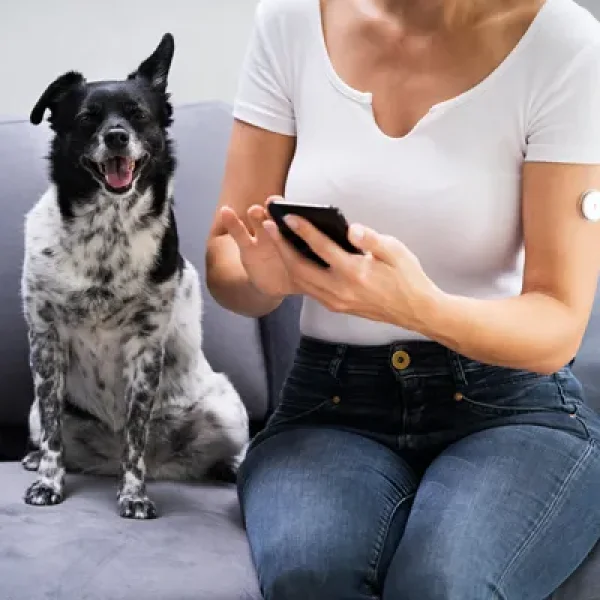
Testing for diabetes includes confirming hyperglycemia and glucosuria while looking for other conditions by taking a complete blood count (anemia, infection), biochemistry profile (hepatic disease, pancreatitis), and a urinalysis (urinary tract infection). Monitoring includes regular glucose curves and additional exams and testing based on the pet owner’s monitoring of their dog’s clinical signs at home. Urine glucose testing and fructosamine are sometimes used in diabetic monitoring and urine testing for infection may be recommended.

FILTER BY SPECIES

FILTER BY TOPIC

Book Now