
Christmas Offer - Get 50% off your first Office Visit!

North Park Veterinary Hospital — From Nov 1st, we’re extending our working hours! Mon–Fri: 9 AM–8 PM | Sat & Sun: 9 AM–5 PM.   |   Emergencies are welcome.

Pet Health Library

Our Amazing Gallery

English + Dogs + Breed Characteristics

Meningoencephalitis of Unknown Origin
Meningoencephalitis is a term referring to inflammation of the brain and the surrounding fluid and tissues. Meningoencephalitis of unknown origin is a term used to describe those cases of meningoencephalitis in which MRI and cerebrospinal fluid analysis indicate the disease but diagnosis through histopathological analysis is not possible. Treatment typically involves immunosuppressant drugs, sometimes with the addition of antibiotics. The prognosis depends on several factors, which are also explained in this handout.
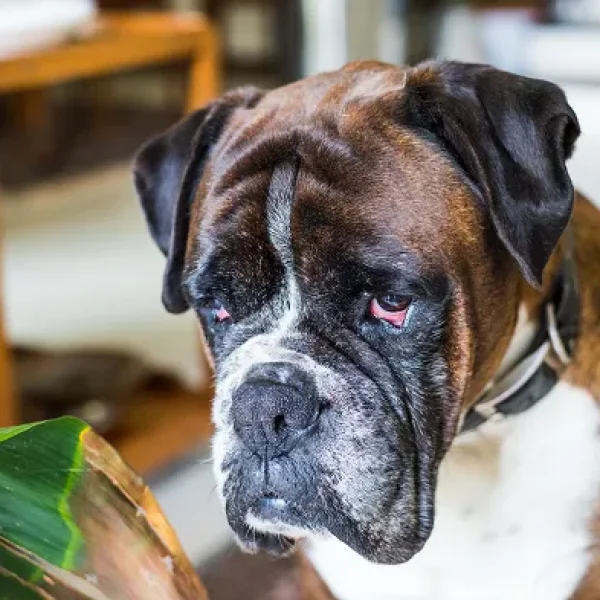
Infertility in Male Dogs
Infertility in a male dog is defined as the inability to produce a successful pregnancy in a fertile female, even with multiple breedings near the time of ovulation. The causes of infertility fall under three broad categories: failure to copulate or ejaculate, poor semen quality, and prostatic disease. This handout explains the possible causes in detail, as well as methods to diagnose and treat them.
Hypercalcemia
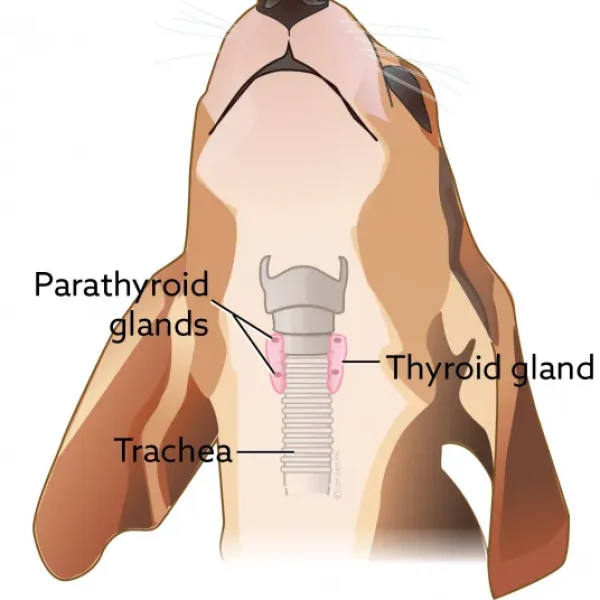
The term hypercalcemia is used when the level of calcium in the blood is higher than normal. Calcium levels are controlled by a pair of parathyroid glands. High calcium levels may signal the presence of serious underlying disease including kidney failure, adrenal gland failure, a parathyroid gland tumor, and some types of cancer. Pets with hypercalcemia may show signs of weakness, listlessness, increased drinking and urination, and loss of appetite. Your veterinarian will perform diagnostic tests which may include total calcium, ionized calcium, albumin, and parathyroid hormone levels.
Holter Monitor in Dogs
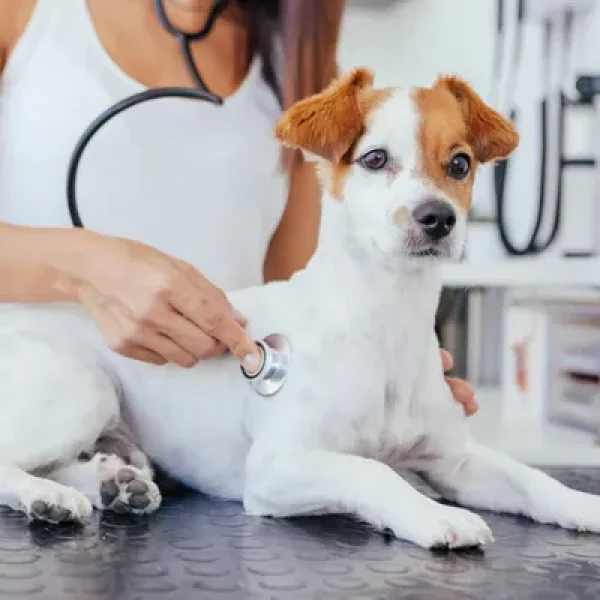
A Holter monitor is a portable device used to continuously monitor the electrical activity of the heart and can be an effective and non-invasive way to help your veterinarian evaluate heart conditions, especially when trying to determine the cause of fainting episodes or evaluate treatment. Many dogs are not bothered by it and ignore its presence.
Gastrointestinal Endoscopy in Dogs
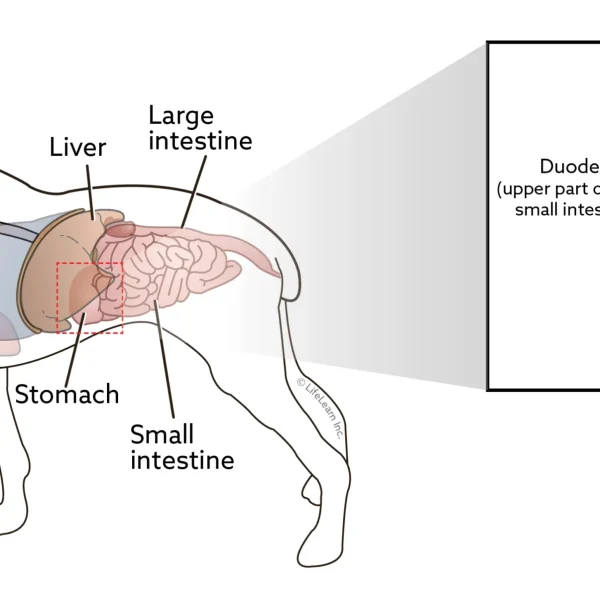
Gastrointestinal endoscopy uses a flexible tube with a camera or viewing port to inspect the esophagus, stomach, proximal small intestine, or colon for evidence of disease-causing clinical signs characteristic of gastrointestinal disease. Foreign bodies can often be retrieved. Biopsies are taken of abnormal and normal tissue, as not all conditions cause gross changes to the stomach or intestinal surface. The endoscope cannot reach all areas of the small intestine, so other tests may be needed to diagnose disease in these areas. Endoscopic pinch biopsies are not full thickness so if diagnosis is not achieved with endoscopic biopsies, additional testing including surgical biopsies may be needed. 12-18 hours fasting and enemas are required prior to endoscopy depending on the area being studied.

FILTER BY SPECIES

FILTER BY TOPIC

Book Now