Christmas Offer - Get 50% off your first Office Visit!

North Park Veterinary Hospital — From Nov 1st, we’re extending our working hours! Mon–Fri: 9 AM–8 PM | Sat & Sun: 9 AM–5 PM.   |   Emergencies are welcome.

Pet Health Library

Our Amazing Gallery

English + Dogs + Breed Characteristics

Testing for Abdominal Enlargement in Dogs
Abdominal enlargement in dogs may occur due to a simple cause such as obesity, pregnancy, or intestinal parasites; however, it can also be a sign of different illnesses including hyperadrenocorticism, hypothyroidism, heart disease, organ enlargement trauma, GDV, and cancer. Identifying the cause of abdominal enlargement can take several steps starting with history and physical exam, progressing to screening tests including bloodwork and urinalysis. The CBC is assessed for signs of anemia, low platelets, or signs of inflammation. A biochemistry profile may reveal liver or kidney dysfunction, hypo- or hyperproteinemia, hypoglycemia, or other abnormalities. Urinalysis is used to fully interpret the biochemistry and check for abnormal urinary sediment. Based on the findings of the screening tests, additional diagnostics may include imaging, EKG, tissue biopsy, or fluid analysis.
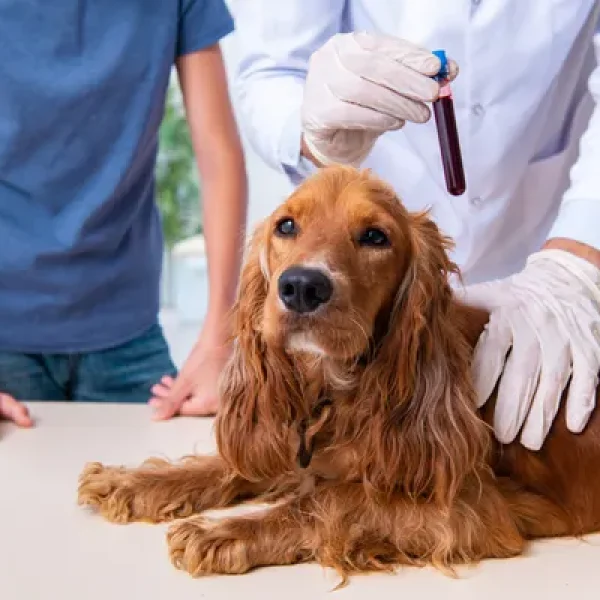
Testing and Monitoring in Addison's Disease
Addison’s disease, or hypoadrenocorticism, results from decreased corticosteroid and mineralocorticoid production from the adrenal glands. This results in non-specific signs of illness that mimic many other diseases. This article outlines screening and diagnostic tests for Addison’s disease.
Skin Biopsy in Dogs
A biopsy is one of the more common diagnostic procedures performed in dogs. Biopsies provide valuable insight into the type of cells in an abnormal area of skin or a skin growth and whether the growth poses a more serious health threat to your pet. Either the entire mass or a small representative section of skin is removed and submitted to a veterinary pathologist, who will perform a histopathology analysis. The pathologist will attempt to determine the nature of the lesion, identify the type of cells and their relationship to each other, as well as any evidence of malignancy.
Serum Protein Electrophoresis
Serum contains many proteins that perform diverse functions, which include providing cellular nutrition, defending against infections, playing a role in inflammation, and acting as hormones or enzymes. Protein electrophoresis is a specialized test that analyzes specific groups of proteins in the blood serum and measures how much of each group of protein is present. The results of the analysis help diagnose specific diseases, such as infection and some types of cancer.
Serum Iron Testing
Serum iron tests are indicated when the results from a complete blood count (CBC) indicate that your pet is anemic (meaning they have decreased red blood cell numbers and/or decreased hemoglobin) and that the red blood cells are microcytic (smaller than usual) and hypochromic (contain less hemoglobin than usual). Tests to assess iron deficiency require a single blood sample that is sent to a veterinary referral laboratory.

FILTER BY SPECIES

FILTER BY TOPIC

Book Now