Christmas Offer - Get 50% off your first Office Visit!

North Park Veterinary Hospital — From Nov 1st, we’re extending our working hours! Mon–Fri: 9 AM–8 PM | Sat & Sun: 9 AM–5 PM.   |   Emergencies are welcome.

Pet Health Library

Our Amazing Gallery

English + Dogs + Breed Characteristics

Testing for Kidney Disease
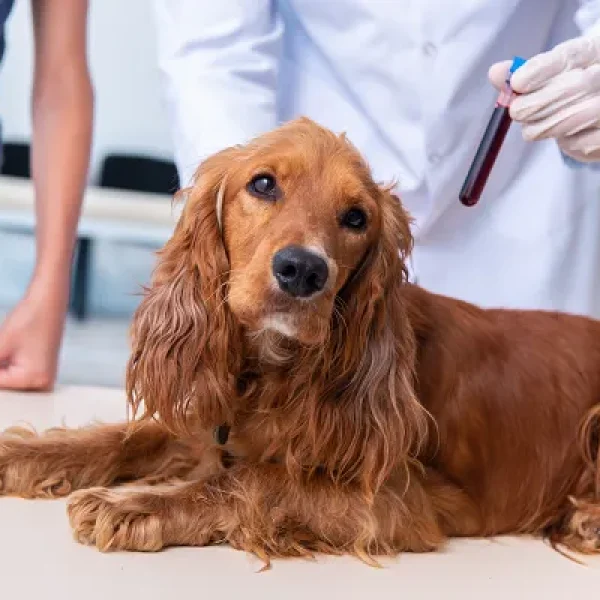
Tests to diagnose kidney disease include complete blood count (CBC), serum biochemistry, and urinalysis. Further diagnostic tests may be recommended based on the results of these initial screening tests. The additional tests help to identify the cause and severity of kidney disease, which will help determine the best treatment plan for your pet.
Testing for Jaundice
Jaundice is caused by the build-up of bilirubin in the tissues due to high blood levels of bilirubin (hyperbilirubinemia) in the blood. Hyperbilirubinemia occurs either due to increased red blood cell destruction (hemolysis), or an inability of the liver to process or excrete bilirubin normally. CBC, biochemistry panel, and urinalysis are tests used to further define the cause of jaundice. Further diagnostics that may be needed and include ultrasound, X-ray, FNA, liver biopsy and/or bacterial culture from fluid found in or around the liver. More specific tests for infectious diseases include FeLV, feline coronavirus, and fungal testing.
Testing for Increased Thirst and Urination
Various conditions can cause increased thirst (polydipsia) and urination (polyuria). Based on your pet’s history and a thorough physical examination, your veterinarian will recommend diagnostic testing to determine the cause. This handout describes several tests that can be performed along with the conditions the results from these tests may indicate.
Testing for Increased Appetite
An increased appetite can be normal in pets that have higher than normal energy requirements, as growing puppies and kittens, pets that exercise strenuously, such as hunting dogs, and pregnant or nursing females. Many diseases can cause an increased appetite, including hyperthyroidism in cats, Cushing’s disease, intestinal disease, diabetes or insulinoma, intestinal parasitism, and cancer. Increased appetite can also be caused by certain medications, such as corticosteroids. Diagnosis generally requires a thorough history, physical exam, complete blood count (CBC), biochemistry panel, thyroxine (in cats), and urinalysis. Additional diagnostic testing may be required.
Testing for Inappropriate Urination (Urinating in the House)
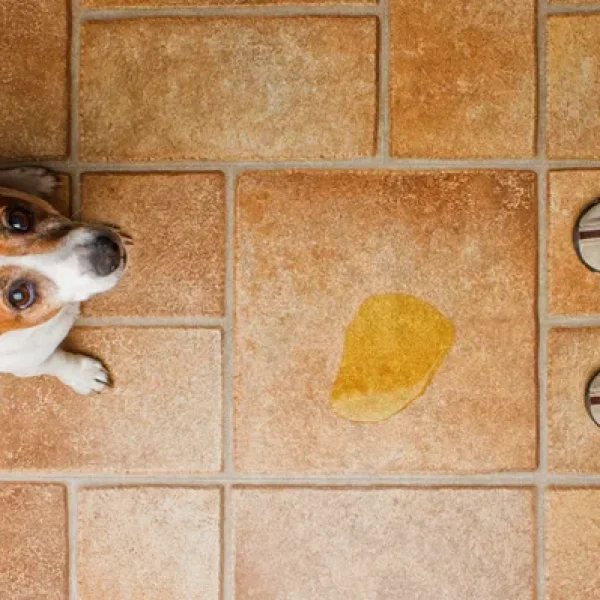
Inappropriate urination happens in well-trained pets for many reasons, including inflammation, infection, estrogen deficiency, kidney failure, diabetes mellitus, diabetes insipidus, Cushing’s disease, neurological disease, or behavioral issues. A number of screening tests will be performed by your veterinarian to determine the root cause of the inappropriate urination. These tests are outlined in this article.

FILTER BY SPECIES

FILTER BY TOPIC

Book Now